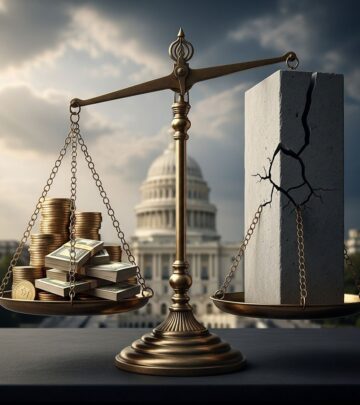
Restoring Financial Stability After Experiencing Financial Abuse
A comprehensive guide to reclaiming control of your finances and rebuilding your financial future

Financial abuse represents a significant barrier to independence and stability for millions of people. When someone uses money, credit, or financial resources to control or harm another person, the resulting financial damage extends far beyond numbers on a statement—it undermines confidence, creates barriers to escape, and leaves lasting scars on a person’s ability to manage their own affairs. The journey to financial recovery requires deliberate action, strategic planning, and access to appropriate resources and support systems.
Understanding the Impact of Financial Control
Financial abuse occurs across all demographics and socioeconomic backgrounds, manifesting in various forms. One person may prevent their partner from working, while another might run up significant debt in someone’s name without permission. Some abusers control all household spending decisions, leaving their partners unable to purchase necessities or access their own income. Others exploit credit lines, take out loans fraudulently, or hide assets to prevent fair division of marital property.
The psychological impact of financial abuse is profound. Survivors often experience deep shame, confusion about their financial situation, and overwhelming uncertainty about their ability to manage money independently. This emotional dimension makes the financial recovery process about far more than simply fixing credit scores or paying down debt—it involves rebuilding fundamental trust in oneself.
Immediate Steps to Protect Your Financial Identity
Securing Digital Access Points
The first critical action involves preventing any further unauthorized access to your accounts. This means changing passwords on every financial account, email address, and social media platform associated with your finances. Your new passwords should be complex, avoiding dates of birth, anniversaries, or other information someone close to you might guess easily.
Enable two-factor authentication on all accounts whenever the financial institution offers this option. Two-factor authentication requires a second form of verification—typically a code sent to your phone or generated by an authentication app—before anyone can access your account, even if they somehow obtain your password. This creates a significant additional barrier against unauthorized access.
If you use the same password across multiple accounts, now is the time to create unique passwords for each one. A password manager can simplify this process by securely storing your login credentials so you don’t need to remember dozens of complex passwords.
Removing Unauthorized Access to Credit Accounts
Contact each credit card issuer, bank, and financial institution to identify any authorized users on your accounts. If your abuser has authorized user status on any of your credit accounts, request their immediate removal. Be specific with the institution about what you’re asking for—you want them removed as an authorized user, not simply as a cardholder, as the latter may still allow them to use the account.
Similarly, if you’re listed as an authorized user on any accounts belonging to your abuser, you may want to request removal. Authorized user status means you could be held liable for charges on that account, and it also means activity on that account will appear on your credit report. A financial counselor or attorney can help you determine what’s appropriate for your specific situation.
Protecting Sensitive Identifying Information
Keep your Social Security number, Medicare number, and other identifying information secure. Store documents containing this information in a safe location away from your former abuser. These numbers are valuable to anyone looking to commit identity theft or open fraudulent accounts.
Monitoring and Detecting Ongoing Fraud
Setting Up Account Alerts
Most financial institutions allow you to set up alerts that notify you of specific account activities. These might include notifications when your account balance drops below a certain amount, when a purchase exceeds a threshold you specify, when login attempts occur from new devices, or when withdrawals are made. These alerts provide early warning if someone attempts unauthorized access to your accounts.
Configure alerts for any activity that concerns you. Some survivors prefer to be notified of every transaction, while others set thresholds for larger amounts. Your financial institution’s online portal or mobile app usually provides options to customize these notifications.
Regular Account Reviews
Schedule regular reviews of all your accounts—checking and savings accounts, credit cards, investment accounts, and retirement accounts. Look carefully through transaction history for any purchases or transfers you don’t recognize. Pay particular attention to small charges that might be test transactions made by someone attempting to steal your information.
This monitoring serves two purposes: it helps you catch unauthorized activity quickly, and it helps you understand your actual financial situation. Many survivors discover accounts or debts they didn’t know existed during this review process.
Rebuilding Your Credit Foundation
Understanding Credit Score Components
Your credit score reflects your history of borrowing and repaying money. Lenders use credit scores to determine whether to extend you credit and at what interest rates. After financial abuse, your credit may have suffered from missed payments, high debt levels, or accounts opened fraudulently in your name.
Credit scores are built from several components, with payment history being the most important. Making on-time payments on all your obligations—whether credit cards, loans, or utility bills—gradually rebuilds your creditworthiness. The second major component is your credit utilization rate, which represents how much of your available credit you’re currently using. Experts recommend keeping this below thirty percent. Length of credit history also matters; older accounts in good standing help your score more than newer accounts.
Creating a Payment Strategy
If you have multiple debts, prioritize making at least the minimum payment on everything to avoid further damage to your credit. However, you’ll also want to develop a strategy for paying down balances beyond the minimums. Two popular approaches include the debt snowball method, where you pay off your smallest debts first for psychological wins, and the debt avalanche method, where you focus on paying off debts with the highest interest rates first to minimize total interest paid.
Set up automatic payments whenever possible. Automatic payments ensure you never miss a due date, which is crucial for rebuilding credit. They also remove the emotional energy of remembering payment deadlines when you’re already dealing with significant stress.
Establishing Financial Independence and Security
Opening Your Own Banking Relationship
If you don’t already have a bank account solely in your name, open one immediately. This account represents your foundation for financial independence. Choose a bank or credit union based on factors including convenience, fees, services offered, and whether they provide financial counseling or budgeting tools.
Larger national banks offer extensive branch networks and online services, while smaller local banks and credit unions often provide more personalized service. Ask friends and family for recommendations, and research fee structures carefully. Some accounts charge maintenance fees, overdraft fees, or per-transaction fees that can add up quickly.
Building an Emergency Fund
Begin directing a portion of your income into savings, starting with whatever amount you can manage. Financial experts recommend saving twenty percent of your income, but starting with even five or ten percent is valuable. An emergency fund prevents unexpected expenses from forcing you back into debt.
Work toward accumulating three to six months’ worth of essential living expenses in accessible savings. This might include rent or mortgage, utilities, food, transportation, and insurance. Having this cushion provides genuine security and peace of mind. Once you’ve achieved this level of emergency savings, you can direct additional funds toward other goals.
Implementing a Budget Framework
A budget helps you understand where your money goes and make intentional decisions about spending. The 80/20 method offers a simple approach: allocate twenty percent of your income to savings and spend the remaining eighty percent on living expenses. This simplicity makes it manageable during a stressful recovery period.
Alternatively, the 50/30/20 approach allocates fifty percent toward needs (housing, food, utilities), thirty percent toward wants (entertainment, dining out), and twenty percent toward savings and debt repayment. Choose a framework that matches your circumstances and adjust percentages as your situation improves.
Addressing Existing Debt
Assessing Your Debt Situation
Many survivors of financial abuse carry debt they didn’t create—credit cards opened in their name, loans co-signed without their knowledge, or bills left unpaid by the abuser. Obtain your credit report and review it carefully to understand exactly what debts exist and in whose name.
Contact creditors to understand whether certain debts resulted from fraud. Some credit card companies have processes for disputing fraudulent charges or accounts. While this process takes time, it can result in removal of unauthorized debt from your credit report.
Creating a Debt Payoff Plan
Once you understand your total debt, create a realistic plan for addressing it. If you have limited resources, focus first on preventing further damage—making at least minimum payments on everything and removing the abuser’s access to new credit. As your financial situation stabilizes, you can become more aggressive about debt repayment.
Some debts may be handled through legal proceedings related to your separation or divorce. An attorney can advise you on whether certain debts might be assigned to your former abuser rather than remaining your responsibility.
Finding Support and Professional Guidance
Accessing Credit Counseling Services
Nonprofit credit counseling agencies offer free or low-cost services to help you understand your financial situation and develop a recovery plan. The National Foundation for Credit Counseling provides access to counselors who can review your budget, explain your credit report, help you develop debt repayment strategies, and provide ongoing support and accountability.
These counselors aren’t there to judge you—they understand financial abuse and its impacts. They can help you think through difficult decisions, such as whether to keep or close certain accounts or how to approach your former abuser’s family about shared debts.
Consulting Legal and Financial Professionals
Depending on your situation, you may benefit from consultation with a family law attorney who can explain your legal rights and options. An attorney can advise you on debt responsibility following separation or divorce, help you protect assets, and represent you if legal action is necessary to address fraudulent accounts or identity theft.
Some domestic violence organizations provide access to free or low-cost legal consultations for survivors. Take advantage of these resources to understand your rights before making major financial decisions.
Leveraging Community and Government Resources
Many communities offer resources specifically designed to help survivors of abuse regain stability. These might include job training programs, temporary housing assistance, childcare support, or food assistance. The National Coalition Against Domestic Violence and the National Domestic Violence Hotline maintain directories of local organizations and can connect you with available resources.
Government assistance programs, such as Temporary Assistance for Needy Families, Supplemental Nutrition Assistance Program, and housing assistance, can help cover basic needs while you rebuild financially. These programs free up your income to address debt and build savings rather than struggling to meet immediate needs.
Maintaining Progress and Building Long-Term Stability
Celebrating Milestones
Financial recovery from abuse is a marathon, not a sprint. Acknowledge and celebrate each step forward—your first on-time payment, reaching your first thousand dollars in savings, or receiving a credit score improvement. These milestones represent real progress and deserve recognition.
Recovery often involves emotional ups and downs alongside financial progress. Some days the task of rebuilding will feel overwhelming, while other days you’ll recognize how far you’ve come. Recognizing progress helps sustain motivation through the difficult phases of recovery.
Building Your Support Network
Surround yourself with people you trust—friends, family members, counselors, or support group members who understand what you’re experiencing. Financial recovery is easier with people who believe in you and encourage your progress. Support groups, whether in-person or online, connect you with others who have faced similar challenges and understand the unique struggles of financial recovery after abuse.
Maintaining Financial Vigilance
Even as your situation improves and credit rebuilds, continue monitoring your accounts and credit report regularly. This vigilance protects against identity theft and helps you catch any problems quickly. Consider subscribing to credit monitoring services that alert you to changes in your credit report.
Financial independence and security represent ongoing commitments. Continue educating yourself about personal finance, budgeting, and credit management. This knowledge protects you from future financial manipulation and helps you make sound decisions about your money.
Key Takeaways for Your Recovery Journey
- Immediately secure all accounts by changing passwords and enabling two-factor authentication
- Remove your abuser’s authorized user status from all credit accounts
- Set up account alerts to detect unauthorized activity quickly
- Review credit reports regularly and dispute fraudulent accounts or charges
- Prioritize on-time payments to rebuild your credit foundation
- Open a bank account solely in your name and begin building an emergency fund
- Implement a simple budget framework that works for your circumstances
- Seek professional guidance from credit counselors, attorneys, and support organizations
- Access community and government resources designed to help abuse survivors
- Celebrate progress and maintain a support network throughout your recovery
Frequently Asked Questions
How long does it take to rebuild credit after financial abuse?
Credit recovery timelines vary based on the extent of damage. Negative items can remain on your credit report for seven to ten years, but your score typically improves within months of establishing positive payment history. Consistent on-time payments, reduced debt balances, and the passage of time all contribute to score improvement. Many survivors see meaningful improvements within one to two years of focused effort.
Can I remove fraudulent accounts from my credit report?
Yes. You can dispute fraudulent accounts and unauthorized charges with the credit reporting agencies and creditors. File a police report for identity theft if applicable, as this can support your dispute. The Fair Credit Reporting Act gives you the right to dispute inaccurate information on your credit report. The credit bureau must investigate and remove inaccurate information if they cannot verify it.
What should I do if my abuser is on the title of my house or car?
This situation requires legal guidance. An attorney can advise you on options including refinancing solely in your name, seeking a transfer of ownership through divorce proceedings, or other solutions depending on your state’s laws and your financial situation. Do not ignore this issue, as it could affect your credit and financial security.
Are there specific bank accounts designed for domestic violence survivors?
While banks don’t offer accounts specifically labeled for abuse survivors, you can open a standard account and take additional security measures. Consider using a bank branch where your abuser is unlikely to encounter you, set up online banking only, use a mail address other than your home if safety is a concern, and inform the bank of your situation so they understand why you’re taking special security measures.
What if I can’t afford to pay my debts while rebuilding?
Contact your creditors and explain your situation. Many offer hardship programs, lower interest rates, or modified payment plans for people experiencing financial difficulty. Credit counselors can negotiate with creditors on your behalf. Government assistance programs can help cover basic needs, freeing your income for debt repayment. Some debts may be addressed through legal proceedings or forgiven through bankruptcy if your situation is severe, though bankruptcy should be a last resort.
References
- How to Rebuild Your Finances After Financial Abuse — Experian. 2024. https://www.experian.com/blogs/ask-experian/how-to-rebuild-finances-after-financial-abuse/
- Rebuilding Your Finances After Financial Abuse — Bankrate. 2024. https://www.bankrate.com/personal-finance/credit/rebuild-finances-after-financial-abuse/
- Financial Abuse Recovery — Savvy Ladies. https://www.savvyladies.org/financial-roadmap/financial-abuse-recovery/
- Financial Abuse Toolkit — National Network to End Domestic Violence (NNEDV). https://nnedv.org/resources-library/financial-abuse-toolkit/
- Financial Abuse: Getting Your Money Back and Other Help — Women’s Law. https://www.womenslaw.org/about-abuse/forms-abuse/financial-abuse/getting-your-money-back-and-other-help
- I Need Help – Surviving Economic Abuse — Surviving Economic Abuse. https://survivingeconomicabuse.org/i-need-help/
Similar Articles







Read full bio of Sneha Tete