Restoring Your Federal Student Aid Eligibility
Learn how to regain access to federal financial aid after losing eligibility.

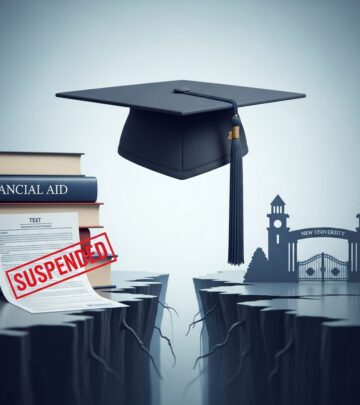
Losing eligibility for federal student aid can feel like a significant setback, especially when you depend on these funds to pursue your education. However, the loss of eligibility is not necessarily permanent. Understanding why you became ineligible and knowing the specific actions required to restore your access to federal aid programs can help you get back on track. This guide walks through the common reasons eligibility is suspended, the concrete steps you can take to reestablish your standing, and strategies for maintaining your eligibility once restored.
Common Reasons for Losing Student Aid Eligibility
Federal student aid eligibility can be suspended or revoked for several distinct reasons. Each situation requires different remedial actions, so it is important to identify which circumstance applies to your case.
Student Loan Default
One of the most significant triggers for losing eligibility is defaulting on a federal student loan. When you fail to make payments as required by your loan agreement, you enter default status, which immediately disqualifies you from receiving new federal aid. Default is a serious status that can also negatively affect your credit report and lead to wage garnishment or tax refund interception.
Outstanding Refund Obligations
If you have received an overpayment of federal student aid in the past—whether through a grant or loan—and have not repaid it, you will lose eligibility for future aid. This can occur if you were awarded funds you did not ultimately need, withdrew from a program after receiving aid, or were determined to have been overpaid for any reason.
Fraudulent Aid Receipt
Federal law requires that anyone who fraudulently received federal student aid funds must repay all fraudulent amounts before regaining eligibility. Fraud can include misreporting income, failing to disclose citizenship status, or providing false information on the FAFSA.
Unsatisfactory Academic Progress
Federal regulations require students to maintain satisfactory academic progress (SAP) at their institution. If you fall below your school’s minimum requirements—whether measured by grade point average, completion of required credits, or other metrics—you may lose aid eligibility until you meet the standards again.
Failure to Complete Verification Requirements
When the federal government or your school selects your FAFSA for verification, you are required to submit supporting documents confirming the accuracy of the information you provided. Failing to complete this process within the specified timeframe can result in loss of eligibility.
Ineligible Enrollment Status
Federal aid is available only to students enrolled in eligible degree or certificate programs at schools participating in federal aid programs. If you change your enrollment to an ineligible program or enroll at a non-participating institution, your aid eligibility may be affected.
Steps to Restore Your Aid Eligibility
Once you understand why your eligibility was suspended, you can take targeted steps to remedy the situation. The specific process varies depending on your circumstances.
Resolve Federal Loan Default
If default is your barrier to eligibility, you have several pathways to resolve this status:
- Loan Rehabilitation: This program allows borrowers to make nine consecutive on-time monthly payments under an income-driven repayment plan. After successful completion, your loan exits default status and you regain eligibility for federal aid.
- Full Loan Repayment: Paying the entire outstanding balance of your defaulted loan immediately restores your eligibility.
- Consolidation: You may consolidate your defaulted loan into a Direct Consolidation Loan, which allows you to exit default and re-establish eligibility, though you will then owe the consolidated amount.
Repay Overpayment Obligations
Contact your school’s financial aid office to determine the exact amount you owe as an overpayment. You can then negotiate a repayment plan with the school, which may allow you to restore eligibility while paying back the funds gradually rather than as a lump sum. Once the full amount is repaid, your eligibility is restored.
Address Fraudulent Aid Issues
If you fraudulently received aid, you must repay the full fraudulent amount before regaining eligibility. This is a legal requirement. If the amount is substantial, you may be able to arrange a payment plan with your school or the Department of Education.
Improve Your Academic Progress
Work with your school’s academic advising office to understand the specific requirements for satisfactory academic progress. You may be able to:
- Retake courses in which you earned low grades
- Increase your course load to demonstrate commitment to progress
- Utilize tutoring or academic support services provided by your institution
- Appeal your SAP dismissal if there were extenuating circumstances (illness, family crisis, etc.)
Once you meet the minimum standards, you can petition to have your eligibility reinstated.
Complete Verification Requirements
If you were selected for FAFSA verification, gather the required documents—typically tax returns, W-2 forms, proof of citizenship, and other financial records—and submit them to your school’s financial aid office promptly. Processing usually takes a few weeks, after which your eligibility can be restored.
Transfer to an Eligible Program
If your current enrollment is ineligible, speak with your academic advisor about transitioning to an eligible degree or certificate program at a participating institution. Once enrolled in an eligible program, your eligibility for federal aid can be reinstated, subject to other requirements.
Understanding FAFSA and Current Eligibility Requirements
To maintain and protect your eligibility going forward, it is essential to understand the baseline requirements for federal student aid. These include:
- Completion of the Free Application for Federal Student Aid (FAFSA) and agreement to use funds for educational purposes
- U.S. citizenship or eligible noncitizen status with a valid Social Security number
- Enrollment as a regular student in an eligible degree or certificate program at a participating institution
- Possession of a high school diploma, GED, or completion of an approved home school curriculum
- Maintenance of satisfactory academic progress
- No default on federal loans and no outstanding refund obligations
- Consent to have federal tax information transferred to the FAFSA
Recent changes to federal student aid regulations, including those from the One Big Beautiful Bill Act effective July 1, 2026, have introduced new loan limits and eligibility calculations. Parents may now borrow a maximum of $20,000 per year per dependent student, with a $65,000 aggregate lifetime limit per student. Students should verify how these changes may affect their eligibility and borrowing capacity.
Key Differences in New 2026 Eligibility Rules
As of July 1, 2026, several significant changes affect student aid eligibility:
| Change | Details | Impact |
|---|---|---|
| Lifetime Loan Limits | $257,500 aggregate limit across all federal loans (excluding Parent PLUS amounts) | Students approaching this limit may have restricted borrowing capacity |
| Parent PLUS Limits | $20,000 annual maximum; $65,000 lifetime per student | Parents face new restrictions on supplemental borrowing |
| Loan Proration | Part-time students have loans reduced proportionally to enrollment | Part-time students receive less aid than full-time peers |
| Pell Grant Changes | Foreign income included in calculations; full-ride scholarships affect eligibility; high-SAI students excluded | Some previously eligible students may no longer qualify |
Maintaining Eligibility After Restoration
Once you have successfully restored your aid eligibility, protecting it requires ongoing attention to compliance. Maintain satisfactory academic progress by understanding your school’s specific SAP policy and staying in contact with your academic advisor. Make all federal loan payments on time—set up automatic payments if possible to avoid default. Keep your FAFSA information current by updating it annually, and respond promptly to any verification or document requests from your school or the Department of Education. If you receive overpayments or grants you do not use, report them immediately rather than hoping no one notices.
Seeking Professional Guidance
The federal student aid system is complex, and specific circumstances can affect eligibility in ways not covered by general guidance. Your school’s financial aid office is your primary resource for understanding your unique situation and identifying solutions. Many schools also employ financial aid advisors who can help you navigate restoration processes. Additionally, if you are struggling with loan repayment, federal loan servicers offer several income-driven repayment plans that can make payments manageable while you work toward rehabilitation or consolidation.
Frequently Asked Questions
- How long does it take to restore eligibility after loan rehabilitation?
- Once you complete nine consecutive on-time monthly payments, your default status is removed and eligibility is restored immediately, though the loan remains on your credit report for documentation purposes.
- Can I receive aid while working to restore my eligibility?
- In most cases, no. Loss of eligibility prevents all federal aid disbursement. However, once you begin addressing the underlying issue—such as making rehabilitation payments or submitting verification documents—you should contact your aid office to confirm your status.
- What if I cannot afford to repay my overpayment in full?
- Most schools are willing to negotiate a repayment plan. Contact your financial aid office and explain your circumstances. Some schools may allow you to resume aid receipt while paying back the overpayment in installments.
- Does my eligibility restoration affect my financial aid package?
- Once eligibility is restored, your financial aid package will be recalculated based on the FAFSA and your school’s policies. The package may differ from what you previously received.
- Are private loans available if my federal aid eligibility is suspended?
- Yes. While federal aid is unavailable during ineligibility, private student loans from banks and credit unions remain an option, though they typically carry higher interest rates and fewer borrower protections than federal loans.
References
- Financial Aid Eligibility and FAFSA Requirements — Edvisors. Retrieved February 6, 2026. https://www.edvisors.com/student-loans/fafsa/financial-aid-eligibility-and-fafsa-requirements/
- FAFSA & Financial Aid Eligibility Changes — Temple University Office of Student Financial Services. Retrieved February 6, 2026. https://sfs.temple.edu/apply/2026-27-fafsa/fafsa-financial-aid-eligibility-changes
- Basic Eligibility Requirements for Federal Student Aid — U.S. Department of Education, Federal Student Aid. Retrieved February 6, 2026. https://studentaid.gov/understand-aid/eligibility/requirements
Similar Articles








Read full bio of medha deb