Resignation Letter Due to Pregnancy: Example and Guide
Learn how to write a professional resignation letter due to pregnancy with our comprehensive guide and templates.

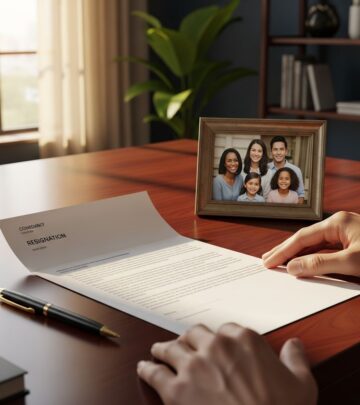
When you decide to leave your job due to pregnancy, submitting a professional resignation letter is an important step in maintaining positive relationships with your employer and colleagues. Whether you’re planning to take an extended maternity leave or leave the workforce entirely, a well-crafted resignation letter communicates your intentions clearly and professionally while expressing gratitude for your time with the company.
A resignation letter due to pregnancy serves multiple purposes: it provides formal notice to your employer, documents your departure for company records, and allows you to leave on good terms. This guide will walk you through the essential elements of writing a resignation letter, provide templates and examples, and offer practical tips to ensure your transition is smooth and professional.
Why a Formal Resignation Letter Matters
Submitting a formal resignation letter is crucial when leaving your job due to pregnancy. This written document creates an official record of your departure and ensures there is no confusion about your last day of work or your intentions. A professional resignation letter demonstrates respect for your employer and helps maintain relationships that may be valuable throughout your career.
Beyond the formal requirements, a well-written resignation letter allows you to control the narrative surrounding your departure. It gives you an opportunity to express appreciation for opportunities you’ve received, highlight your professional growth, and offer assistance during the transition period. This positive tone can make a significant difference in how you’re remembered by your employer and colleagues, potentially affecting future references and professional relationships.
Key Elements to Include in Your Resignation Letter
A comprehensive resignation letter due to pregnancy should include several essential components:
Clear Statement of Resignation
Begin your letter with a direct statement that you are resigning from your position. Specify your job title and the company name to ensure there is no ambiguity about your employment and resignation.
Effective Date
Clearly state the date your resignation becomes effective. Typically, this should provide your employer with at least two weeks’ notice, though you may offer more time if your circumstances allow. Your employment contract may specify a required notice period that you should follow.
Expression of Gratitude
Thank your employer and colleagues for the opportunities you’ve had during your employment. Highlight specific positive experiences, professional development, or projects that were meaningful to you. This demonstrates professionalism and leaves a positive impression.
Brief Explanation
You may choose to mention that your resignation is due to pregnancy and your decision to focus on family responsibilities. Keep this explanation brief and professional—you are not obligated to provide extensive personal details.
Offer of Transition Assistance
Demonstrate your commitment to a smooth transition by offering to help train your replacement, document your responsibilities, or assist in any other way during your remaining time. This goodwill gesture shows professionalism and consideration for your employer.
Contact Information
Provide your personal contact information so your employer can reach you if they have questions or need clarification during the transition period.
Sample Resignation Letter Template
Here is a professional template you can customize for your situation:
[Your Name]
[Your Address]
[City, State ZIP Code]
[Date]
[Supervisor’s Name]
[Title]
[Company Name]
[Company Address]
[City, State ZIP Code]
Dear [Supervisor’s Name],
I am writing to formally notify you of my resignation from my position as [Your Job Title] at [Company Name], effective [Date – typically two weeks from submission date].
I have made the decision to resign due to my pregnancy and the desire to focus on my family during this important time in my life. After careful consideration, I have determined that this is the best decision for me and my family’s well-being.
I want to express my sincere gratitude for the opportunities I have had during my employment at [Company Name]. The professional growth, valuable experience, and support I have received from you and my colleagues have been instrumental in my career development. I have truly appreciated working with such a dedicated team on meaningful projects.
During my remaining time with the company, I am committed to ensuring a smooth transition. I am happy to assist in training my replacement, documenting my current responsibilities and projects, and answering any questions that may arise during this transition period. Please let me know how I can be most helpful.
Thank you for your understanding and support. I wish [Company Name] continued success and growth in all future endeavors.
Sincerely,
[Your Signature]
[Your Typed Name]
[Your Phone Number]
[Your Email Address]
Customizing Your Resignation Letter
While the template above provides a solid foundation, personalizing your letter makes it more meaningful and authentic. Consider these customization options:
Length and Tone
Keep your resignation letter concise—typically one page is appropriate. Maintain a professional and respectful tone throughout, even if you had negative experiences at the company. Your letter should reflect positively on your professionalism.
Personal Details
You can adjust the level of personal information you share. Some people provide more detail about their pregnancy and family plans, while others keep the explanation minimal. Share what feels appropriate for your relationship with your employer.
Highlighting Achievements
Consider mentioning specific projects or accomplishments during your tenure. This reminds your employer of your contributions and leaves a lasting positive impression of your work.
Future Plans
If appropriate, you might mention your openness to returning to work in the future or maintaining professional relationships. This keeps doors open for potential rehiring or networking opportunities.
When to Resign: Timing Considerations
The timing of your resignation is an important strategic consideration. Early in your pregnancy allows your employer time to plan for your replacement and adjust workflows accordingly. However, the right time depends on your specific situation, company culture, and personal preferences.
Consider resigning when you’re past the first trimester, as this reduces the risk of complications and allows you to feel more confident about your pregnancy. Additionally, timing your resignation to align with natural project completion points can minimize disruption to your team.
Research your company’s maternity leave policies before resigning. Some companies offer paid maternity leave, and you may want to understand your options before making a final decision about returning to work.
Notice Period: How Much Time to Give
The standard professional courtesy is to provide at least two weeks’ notice, though your employment contract may specify a longer period. Consider these factors when determining your notice period:
- Employment Contract Requirements: Check your contract for any specific notice period obligations.
- Company Standards: Research what’s typical in your industry and company.
- Your Position: More senior or specialized roles may warrant longer notice periods.
- Pregnancy Timeline: Consider when you plan to begin maternity leave.
- Workload and Projects: Longer notice helps if you have significant ongoing responsibilities.
Delivery Methods and Best Practices
How you deliver your resignation letter is as important as the content itself. Follow these best practices:
In-Person Announcement First
If possible, schedule a private meeting with your supervisor to discuss your resignation before submitting the written letter. This shows respect and professionalism and gives your employer a heads-up before the formal announcement.
Submission Methods
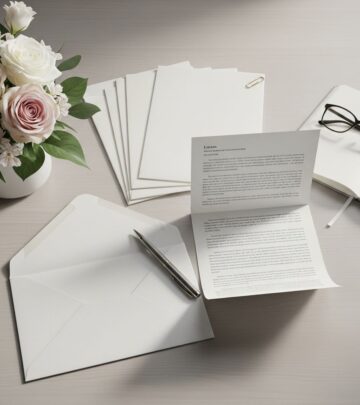
After your in-person conversation, submit your resignation letter in writing. You can deliver a printed copy to your supervisor, HR department, or both, depending on company policy. Keep a copy for your records.
Email Delivery
If in-person delivery isn’t possible, you can send your resignation via email. Send it to your supervisor and HR department, and request a read receipt to confirm delivery. Follow up with a printed copy if your company requires it.
Timing of Delivery
Submit your resignation letter at the beginning of a work week during business hours. Avoid submitting on a Friday or before a holiday, as it may not receive prompt attention.
What Not to Include in Your Resignation Letter
While it’s important to know what to include, it’s equally important to understand what to avoid in your resignation letter.
Don’t Express Anger or Frustration
Even if you’ve had negative experiences at the company, maintain professionalism in your resignation letter. Save complaints for conversations with trusted friends or mentors—never air grievances in a formal resignation document.
Don’t Over-Explain Your Personal Circumstances
While mentioning your pregnancy is appropriate context, avoid oversharing personal health information or family details. Keep explanations professional and brief.
Don’t Criticize the Company, Management, or Colleagues
Even constructive criticism has no place in a resignation letter. Focus on positive aspects of your experience and your gratitude for opportunities.
Don’t Make It Too Casual
Avoid using informal language, slang, or emojis. Maintain a professional tone throughout, even if you have a casual relationship with your supervisor.
Don’t Resign via Text or Informal Communication
Always use formal written communication for your resignation. Text messages, instant messaging, or casual conversations don’t constitute professional resignation.
Managing the Transition Period
After submitting your resignation letter, your focus should shift to ensuring a smooth transition for your employer and team.
Document Your Responsibilities
Create comprehensive documentation of your current projects, responsibilities, processes, and any relevant information your replacement will need. Include login credentials (securely), important contact information, and project status updates.
Train Your Replacement
If your company hires a replacement before your departure date, dedicate time to thorough training. Share your knowledge generously and be patient as they learn your role.
Maintain Professionalism
Continue performing your job duties to the best of your ability during your notice period. Avoid checking out mentally or reducing your work quality—this final impression matters for future references.
Handle Loose Ends
Complete important projects or transition them appropriately. Return company property, ensure your work is backed up, and clear out your desk or workspace in an organized manner.
Frequently Asked Questions (FAQs)
Q: Should I disclose my pregnancy in my resignation letter?
A: Yes, mentioning your pregnancy as the reason for resignation is appropriate and provides helpful context. However, you don’t need to provide extensive medical details—a brief, professional mention is sufficient. Example: “I am resigning to focus on my pregnancy and upcoming motherhood.”
Q: Can I resign while on maternity leave?
A: Yes, you can resign while on maternity leave. Submit your resignation letter according to your employment contract’s requirements. Some companies have specific procedures for resignations while on leave, so check with your HR department for guidance.
Q: What if I’m unsure about returning after maternity leave?
A: If you’re uncertain about returning, you don’t necessarily need to resign immediately. Many companies allow you to take maternity leave and then decide about returning. Communicate with HR about your options and timeline for making a decision.
Q: How do I know if I should resign or take maternity leave?
A: Research your company’s maternity leave policy, your financial situation, and your personal preferences regarding childcare. Some women return to work after maternity leave, while others choose not to return. Make the decision that’s right for your family situation.
Q: Should I resign before or after announcing my pregnancy?
A: The timing depends on your company culture and personal comfort level. Some people announce their pregnancy first and then decide about resignation, while others resign immediately. There’s no single right answer—choose what feels appropriate for your situation.
Q: Can my employer retaliate against me for resigning due to pregnancy?
A: No, pregnancy discrimination is illegal under employment law in most jurisdictions. Employers cannot take adverse action against you based on pregnancy. If you experience retaliation, consult with an employment attorney about your options.
Q: Should I offer to work remotely instead of resigning?
A: If remote work is an option at your company, you could explore this possibility before resigning. Many employers are flexible about remote work arrangements. Discuss this with your supervisor if you’re interested in this alternative.
References
- The U.S. Equal Employment Opportunity Commission (EEOC) — Pregnancy Discrimination — U.S. Equal Employment Opportunity Commission. Accessed November 2025. https://www.eeoc.gov/pregnancy-discrimination
- U.S. Department of Labor — Family and Medical Leave Act (FMLA) — U.S. Department of Labor, Wage and Hour Division. Updated 2025. https://www.dol.gov/agencies/whd/fmla
- Best Practices in Resignation Letter Writing — Society for Human Resource Management (SHRM). 2024. https://www.shrm.org
- Professional Communication Standards in the Workplace — International Association of Business Communicators (IABC). 2024. https://www.iabc.com
- Maternity Leave and Employment Rights — Centers for Disease Control and Prevention (CDC), Workplace Health. 2024. https://www.cdc.gov/niosh/topics/repro/maternal.html
Similar Articles








Read full bio of medha deb