Resignation Letter After Maternity Leave: Examples & Guide
Learn how to write a professional resignation letter after maternity leave with templates and real examples.

How to Write a Resignation Letter After Maternity Leave
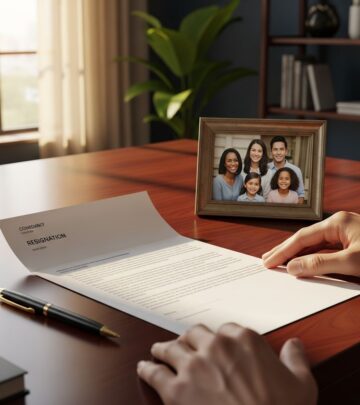
Deciding to resign after maternity leave is a significant career decision that many working parents face. Whether you’re choosing to become a stay-at-home parent, pursuing a new opportunity that better aligns with your family’s needs, or simply reassessing your professional priorities, crafting an appropriate resignation letter is essential. Your approach to this resignation matters considerably, as you may need to reference your former employer in the future or maintain a professional relationship for networking purposes.
The process of resigning after maternity leave requires tact, professionalism, and clear communication. While the decision itself may be emotionally charged, your resignation letter should remain formal and positive, reflecting the professional relationship you’ve built with your employer.
Key Elements of a Strong Resignation Letter
A well-crafted resignation letter after maternity leave should include several critical components that communicate your intentions clearly while maintaining goodwill. These elements ensure your departure is handled professionally and leaves the door open for future opportunities.
The foundation of any resignation letter begins with your clear intention to resign from your position. State this purpose directly in your opening sentence, specifying your exact last day of employment. This removes any ambiguity about your plans and gives your employer concrete information for planning purposes.
Express genuine gratitude for the opportunities you’ve had during your tenure. Acknowledge the professional development you’ve gained, the skills you’ve learned, and the support your employer and colleagues have provided. This positive framing helps maintain relationships and ensures you’re remembered favorably.
Include a brief explanation for your resignation without over-explaining or providing excessive personal details. A simple statement about your decision to focus on family, pursue other opportunities, or restructure your work-life balance is sufficient. You don’t need to justify your personal choices extensively.
Offer your willingness to assist with the transition process. However, be realistic about what you can commit to. This might include training your replacement, documenting your current projects, or answering questions during a transition period. Your offer should reflect your actual availability and capacity.
Conclude with professional well-wishes for your employer and team’s continued success, and provide contact information if you’re open to maintaining professional connections.
Timing and Notice Considerations
The question of how much notice to provide requires careful consideration of your specific situation. While two weeks’ notice is the standard professional courtesy in most industries, the decision ultimately depends on your unique circumstances and the relationship you maintain with your employer.
Providing two weeks’ notice gives your employer reasonable time to begin recruiting a replacement and allows you to assist with the transition. This timeline also demonstrates professionalism and consideration for your team’s continuity. However, if your situation requires immediate resignation—such as unexpected childcare challenges or urgent family circumstances—you may need to provide less notice while explaining your situation respectfully.
The amount of notice you provide can significantly impact future references and your professional reputation. As legal experts note, giving as much notice as possible positions you better for the future, particularly if you’ll need references from your employer for subsequent job applications. Your decision should weigh your immediate needs against your long-term career objectives and the relationship you hope to maintain with your employer.
Sample Resignation Letters
Example 1: Two Weeks’ Notice During Maternity Leave
Subject: Resignation Notice – Two Weeks – [Your Name]
Dear [Supervisor Name],
I am writing to formally notify you of my resignation from my position as [Your Job Title] at [Company Name], effective two weeks from today, [Date]. After careful consideration of my personal and family priorities, I have decided not to return to full-time work at this time.
I am grateful for the opportunities I have had during my tenure here. The professional growth, supportive team environment, and valuable experience I’ve gained have been instrumental in my career development. I appreciate the flexibility and understanding my colleagues have shown, particularly during my maternity leave.
During my remaining two weeks, I am committed to ensuring a smooth transition of my responsibilities. I am happy to assist in training my replacement, documenting my current projects, and answering any questions that arise during this transition period.
Thank you for the opportunity to be part of [Company Name]. I wish you and the team continued success, and I hope we can maintain our professional relationship in the future.
Sincerely,
[Your Name]
Example 2: Immediate Resignation Due to Childcare Needs
Subject: Resignation – [Your Name]
Dear [Supervisor Name],
I am writing to inform you of my resignation from my position as [Your Job Title] at [Company Name], effective immediately, [Date]. After returning from maternity leave and reflecting on my family’s needs, I have determined that my priority must be caring for my child at this time.
This decision was not made lightly, and I apologize for the short notice. However, my family circumstances require me to step away from work immediately to provide the care my child needs.
I recognize this timing may create challenges for the team, and I sincerely apologize for any disruption my departure may cause. If possible, I am available to brief a colleague on my current projects or provide written documentation of my work.
I am deeply grateful for my time at [Company Name] and the professional development I experienced here. Thank you for your understanding and support.
Sincerely,
[Your Name]
Professional Resignation Letter Template
Use this adaptable template to create your own resignation letter tailored to your specific circumstances:
Subject: Resignation Letter – [Your Full Name]
Dear [Supervisor Name or HR Manager],
I am writing to formally notify you of my resignation from my position as [Your Job Title] with [Company Name]. My last day of employment will be [Specific Date].
After careful consideration of my priorities and personal circumstances following my maternity leave, I have decided that [brief explanation—e.g., “focusing on caring for my newborn,” “pursuing a new opportunity that better aligns with my family’s needs,” “restructuring my work-life balance”].
I am deeply grateful for the opportunity to work at [Company Name] and for the professional development I have gained during my tenure. The support, mentorship, and collaborative environment provided by you and my colleagues have been invaluable, and I have appreciated the understanding shown during my maternity leave.
To ensure a smooth transition, I am committed to [specific tasks—e.g., “training my replacement,” “completing outstanding projects,” “documenting my current responsibilities”]. Please let me know what would be most helpful during this transition period. You can reach me at [your preferred contact method] if you need any additional information.
I wish you and [Company Name] continued success, and I hope we can maintain our professional relationship in the future.
Thank you for your understanding and support.
Sincerely,
[Your Signature]
[Your Full Name]
Tips for Writing Your Resignation Letter
Begin your letter with a formal greeting that addresses your direct supervisor, HR manager, or the appropriate company contact by name. A personalized greeting demonstrates professionalism and shows you’ve taken the time to address the right person.
Maintain a professional and positive tone throughout your letter, even if your reasons for leaving are related to workplace challenges. Avoid criticism, blame, or negativity. Remember that this letter becomes part of your employment record and may be reviewed by future employers or references.
Be specific about your last day of employment. Instead of vague language like “soon” or “in the coming weeks,” provide an exact date. This clarity helps your employer plan effectively and demonstrates your organizational skills.
Keep your explanation brief and professional. You don’t need to justify your personal decisions or provide extensive details about your family situation. A simple statement about your priorities is sufficient.
Proofread carefully before submitting. Check for spelling, grammar, and formatting errors. A polished, error-free letter reflects professionalism and attention to detail.
Consider delivering your letter in person if possible, followed by an email confirmation or printed copy for your employment file. This personal touch can help maintain your professional relationship.
Special Considerations and Concerns
When resigning after maternity leave, be aware of legal implications and potential workplace concerns. Depending on your location and employment contract, there may be specific regulations governing resignations after parental leave. Some jurisdictions have protections for employees returning from maternity leave, and you should understand your rights and obligations.
If you’re concerned about legal matters related to your resignation, consider consulting with an employment attorney before submitting your letter. They can advise you on whether your employer might attempt to contest your resignation or if there are specific procedures you should follow.
Additionally, be mindful of any outstanding benefits, unused vacation time, or retirement contributions that you should address before resigning. Ask your HR department about the final paycheck process, health insurance continuation, and other administrative details.
Maintaining Professional Relationships After Resignation
Even though you’re leaving, the relationships you’ve built at work remain valuable. Stay in touch with colleagues you’ve worked closely with, connect on professional networking platforms, and respond promptly to any transition-related requests from your employer.
Providing a positive reference for your employer can help your relationship survive your departure. If a future employer asks about your time at the company, you want to be able to speak positively about your experience.
Remember that your industry may be smaller than you expect, and you might cross paths with former colleagues or employers in the future. Leaving on good terms preserves these professional connections and maintains your reputation.
Frequently Asked Questions
Q: Should I explain my reasons for resigning in detail?
A: No. Keep your explanation brief and professional. A simple statement about focusing on family or personal priorities is sufficient. Employers understand that life circumstances change, especially after becoming a parent. You don’t need to justify your personal decisions in your resignation letter.
Q: Is two weeks’ notice always required after maternity leave resignation?
A: Two weeks’ notice is the standard professional courtesy, but it’s not legally required in most jurisdictions. Your specific situation, relationship with your employer, and career goals should guide your decision. Giving more notice generally positions you better for future references.
Q: Can I resign while still on maternity leave?
A: Yes, you can submit your resignation letter while on maternity leave. Notify your employer in writing of your decision. If you’re still on paid leave, your last day of employment might be immediately or at the end of your maternity leave period, depending on company policy and your agreement.
Q: What should I do about unused vacation time or benefits?
A: Contact your HR department before resigning to understand your company’s policies regarding unused vacation, sick days, and other benefits. In many jurisdictions, employers are required to pay out unused vacation time in your final paycheck. Clarify these details to avoid surprises.
Q: Should I address potential negative reactions from my employer?
A: Keep your tone professional and positive regardless of how you anticipate your employer might react. Focus on what you can control—your professionalism, the notice you provide, and your willingness to help with the transition. Your employer’s reaction is their responsibility, not yours.
Q: Can I request to stay as a contractor or part-time employee instead of resigning?
A: Absolutely. If you’re open to alternative arrangements, you can propose this in your resignation letter. Suggest a conversation about flexible work arrangements, part-time opportunities, or consulting roles that might work for both you and your employer. However, be prepared for the possibility that your employer may not be able to accommodate this request.
Q: How should I handle the emotional aspects of resigning?
A: Resigning after maternity leave can be emotionally complex. You might feel guilt, relief, uncertainty, or a combination of emotions. Remember that your decision is valid, and you have the right to prioritize your family’s needs. If you need support, consider talking to friends, family, or a professional counselor about your decision.
References
- How to Write a Resignation Letter After Maternity Leave (with Samples!) — The Muse. Accessed 2025. https://www.themuse.com/advice/resignation-letter-after-maternity-leave
- How to Navigate Not Returning to Work After Maternity Leave — ivee. Accessed 2025. https://ivee.jobs/blog/how-to-navigate-not-returning-to-work-after-maternity-leave/
- Writing a ‘Not Returning to Work After Parental Leave’ Letter — Indeed Career Advice. Accessed 2025. https://uk.indeed.com/career-advice/career-development/not-returning-to-work-after-maternity-leave-letter
- 2 Templates for a Resignation Letter After Maternity Leave — LoveToKnow. Accessed 2025. https://www.lovetoknow.com/parenting/pregnancy/resignation-letter-template-after-maternity-leave
Similar Articles








Read full bio of Sneha Tete