Request for Proposal (RFP): Definition, Process, and Benefits
Master RFPs: Streamline vendor selection with structured procurement and transparent evaluation.
What Is a Request for Proposal (RFP)?
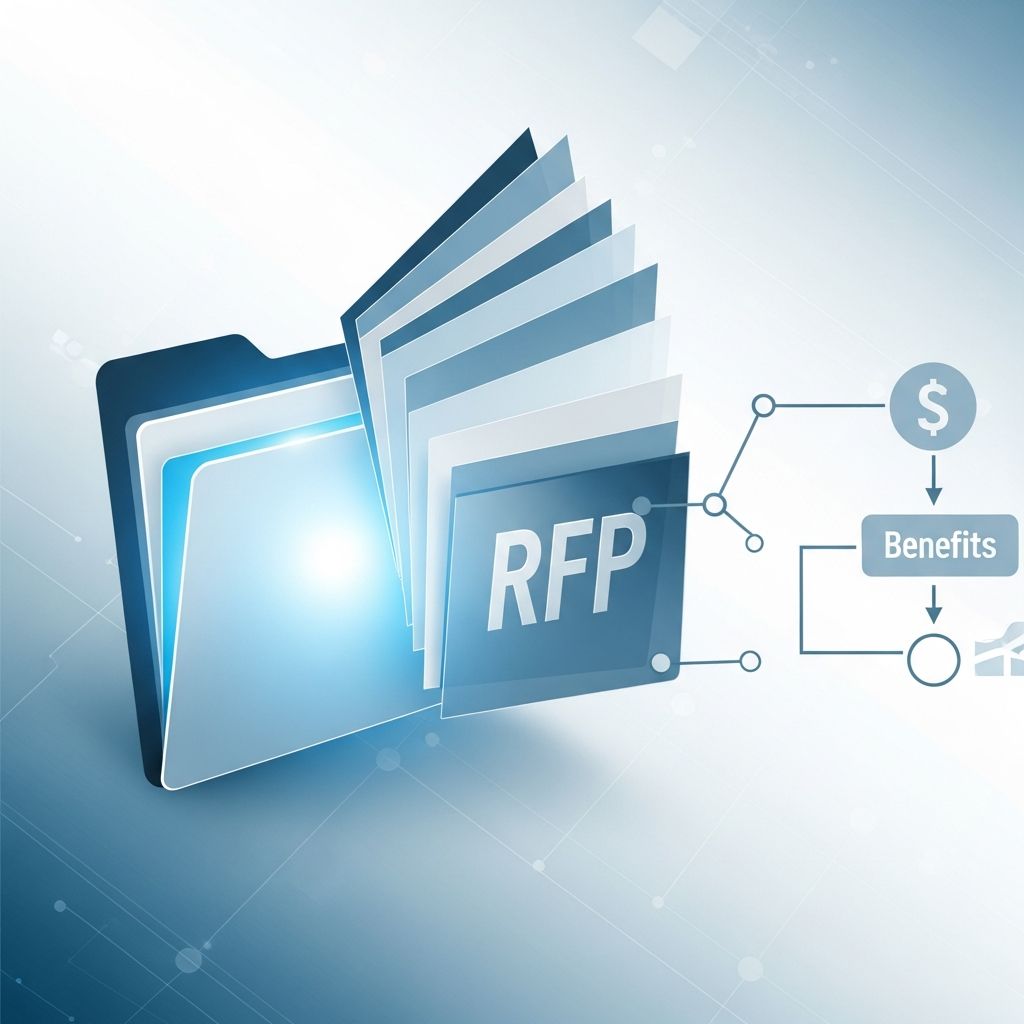
A Request for Proposal (RFP) is a formal document that organizations use to invite vendors or service providers to submit proposals for a specific project or solution. Unlike simple price inquiries, an RFP outlines comprehensive requirements, evaluation criteria, and submission guidelines so that buyers can compare multiple offers on a consistent basis. The RFP process brings structure and transparency to procurement by helping ensure that stakeholders evaluate vendors on comparable terms rather than relying on informal conversations or incomplete information.
RFPs are particularly valuable in complex purchasing decisions where multiple stakeholders are involved, regulatory compliance is important, or the solution requires detailed vendor input. By soliciting structured proposals from multiple vendors, organizations can reduce procurement risk by identifying regulatory compliance gaps, unrealistic timelines, or unclear cost structures before a contract is signed.
How Does a Request for Proposal Work?
The RFP process typically follows a series of structured steps designed to create a fair and transparent procurement environment. Understanding each phase helps both buyers and vendors navigate the process effectively.
Step 1: Defining Project Requirements
The process begins when an organization outlines its goals, technical needs, timelines, and budget expectations. During this phase, internal teams must document what they need from vendors, including desired outcomes, performance metrics, and any specific constraints. Clear requirements give vendors a shared framework for developing proposals and significantly reduce the risk of misaligned responses or incomplete bids. Organizations often benefit from analyzing historical procurement data to refine their requirement setting and ensure they’re being realistic about scope and feasibility.
Step 2: Drafting and Issuing the RFP
Once requirements are established, the buyer documents all specifications, evaluation criteria, submission instructions, and deadlines. A well-structured RFP document encourages comparable proposals from vendors, though creating a comprehensive document can be resource-intensive for internal teams. The RFP should clearly specify what vendors need to address, how proposals will be evaluated, and what information is required for consideration.
Step 3: Collecting Vendor Proposals
Vendors then submit written proposals that detail their proposed solutions, pricing structures, implementation timelines, and relevant qualifications. Standardized submission formats allow for easier side-by-side evaluation, though reviewing large volumes of responses can strain enterprise resources. This phase typically includes a deadline for submissions and often allows for vendor questions to be submitted for clarification.
Step 4: Evaluating and Selecting Vendors
After the submission deadline, the buyer’s team evaluates all proposals against the predetermined criteria. This evaluation considers both quantitative factors like cost and timeline, as well as qualitative factors like vendor experience, proposed methodology, and cultural fit. The organization may conduct presentations or interviews with top candidates before making a final selection.
Types of Request for Proposals
Enterprises use different types of RFPs depending on project complexity, procurement goals, and the level of detail needed from vendors. Each type provides a distinct balance between structure and flexibility.
Open RFP
An open RFP is made publicly available to a wide vendor pool, often through industry publications or procurement websites. This approach encourages competition and diverse proposals, allowing organizations to discover innovative solutions they might not have considered. However, open RFPs can result in a large volume of submissions that require significant evaluation effort and resources. This type is commonly used for large government contracts or highly specialized solutions.
Closed or Selective RFP
A closed RFP is distributed only to pre-qualified vendors or a limited list of potential suppliers. This approach streamlines the evaluation process by reducing the number of proposals to review while still maintaining competitive pressure. Organizations typically use selective RFPs when they have identified vendors with proven capabilities or when security and confidentiality are concerns.
Targeted RFP
Some organizations issue RFPs specifically targeting vendors with particular expertise or experience in their industry. This focused approach ensures that responses address industry-specific challenges and best practices, though it may limit the pool of potential vendors.
Key Benefits of Using an RFP
The RFP process offers numerous advantages to organizations seeking to make informed purchasing decisions:
Structural Organization and Transparency
RFPs bring structure to complex procurement processes by requiring vendors to respond to consistent requirements and evaluation criteria. This standardization makes it easier to compare different proposals objectively. Additionally, documented evaluation steps demonstrate transparency in vendor selection, which supports compliance requirements and helps institutions mitigate risk while avoiding conflicts of interest.
Competitive Pricing and Innovation
By inviting multiple suppliers to address the same defined needs, organizations encourage competitive pricing and service models. This competition often leads to better pricing, more innovative solutions, and enhanced service offerings than might be obtained through direct negotiations with a single vendor.
Risk Reduction
RFPs reduce procurement risk by highlighting gaps in vendor capabilities or misaligned expectations before contracts are signed. This advance identification allows organizations to address potential issues during the selection process rather than discovering problems after implementation has begun.
Internal Alignment
The RFP document captures stakeholder requirements in a single, comprehensive document that guides evaluation. This process ensures that all relevant departments and decision-makers have input into the requirements and agree on priorities, reducing internal conflicts during vendor selection.
Compliance Documentation
RFPs support compliance by documenting selection steps and demonstrating transparency in vendor evaluation for audits and regulators. This documentation is particularly valuable in regulated industries where procurement decisions may be subject to external review.
Long-term Value Assessment
Beyond cost considerations, RFPs facilitate long-term value assessment by including qualitative criteria such as scalability, adaptability, support capabilities, and vendor stability. This comprehensive evaluation approach helps organizations select vendors that will provide value over the entire contract period, not just at the point of purchase.
Request for Proposal vs. Request for Quotation
While both RFPs and RFQs are used in procurement processes, they serve different purposes and are appropriate for different situations.
| Factor | Request for Proposal (RFP) | Request for Quotation (RFQ) |
|---|---|---|
| Primary Purpose | Seeks detailed solutions, methodology, and comprehensive vendor response | Focuses on price estimates for already-defined needs |
| Complexity | Used for complex, multifaceted projects requiring vendor input on approach | Used for straightforward purchases with clear specifications |
| Vendor Flexibility | Vendors can propose alternative approaches within defined parameters | Vendors respond to specific requirements with pricing only |
| Evaluation Criteria | Considers cost, quality, methodology, experience, and other qualitative factors | Primarily based on price and basic compliance with specifications |
| Time Investment | Requires significant effort from both buyer and vendors | Less resource-intensive for both parties |
| Best Used When | Requirements are not fully defined or vendor expertise is needed | Requirements are clear and standardized |
Related Procurement Documents
Organizations often use various procurement documents depending on their specific needs and level of certainty about requirements.
Request for Information (RFI)
An RFI is used when an organization is seeking general information about what products and services are available in the marketplace. RFIs are typically less formal than RFPs and don’t constitute an invitation to bid. They’re useful for gathering preliminary information when requirements haven’t been fully developed or when an organization is exploring potential solutions.
Request for Qualifications (RFQ)
Not to be confused with Request for Quotation, a Request for Qualifications is often distributed before initiating the full RFP process. It’s used to gather vendor information from multiple companies to create a pool of pre-qualified prospects, which streamlines the subsequent RFP review process.
Request for Association (RFA)
An RFA is a proposal from one party to another for acting together, usually in business, and sharing the benefits of joint action. This differs from an RFP in that it seeks partnership rather than vendor services.
Common RFP Use Cases
RFPs are used across various industries and situations to support structured vendor evaluation and procurement.
Core Banking System Upgrades
Financial institutions frequently issue RFPs when seeking to replace or modernize core banking platforms. These RFPs gather structured vendor proposals that enable consistent comparison of scalability, regulatory compliance capabilities, integration with existing systems, and implementation support. This structured approach helps reduce operational and compliance risk during critical infrastructure upgrades.
Enterprise Software Implementation
Organizations implementing large-scale software systems typically use RFPs to evaluate multiple vendors’ solutions, implementation approaches, training capabilities, and ongoing support services.
Consulting and Professional Services
When organizations need specialized expertise for projects like digital transformation, management consulting, or strategic planning, RFPs allow them to compare different vendors’ methodologies, team qualifications, and proposed timelines.
Infrastructure and Construction Projects
Large infrastructure projects use RFPs to evaluate contractors’ proposals including timeline, budget, methodology, safety records, and relevant experience.
Best Practices for Creating an RFP
Organizations can improve their RFP process by following several key best practices:
Be Specific About Requirements
Vague requirements lead to proposals that don’t address your actual needs. Invest time in clearly articulating what you need, including technical specifications, performance metrics, and timeline expectations. The more specific you are, the more comparable vendors’ responses will be.
Define Clear Evaluation Criteria
Establish how you’ll evaluate proposals before vendors submit them. Clearly communicate the weight given to different factors such as price, experience, methodology, and support capabilities. This transparency helps vendors understand what’s important to your organization.
Allow Adequate Time for Response
Vendors need sufficient time to develop thoughtful, comprehensive proposals. Providing at least 2-4 weeks for response (depending on complexity) typically results in higher-quality proposals and greater vendor participation.
Provide Opportunities for Clarification
Include a process for vendors to submit questions about the RFP requirements. Addressing these questions and sharing answers with all vendors ensures everyone has the same understanding of requirements.
Frequently Asked Questions About RFPs
Q: What’s the difference between an RFP and a tender?
A: While similar, tenders typically award contracts based primarily on price and quality of the bid, whereas RFPs allow vendors more flexibility in proposing original solutions aligned with the buyer’s needs. RFPs encourage vendors to suggest approaches and methodologies, while tenders are more prescriptive.
Q: How long does an RFP process typically take?
A: The timeline varies based on complexity, but most RFP processes take between 2-6 months from initial document distribution through vendor selection. This includes time for vendor questions, proposal development, evaluation, and final negotiations.
Q: Can vendors negotiate terms after submitting an RFP response?
A: Yes, negotiation is common after initial proposals are evaluated. Organizations typically conduct discussions with top candidates to clarify details, discuss pricing, and explore implementation specifics before finalizing a contract.
Q: Should I always use an RFP for major purchases?
A: While RFPs are valuable for complex purchases, they’re not necessary for all situations. Use an RFP when you have multiple stakeholders, regulatory requirements demand documentation, requirements need vendor input, or you want to ensure competitive evaluation of multiple vendors.
Q: What should I include in an RFP?
A: A comprehensive RFP typically includes company background and context, detailed project requirements and scope, technical specifications and performance metrics, evaluation criteria and weighting, timeline and budget parameters, submission instructions and format requirements, and vendor qualifications needed.
Q: How many vendors should I invite to submit RFP responses?
A: For most situations, 3-5 qualified vendors provides adequate competition while keeping evaluation manageable. Too few vendors limit competition, while too many can overwhelm your evaluation resources. For open RFPs, you can’t limit the participant pool, but you can use pre-qualification to manage the initial volume.
References
- What is a Request for Proposal (RFP)? — AI21 Labs. 2024. https://www.ai21.com/glossary/financial-services/request-for-proposal/
- Request for proposal — Wikimedia Foundation. 2024. https://en.wikipedia.org/wiki/Request_for_proposal
- What is a Request For Proposal (RFP)? Definition and Explanation — AllVoices. 2024. https://www.allvoices.co/glossary/request-for-proposal-rfp
- Introduction to Request for Proposal (RFP) and Contract Guidance — Engineers Without Borders USA. 2024. https://volunteer.ewb-usa.org/s/article/Introduction-to-Request-for-Proposal-RFP-and-Contract-Guidance
- RFP Meaning: What is a Request for Proposal? — Responsive. 2024. https://www.responsive.io/blog/rfp-meaning
Similar Articles








Read full bio of Sneha Tete