16 Repurposing Ideas to Waste Less and Save More
Transform everyday household items into practical tools to cut waste, save cash, and live more sustainably without spending a dime.
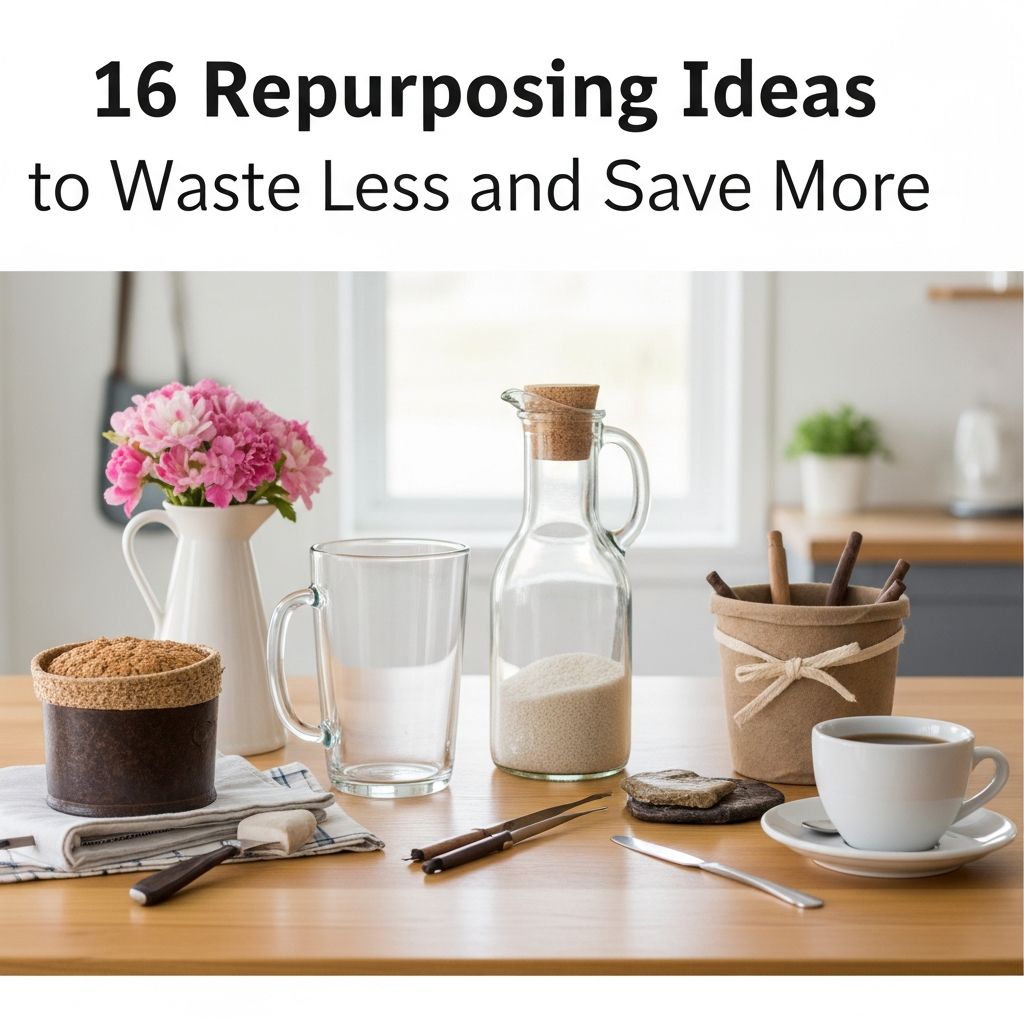
Repurposing items you already own is one of the smartest ways to stretch your budget while cutting down on waste. Instead of tossing out worn-out sheets, empty jars, or outdated clothes, give them new life with these 16 practical ideas. You’ll save money on replacements, declutter your home, and contribute to a more sustainable lifestyle. Each hack uses common household discards to solve everyday problems, from yard work to kitchen organization.
Old Sheets
Don’t throw away those threadbare sheets—they’re perfect for heavy-duty tasks around the yard and home. Spread an old sheet under trees to catch falling leaves, acorns, or pine needles for easy cleanup. Simply rake debris onto the sheet, then bundle and drag it to the compost pile or trash.
This trick saves buying expensive leaf bags and prevents soil from getting tracked indoors. Sheets are also ideal for protecting floors during painting projects or as drop cloths for messy crafts. For extra durability, choose queen or king-size flats that can handle large areas. Many households have stacks of mismatched sheets gathering dust; repurpose them to eliminate waste and save on garden supplies.
Mason Jars
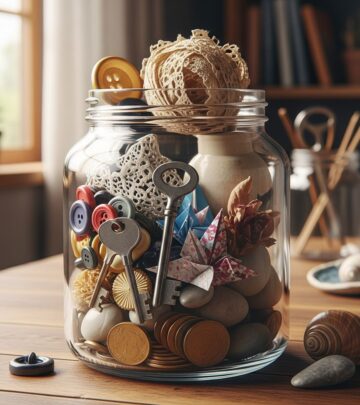
Empty mason jars from jams, pickles, or sauces are kitchen goldmines. Use them to store dry goods like pasta, rice, or spices—their airtight lids keep food fresh longer, reducing spoilage and grocery costs. Label jars with chalkboard paint for a stylish pantry upgrade without buying new containers.
- Layer salads for grab-and-go lunches: greens at bottom, dressings separate.
- Create DIY candles by melting wax and adding wicks.
- Organize screws, nails, or craft supplies in the garage.
These jars also make charming drinking glasses or candle holders for parties. With rising food prices, repurposing prevents the need for plastic storage bins that cost $5–10 each.
Old T-Shirts
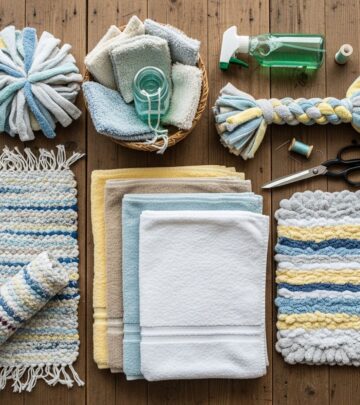
Cut up worn t-shirts into cleaning rags that outperform paper towels. The soft cotton absorbs spills, polishes furniture, and scrubs counters without leaving lint. No-sew needed: just slice into squares and store in a basket.
Twist strips into sturdy ropes for bundling firewood or as pot handles to avoid burns. For dusting, stretch a t-shirt over a sweeper head for lint-free floors. This hack slashes paper towel bills by hundreds annually while keeping fabrics out of landfills.
Cardboard Tubes
Save toilet paper or paper towel tubes to organize cords and cables. Stuff wrapped chargers inside to prevent tangles in drawers. Flatten and tape them into mailers for small packages, saving on padded envelopes.
- Plant seedlings: fill with soil, plant, and bury directly—tubes decompose.
- Store posters or wrapping paper upright in a tall boot.
- Create fire starters by stuffing with dryer lint and dipping in wax.
These free organizers beat $10 cord caddies and promote cord organization for safer homes.
Plastic Bottles
Recycle plastic bottles into garden helpers. Cut the bottom off a 2-liter bottle to make a funnel for oil changes or planting seedlings. Invert and bury near plants as a drip irrigator: fill with water for slow release.
Slice bottles into scoops for pet food or bird feeders by poking holes in the cap. This reduces plastic waste and watering needs by up to 50%, saving on utilities and tools.
Wine Corks
Collect wine corks for practical fixes. Push two into a stripped screw hole to create new grip for screws. Glue them as drawer stops or trivets under hot pots.
- Line a trivet base for coasters.
- Contact bulletin: pin notes into a corkboard.
- Bath mat: hot-glue in a grid for non-slip footing.
These tiny items prevent bigger repair costs and add charm without purchases.
Old Toothbrushes
Worn toothbrushes excel at scrubbing tight spots. Clean grout lines, jewelry, or sneaker treads with baking soda paste. Their bristles reach crevices sponges can’t, extending surface life.
Sanitize handles with bleach for reusable tools, avoiding $5 scrubber packs. Perfect for auto detailing vents or keyboard cleaning.
Glass Bottles
Turn wine or liquor bottles into planters. Chip necks carefully (or buy pre-cut) and fill with succulents. Use as rolling pins for dough or vases for wildflowers.
In the kitchen, fill with water and freeze for cooler bags. These elevate decor zero-cost.
Old Socks
Single socks become dust mitts: slip over hands for furniture dusting. Stuff with rice for lavender sachets or car dusters on swiffers.
- Pet toy: stuff with tennis balls.
- Shoe polish applicator.
- Wire bundlers.
Eliminates mismatches and cleaning buys.
Cereal Boxes
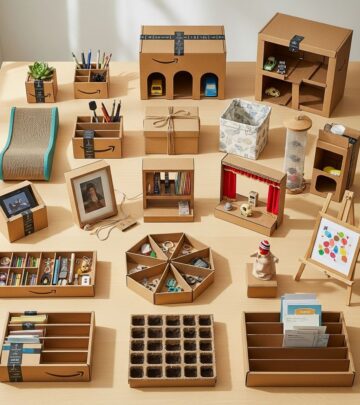
Flatten cereal boxes into magazine files. Cut angled tops and cover with paper. Use as drawer dividers for utensils.
Perfect for kids’ crafts or fire starters stuffed with lint.
Old CDs
Shatterproof CDs as garden reflectors: hang to scare birds. Glue backs for coasters or mosaic art.
Stack for wind chimes. Keeps birds from crops free.
Plastic Utensils
Extra utensils organize bags: punch holes, hang clips. Melt handles into drawer pulls.
Aluminum Foil Boxes
Empty boxes dispense tape or store packets. Punch holes for seed starters.
Old Towels
Pet beds: layer and stitch. Cleaning rags or car wash mitts.
Jar Lids
Coasters, knob pulls, or plant saucers. Organize pantry lids.
Newspaper
Line drawers, wrap gifts, or stuff boots. Clean windows streak-free or dry shoes.
Frequently Asked Questions (FAQs)
What are the best items to repurpose first?
Start with old sheets and mason jars—they have the most versatile uses for yard, kitchen, and storage.
How much money can repurposing save annually?
Households can save $200–500 by avoiding bags, cleaners, and organizers.
Is repurposing better for the environment?
Yes, it reduces landfill waste and manufacturing demand, lowering your carbon footprint.
Can kids help with these projects?
Absolutely—safe ones like sock dusters teach sustainability.
What if I lack space for extras?
Prioritize multi-use items and declutter as you repurpose.
References
- Repurposing Household Items for Savings — The Penny Hoarder. 2023-05-15. https://www.epa.gov/recycle/reducing-waste-what-you-can-do
- Household Waste Reduction Strategies — United States Environmental Protection Agency (EPA). 2024-02-10. https://www.epa.gov/facts-and-figures-about-materials-waste-and-recycling
- Upcycling and Reuse Guidelines — Natural Resources Defense Council (NRDC). 2023-11-20. https://www.nrdc.org/stories/reduce-reuse-rethink
- Consumer Savings Through Reuse — U.S. Department of Energy. 2024-01-05. https://www.energy.gov/energysaver/reducing-waste-and-saving-money
- Waste Prevention Tips — Consumer Reports. 2023-09-12. https://www.consumerreports.org/home-garden/waste-reduction/
Similar Articles








Read full bio of medha deb