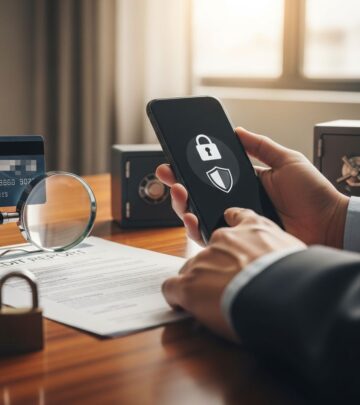
Reporting Identity Theft: Essential Steps
Discover comprehensive steps to report identity theft, protect your credit, and recover swiftly from fraud with expert guidance.

Identity theft occurs when someone unlawfully uses your personal information for fraudulent activities, such as opening accounts or making purchases in your name. Acting quickly is crucial to limit damage and restore your financial health. This article outlines a clear, step-by-step process to report the crime, safeguard your credit, and pursue recovery.
Recognizing Signs of Identity Theft
Early detection prevents escalation. Common indicators include unfamiliar charges on your statements, new accounts you didn’t authorize, denied credit applications, or unexpected tax issues. Regularly monitoring your accounts and credit reports helps spot these red flags promptly.
- Unexpected bills or collection notices for unknown debts.
- Changes to your credit report, like unrecognized inquiries.
- Notifications from the IRS about suspicious tax filings.
- Strange activity on bank or credit card statements.
Once suspected, document everything: save emails, statements, and screenshots as evidence for reporting.
Initial Immediate Actions
Before formal reporting, secure your exposed information. Change passwords for all online accounts, especially financial ones, using strong, unique combinations. Enable two-factor authentication wherever possible to add security layers.
| Action | Why It Matters | How to Do It |
|---|---|---|
| Freeze Credit Reports | Prevents new fraudulent accounts | Contact Equifax, Experian, TransUnion |
| Contact Affected Institutions | Stops ongoing fraud | Call fraud departments immediately |
| Update Passwords | Blocks further access | Use password manager for complexity |
Freezing your credit is free and reversible, making it a top priority. Notify banks or creditors of suspicious activity to freeze or close impacted accounts.
Filing with the Federal Trade Commission
The FTC serves as the central hub for identity theft reports. Their IdentityTheft.gov portal generates an official Identity Theft Report, essential for disputing fraudulent items with creditors and credit bureaus. This report proves victim status and unlocks recovery tools.
- Visit IdentityTheft.gov or call 877-438-4338.
- Provide detailed incident information, including timelines and evidence.
- Download your personalized recovery plan and Identity Theft Report—print copies immediately.
This step doesn’t trigger a criminal investigation by the FTC but equips you with documentation for other agencies and businesses. The recovery plan offers tailored checklists for common scenarios like credit repair or tax fraud.
Engaging Local Law Enforcement
A police report strengthens your case, especially when businesses demand proof of fraud. Not all departments prioritize identity theft due to jurisdictional challenges, but filing is vital for certain disputes.
Prepare these documents:
- FTC Identity Theft Report.
- Government-issued photo ID.
- Proof of address (utility bill or statement).
- Evidence of fraud (statements, letters).
Visit your local station or check for online/phone options. Request the report number or a copy. Use it alongside the FTC report for an enhanced “Identity Theft Report” that mandates creditors to remove fraudulent data.
File when you have suspect details, evidence, or institutional requirements. Multiple reports may be needed across jurisdictions.
Protecting Your Credit Files
Fraud alerts are free protections added to your credit reports. A one-year alert requires lenders to verify your identity before approvals; extend to seven years with a police report.
- Equifax: 800-685-1111 or equifax.com
- Experian: 888-397-3742 or experian.com
- TransUnion: 800-680-7289 or transunion.com
Placing an alert at one bureau notifies the others automatically. For severe cases, request a credit freeze to block all access. Regularly pull free weekly reports from AnnualCreditReport.com to monitor progress.
Handling Compromised Accounts
Speak directly with fraud departments at affected companies. Follow up in writing via certified mail with copies of your FTC and police reports. Demand account closures, debt discharges, and confirmation letters.
If new unauthorized accounts exist, dispute them using the Identity Theft Report. Companies must cease reporting fraudulent info to credit bureaus upon receipt.
Addressing Tax-Related Identity Theft
Fraudsters often target tax refunds. Report to the IRS immediately via their identity theft central page. Obtain an Identity Protection PIN (IP PIN) to secure future filings.
- Follow IRS letter instructions precisely.
- Contact your state tax agency separately.
- File returns on time despite disruptions.
Keep meticulous records of all communications.
Reporting Cyber and Online Fraud
For internet-based theft, file with the FBI’s Internet Crime Complaint Center (IC3) at ic3.gov. This aggregates data for broader investigations without individual follow-up.
Additionally, submit complaints to the Consumer Financial Protection Bureau (CFPB) to aid national enforcement.
Long-Term Recovery Strategies
Recovery demands persistence. Dispute errors on credit reports, monitor for reappearances, and consider identity theft protection services for ongoing vigilance.
Key ongoing steps:
- Review credit reports annually.
- Shred sensitive documents.
- Use virtual cards for online purchases.
- Educate family on prevention.
FAQ
What if police won’t file a report?
Persist with documentation; escalate to supervisors or file in the fraud location. The FTC report suffices for many disputes.
How long does recovery take?
Varies from weeks to months; consistent follow-up accelerates it.
Is a credit freeze the same as a fraud alert?
No—freezes block access entirely; alerts prompt verification.
Do I need to pay for identity protection?
Basic steps are free; services offer monitoring extras.
What if theft involves my Social Security number?
Alert SSA, place alerts, and monitor benefits.
References
- How to File a Police Report for Identity Theft — Experian. 2023. https://www.experian.com/blogs/ask-experian/should-you-file-a-police-report-after-identity-theft/
- What to Do After ID Theft — Stephenson National Bank & Trust. 2024. https://www.snbt.com/what-to-do-after-id-theft
- Lessons From the Field – Steps for Victims of Identity Theft or Fraud — Office for Victims of Crime, U.S. Department of Justice. 2022. https://ovc.ojp.gov/sites/g/files/xyckuh226/files/pubs/ID_theft/stepsforvictims.html
- Identity Theft Guide for Individuals — Internal Revenue Service. 2025-10-01. https://www.irs.gov/identity-theft-central/identity-theft-guide-for-individuals
- Identity Theft Basics — AnnualCreditReport.com. 2024. https://www.annualcreditreport.com/protectYourIdentity.action
- Identity Theft — Federal Trade Commission (IdentityTheft.gov). 2026. https://www.identitytheft.gov
- Report Identity Theft — Federal Trade Commission. 2025. https://www.ftc.gov/news-events/topics/identity-theft/report-identity-theft
Similar Articles








Read full bio of Sneha Tete