Repair or Replace? Guide to Fixing 16 Household Items
Learn which household items are worth repairing and which ones to replace for maximum savings.
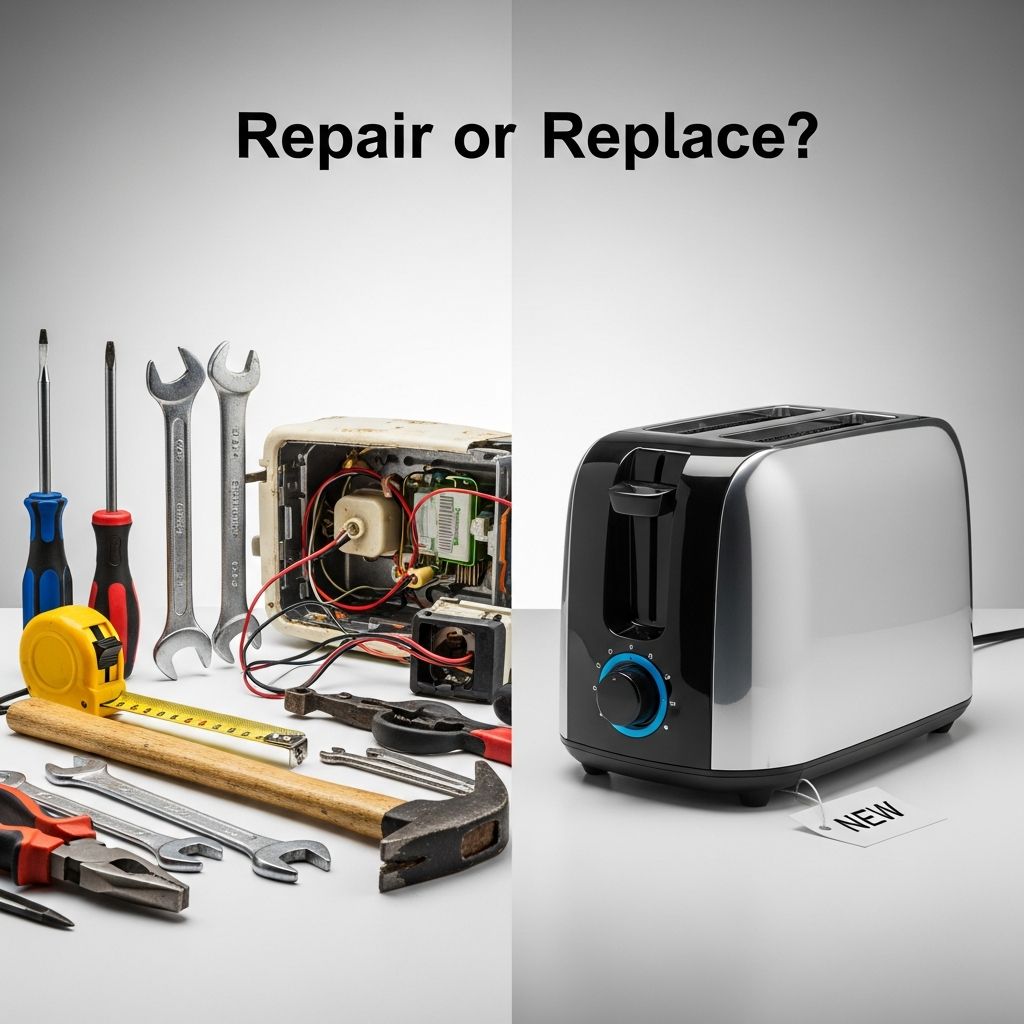
Why Repair Broken Items Instead of Replacing Them?
The decision to repair rather than replace broken or worn household items offers compelling financial advantages. When you fix items, especially expensive appliances and tools, you extend their usable lifespan and defer the significant cost of purchasing replacements. This approach has become increasingly important as part of a broader movement known as the “Right to Repair.”
The Right to Repair advocates argue that many manufacturers have deliberately created barriers to simple repairs, forcing consumers into cycles of continuous spending on new products. This practice, often called planned obsolescence, makes purchasing the latest model more economical than repairing existing items. By choosing to repair instead, you resist this cycle and maintain greater control over your personal finances while reducing waste.
Beyond the immediate cost savings, repairing items promotes sustainability and resource conservation. Every product you repair is one less item destined for landfills, and you avoid the environmental costs associated with manufacturing and shipping replacements.
How to Decide if It’s Worth Fixing in 4 Steps
Not every damaged item justifies the repair investment. Understanding how to evaluate whether fixing something makes financial and practical sense prevents wasting money on repairs that won’t benefit you in the long run. Follow these four steps to make informed decisions.
1. Decide if It Can Be Fixed
The first critical step involves assessing whether repair is physically possible. Some materials and damage types simply don’t lend themselves to repair. For example, plastic components that have snapped off or worn fabric that has deteriorated significantly may be impossible or impractical to restore to functional condition. Consider the material composition of the item and the nature of the damage before proceeding further in your evaluation.
2. Find a Tutorial
Once you’ve confirmed an item can be fixed, consult online resources. YouTube and Google offer countless DIY tutorials covering almost every household repair imaginable. These resources provide invaluable information about necessary materials, required hardware, and time commitments involved. By researching before committing, you’ll understand exactly what the repair entails and can make a more informed decision about whether to proceed.
3. Determine if You Need a Professional
While many straightforward repairs using basic tools fall within most people’s capabilities, certain fixes require professional expertise. Electrical repairs, for instance, demand specialized knowledge and should never be attempted by untrained individuals due to safety risks. Plumbing work, structural repairs, and appliance repairs involving complex components similarly warrant professional attention. Accurately assessing whether you can handle a repair or need to hire someone prevents costly mistakes.
4. Do a Cost Analysis
Just because something can be repaired doesn’t mean it should be. Compare the total repair cost—including tools, hardware, and labor—against the replacement cost. Factor in how much use the item will receive after repair and how long the repair will extend its functional life. If a repair costs nearly as much as replacement, purchasing new often makes better financial sense, especially if the new item comes with warranty protection or improved features.
16 Household Items Worth Repairing
These household and personal items frequently warrant repair rather than replacement, offering significant savings opportunities when fixed properly.
- Stainless steel pots and pans
- Rugs and carpets
- Window and door screens
- Vacuum cleaners
- Dishes and ceramics
- Lamps
- Furniture
- Lawn mowers and garden equipment
- Power tools
- Appliances
- Smartphones and electronics
- Stuffed animals
- Clothing
- Jewelry and watches
- Handbags, purses, and luggage
- Shoes and belts
Detailed Repair Guide for Key Items
Stainless Steel Pots and Pans
Stainless steel cookware represents a worthwhile investment because it’s virtually indestructible. Unlike non-stick surfaces that eventually scratch and fail, stainless steel pots and pans can last a lifetime with proper care and maintenance. Loose handles can be tightened with a screwdriver, and broken handles can be replaced entirely with basic tools. If your cookware appears tarnished or discolored, restore its shine by buffing with baking soda or treating it with white vinegar. These simple maintenance steps keep your stainless steel cookware looking new and functioning optimally.
Window and Door Screens
Ripped screens are an inevitable part of home ownership, but they don’t warrant replacing the entire frame. Screen repair kits available at any local hardware store provide economical solutions for both small tears and larger damage. These kits allow you to either patch small rips or install new mesh into existing frames, typically at a fraction of replacement costs. The repair process requires minimal tools and takes just minutes to complete.
Vacuum Cleaners
When your vacuum cleaner loses suction or stops working effectively, don’t immediately consider replacement. The internal components that make vacuums seem intimidating to repair—hoses, belts, filters, and brushes—are actually straightforward to replace. Most vacuum parts are inexpensive and readily available online or at appliance retailers. Regular maintenance, including filter replacement, brush clearing, and hose inspection, prevents many common problems and extends your vacuum’s lifespan significantly.
Furniture
Furniture repair is often simpler than people assume. Water rings on wooden surfaces disappear when buffed with mayonnaise. Tired cabinet knobs and pulls transform a piece’s appearance when replaced. Paint and stain refresh worn or outdated finishes, and reupholstering fabric or leather components costs far less than purchasing new furniture. Don’t overlook expensive outdoor furniture—it can typically be spot cleaned or reupholstered affordably, extending its life for years.
Clothing
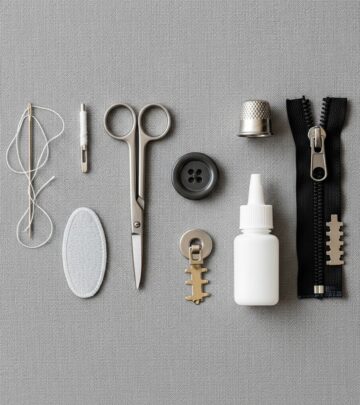
Torn jeans, snagged sweaters, and holes in pockets don’t require throwing away otherwise serviceable clothing. Most clothing repairs involve basic stitching techniques: sewing on buttons, ironing on patches, or replacing zippers. You don’t need advanced sewing skills or equipment to complete these repairs. Many simple fixes take just minutes and cost virtually nothing, making clothing repair one of the easiest money-saving strategies available.
Handbags, Purses, and Luggage
Broken zippers, torn straps, and holes in linings are common problems with handbags and luggage that don’t justify replacement. Many dry cleaners offer repair services for these items at reasonable costs. However, before seeking repairs, check whether your bag came with a warranty. Many manufacturers, particularly for premium handbags and luggage sets, offer extended or lifetime warranties covering repairs or replacement for manufacturing defects.
Leveraging Manufacturer Warranties and Guarantees
Beyond DIY repairs, taking advantage of manufacturer warranties significantly extends product lifespans and reduces replacement costs. Many reputable companies stand behind their products with generous repair and replacement guarantees that consumers often overlook.
Lifetime and Extended Warranties
Craftsman, the tool manufacturer, offers one of the most comprehensive warranties in the industry. Many Craftsman tools—including wrenches, hammers, screwdrivers, ratchets, and sockets—come with free replacements for the product’s lifetime if they fail to perform “for any reason.” You don’t even need proof of purchase; simply return the defective tool to a retail partner for replacement.
Tupperware warranties its plastic storage containers against chipping, cracking, breaking, or peeling under normal household use for the product’s lifetime. Calphalon kitchenware similarly comes with lifetime warranties covering defects in material or workmanship. Big Green Egg ceramic grills, which represent significant investments ranging from $429 to $2,199, include limited lifetime warranties covering ceramic components.
Tervis water bottles and cups feature lifetime guarantees on classic insulated products, with five-year coverage on stainless steel items. These warranties cover material defects and workmanship problems but typically exclude normal wear and tear.
Limited Warranties and Return Policies
REI, the outdoor retailer, maintains a limited warranty on manufacturing defects available at any time, plus a flexible return policy allowing REI members to return items for any reason within one year of purchase (90 days for non-members). XIKAR, which manufactures premium cigar accessories, provides limited lifetime warranties on all products with free repair or replacement by mail, though the company may send refurbished equivalents depending on product age and condition.
Polar Bottle water bottles come with warranties covering defects in materials and workmanship but exclude regular wear and tear, accidents, or improper care. Similarly, companies like Patagonia repair damage from normal wear and tear at reasonable charges, making them good choices for consumers seeking durable, repairable products.
Building a Repair-First Mindset
Adopting a repair-first approach requires shifting consumer habits and perspectives. Instead of automatically discarding broken items, pause and evaluate whether fixing them makes sense. Research repair costs and timelines. Check manufacturer warranties. Attempt simple repairs yourself when safe and feasible. This proactive approach saves money while promoting sustainability and supporting the Right to Repair movement.
Frequently Asked Questions
Q: When should I replace instead of repair?
A: Replace items when repair costs approach or exceed replacement prices, when safety issues prevent safe repair, when the item is beyond functional repair, or when a replacement offers significantly better features or efficiency that justifies the investment.
Q: Where can I find repair tutorials?
A: YouTube and Google offer comprehensive DIY repair tutorials for nearly every household item. Manufacturer websites often include repair guides and parts diagrams. Local library resources and community repair workshops also provide valuable information and hands-on assistance.
Q: How can I find manufacturer warranty information?
A: Check product packaging, instruction manuals, and manufacturer websites for warranty details. Contact customer service directly with questions. Save purchase receipts and registration information to validate warranty claims if needed.
Q: What tools do I need for basic household repairs?
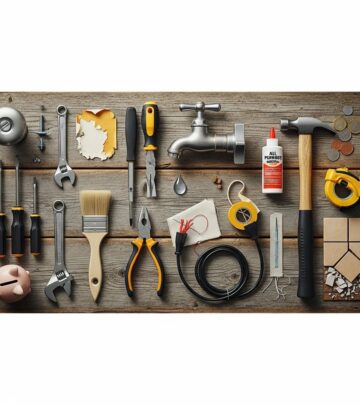
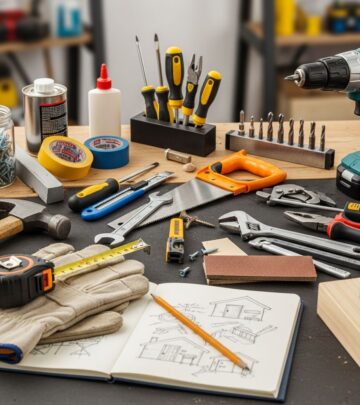
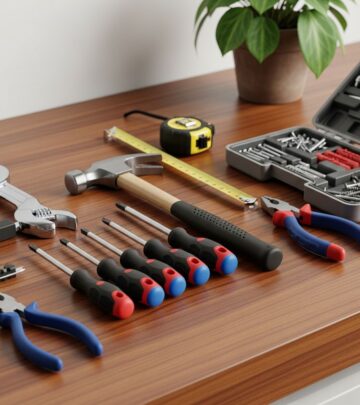
A: Most basic repairs require a screwdriver set, hammer, adjustable wrench, pliers, tape measure, and basic sewing supplies. Many hardware stores sell affordable starter tool kits. Specialized tools for specific repairs can typically be borrowed or rented inexpensively.
Q: Is repairing always better than replacing?
A: Not always. If repair costs nearly match replacement prices, if safety concerns exist, or if a new item offers substantial improvements in efficiency or features, replacement may be the better choice financially and practically.
References
- Repair or Replace? 16 Things You Should Try to Fix Before Tossing — The Penny Hoarder. 2025. https://www.thepennyhoarder.com/save-money/repair-or-replace-household-items/
- 53 Companies That Offer Lifetime Warranties on Products — The Penny Hoarder. 2025. https://www.moneytalksnews.com/slideshows/51-companies-with-lifetime-warranties/
- Craftsman Tools Warranty Information — Craftsman. https://www.craftsman.com/
- Tupperware Warranty Policy — Tupperware. https://www.tupperware.com/
- Calphalon Cookware Warranty Information — Calphalon. https://www.calphalon.com/
Similar Articles








Read full bio of medha deb