Renting Vs Buying A Home: 5 Steps To Decide In 2025
Discover the key advantages and drawbacks of renting versus buying to make the best housing decision for your lifestyle and finances.
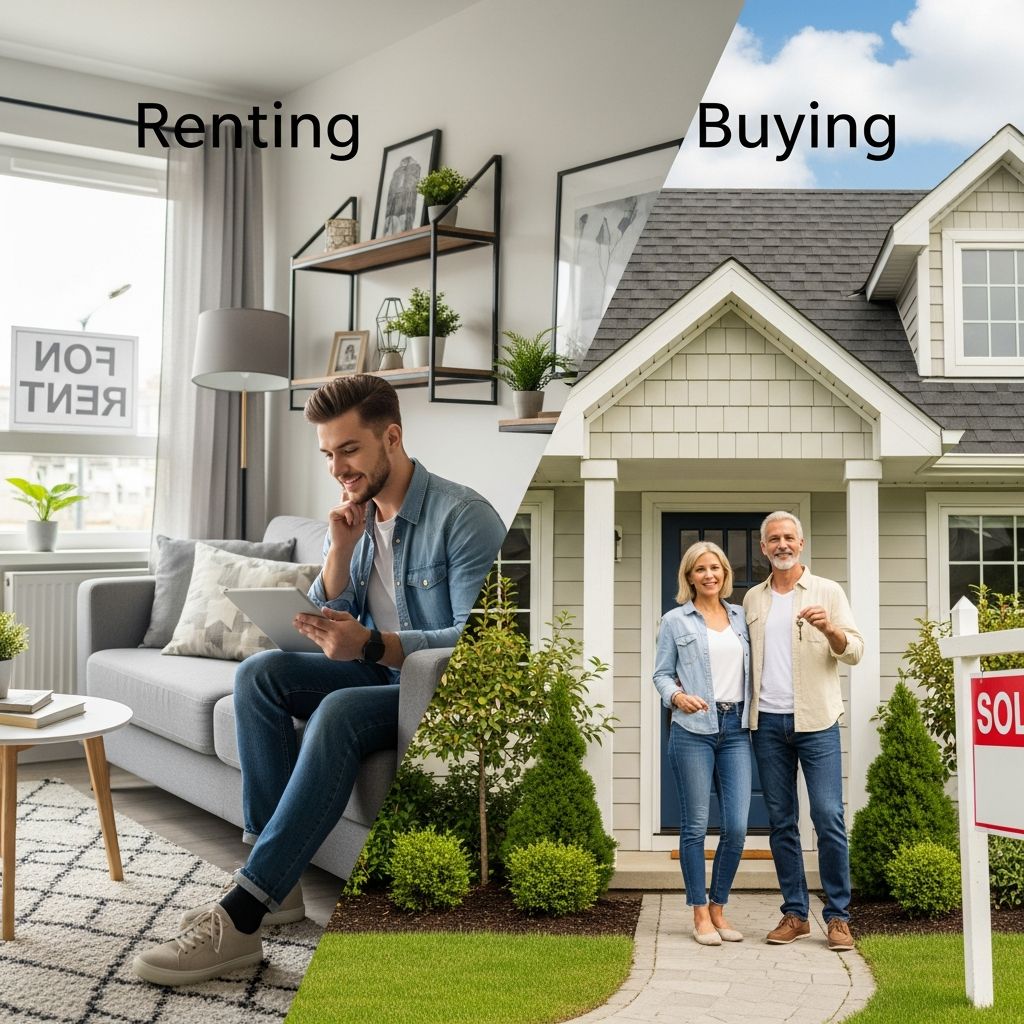
Renting vs Buying a Home: A Comprehensive Guide to Your Best Choice
Choosing between renting and buying a home shapes your financial future, lifestyle, and stability. Renting provides flexibility and lower initial costs, while buying builds equity and offers customization. This guide breaks down the pros, cons, costs, and key decision factors using data from reliable sources.
Understanding the Core Differences
Renting involves paying a landlord for temporary use of a property, typically under a lease agreement. Buying means purchasing the property outright or via a mortgage, gaining ownership rights and responsibilities. Each path suits different life stages: renting for those prioritizing mobility, buying for long-term roots.
Advantages of Renting a Property
Renting appeals to individuals seeking simplicity and freedom. Here are the primary benefits:
- Lower Entry Barriers: Upfront costs are minimal, often limited to a security deposit and first month’s rent, unlike the 3-20% down payment required for buying.
- High Mobility: Move easily with short notice, ideal for job changes, relocations, or life transitions without selling a home.
- No Maintenance Burden: Landlords handle repairs, from plumbing to roofing, freeing renters from unexpected expenses and time commitments.
- Predictable Short-Term Budgeting: Rent plus utilities and renters insurance form a straightforward monthly expense, often lower than ownership costs in high-price areas.
These factors make renting suitable for young professionals, frequent travelers, or those building savings for future purchases.
Drawbacks of Renting
Despite its conveniences, renting has limitations that impact long-term wealth:
- No Wealth Accumulation: Payments contribute to the landlord’s equity, leaving renters with no asset after years of occupancy.
- Rising Costs: Rent increases annually, outpacing inflation in many markets, with no cap unless rent-controlled.
- Restrictions on Personalization: Leases often prohibit major changes like painting, pet ownership, or renovations without approval.
- Limited Security: Eviction risks or lease non-renewals can disrupt stability, especially in competitive markets.
Benefits of Home Ownership
Buying a home transitions housing from an expense to an investment. Key advantages include:
- Equity Building: Mortgage payments reduce principal owed, increasing your net worth over time, unlike rent.
- Fixed Costs with Mortgages: Fixed-rate loans provide payment stability, shielding from rent hikes.
- Tax Incentives: Deduct mortgage interest and property taxes, reducing taxable income (consult a tax advisor for eligibility).
- Full Control and Customization: Renovate, landscape, or add features without permission, fostering personalization.
- Long-Term Appreciation: Homes often gain value, offering profit upon sale or retirement funding.
Ownership instills pride and stability, serving as a hedge against rising housing costs.
Challenges of Buying a Home
Homeownership demands commitment and resources. Common downsides are:
- High Upfront and Ongoing Costs: Down payments, closing fees (2-5% of loan), plus taxes, insurance, and maintenance average 1-4% of home value yearly.
- Maintenance Responsibilities: Owners bear all repair costs, which can exceed $10,000 for major issues like HVAC replacement.
- Reduced Flexibility: Selling takes months and incurs 5-6% agent fees, complicating relocations.
- Market Risks: Property values can decline, leading to losses despite payments made.
- Illiquid Asset: Converting home equity to cash requires selling, unlike liquid investments.
Financial Comparison: Renting vs Buying
Costs vary by location, market conditions, and timeline. Short-term (under 5 years), renting often wins; long-term, buying builds wealth.
| Factor | Renting | Buying |
|---|---|---|
| Upfront Costs | $2,000-$5,000 (deposit + rent) | 5-20% down + $5,000-$15,000 closing |
| Monthly Payment (avg. US) | $1,700 rent + utils | $2,000 mortgage + $300 taxes/ins |
| Long-Term (10 yrs) | $200,000 paid (no equity) | $240,000 paid (~$100,000 equity) |
| Maintenance | Landlord covers | Owner: 1-2% home value/year |
| Appreciation/Equity | None | 3-5% annual avg. growth |
Note: Figures are illustrative; use online calculators for personalized estimates. In 2025 markets, buying edges out if staying 7+ years.
Market Trends Influencing Your Decision
High interest rates (2026 avg. 6-7%) favor renting short-term, but falling rates boost affordability. Inventory shortages keep prices elevated, making equity gains likely but entry barriers high. Urban areas favor renting for mobility; suburbs suit buying for space.
Steps to Decide: Rent or Buy?
- Assess Finances: Ensure 20% down savings, debt-to-income under 43%, and emergency fund.
- Timeline Check: Plan to stay 5+ years? Buy. Uncertain? Rent.
- Lifestyle Fit: Value freedom or stability?
- Run Numbers: Compare total costs using rent-vs-buy tools.
- Future Goals: Retirement equity vs. investment diversification.
Hybrid approach: Rent while saving, buy when ready.
Common Myths Debunked
- Myth: Buying Always Beats Renting. Not if moving soon—transaction costs erase gains.
- Myth: Renting Wastes Money. It builds credit and savings for future buys.
- Myth: Homes Are Foolproof Investments. They lag stocks long-term; diversify.
Frequently Asked Questions (FAQs)
Is it better to rent or buy in 2026?
Depends on location and plans. Buying suits stable finances and long stays; renting fits uncertainty.
How much should I save for a down payment?
3-20%; 20% avoids PMI. FHA loans allow 3.5%.
Can renting build credit?
Yes, on-time payments report to bureaus via services like RentTrack.
What if home values drop?
You still build equity via principal paydown; stay long-term for recovery.
Are there tax breaks for renters?
Limited; some localities offer rebates, but owners get more deductions.
Final Thoughts on Your Path Forward
Weigh personal circumstances against these insights. Consult financial advisors for tailored advice. Whether renting for agility or buying for legacy, informed choices secure your housing success.
References
- Rent vs Own – Pros and Cons — MaineHousing. 2023. https://www.mainehousing.org/programs-services/homebuyer/rent-vs-own
- Buying vs. Renting a Home: Pros, Cons, and How to Decide — Vision Retirement. 2024-10-15. https://www.visionretirement.com/articles/home-buying/renting-vs-buying
- Pros and Cons of Renting vs Buying a Home — First Alliance Credit Union. 2024. https://www.firstalliancecu.com/blog/pros-and-cons-of-renting-and-buying-a-home
- Buying vs renting a home: The pros & cons explained — Empeople. 2024. https://empeople.com/learn/empeople-insights/buying-vs-renting-a-home-the-pros-cons-explained/
- The Pros and Cons of Renting vs. Buying a House — Zillow. 2025-01-20. https://www.zillow.com/learn/renting-vs-buying-pros-and-cons/
- Renting vs. Buying a Home: What People Get Wrong — YouTube (Video). 2024. https://www.youtube.com/watch?v=j4H9LL7A-nQ
Similar Articles








Read full bio of medha deb