Renting Smart: Your Complete Financial Roadmap
Master your finances before, during, and after signing that lease to avoid costly surprises and build long-term stability.
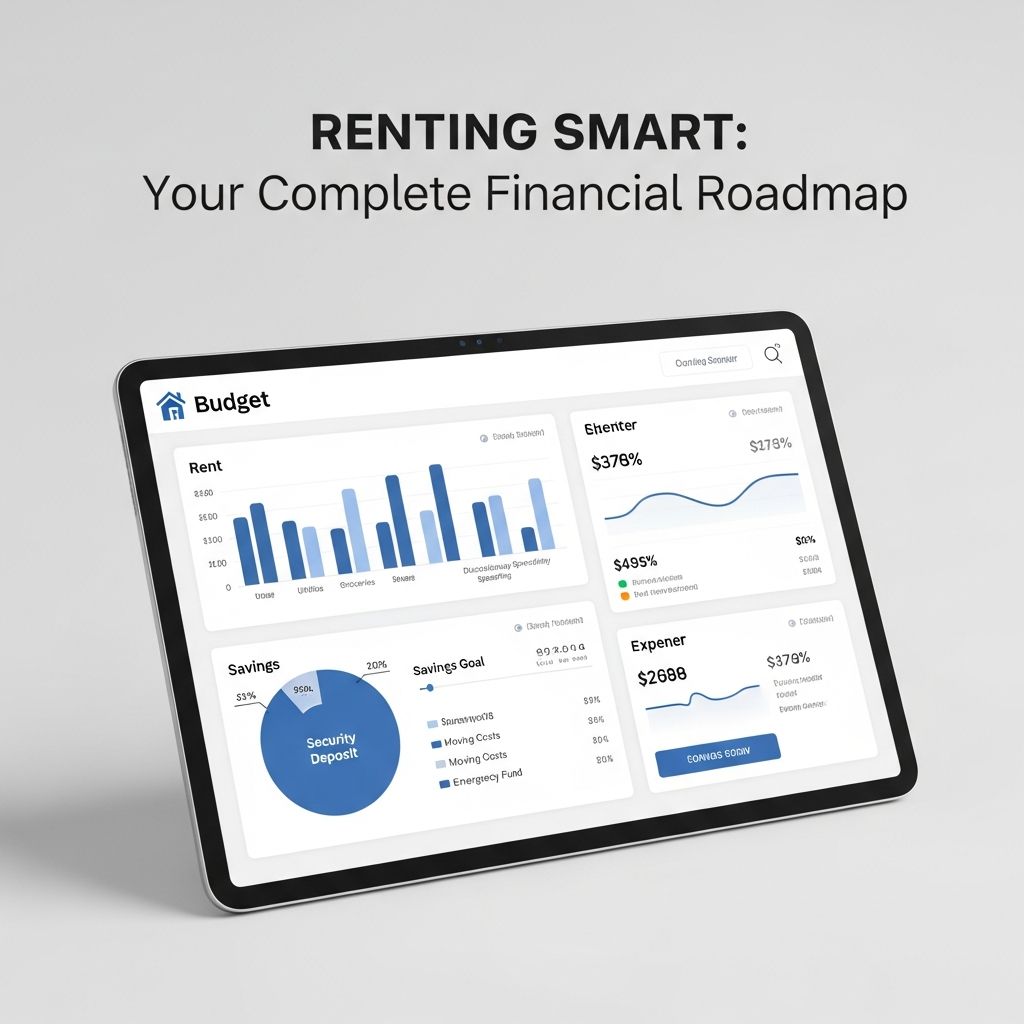
Renting an apartment demands careful financial preparation to ensure smooth transitions and avoid pitfalls. This guide outlines key strategies for assessing affordability, handling initial costs, and maintaining stability after moving in.
Assessing Your Affordability Before the Hunt Begins
Start by evaluating your income against potential rental costs using proven budgeting frameworks. The 30% rule suggests limiting rent to no more than 30% of your gross monthly income—for a $4,000 earner, that’s under $1,200. For broader planning, adopt the 50/30/20 rule: allocate 50% to needs like housing and food, 30% to wants, and 20% to savings or debt.
Calculate total housing expenses beyond rent, including utilities averaging $150–$300 monthly and internet at $50–$100. Use tools like budgeting apps to track these projections and simulate scenarios based on local market rates.
Upfront Costs: What to Save For Immediately
Landlords often require several payments before handing over keys. Prioritize saving for these to prevent last-minute scrambles.
- First month’s rent: Full amount due upfront, varying by location.
- Security deposit: Typically 1–2 months’ rent, refundable if no damages occur.
- Application fees: $25–$100 per applicant for background and credit checks.
- Moving expenses: $100–$500 for trucks or help.
- Pet fees: Additional deposits or monthly charges if applicable.
| Expense Type | Average Cost Range | Notes |
|---|---|---|
| Security Deposit | 1–1.5x Monthly Rent | Refundable upon move-out inspection |
| Application Fee | $25–$100 | Non-refundable, per person |
| Utilities Setup | $150–$300/mo initial | Includes deposits for new accounts |
| Furniture Basics | $500–$3,000 | Adjust based on existing items |
Aim to have 2–3 months’ rent saved upfront, equivalent to first/last rent plus deposit. This buffer covers most initial demands.
Boosting Your Rental Approval Odds
Landlords scrutinize credit, income, and history. Review your credit report for free annually via official portals to spot errors. A strong score above 650 often secures better terms and waives cosigner needs.
Income verification typically requires 2.5–3x rent in monthly earnings—proof via pay stubs or tax returns. If short, consider a guarantor who meets criteria. Prepare documents in advance: ID, references, bank statements.
Hidden Expenses That Derail Budgets
Beyond basics, anticipate these often-overlooked costs:
- Renters insurance: $10–$25/month, often mandatory for liability and belongings protection.
- Parking or amenity fees: $20–$150/month for spots, tech packages, or laundry.
- Transportation shifts: Gas, transit passes if commuting changes.
- Subscriptions and groceries: Review statements to cut unused services; stock kitchen efficiently.
Ask current tenants about real utility spikes—summer AC or winter heat can add hundreds. Negotiate inclusions like water in lease terms.
Post-Move Financial Adjustments
Once settled, recalibrate your budget for new realities. Track first bills meticulously.
- Activate utilities promptly: Compare providers for deals; bundle for savings.
- Purchase essentials: Prioritize bed, kitchenware over luxuries.
- Build emergency fund: Target 3 months’ expenses, starting with one month.
- Automate payments: Set rent autopay to dodge late fees.
Monthly reviews prevent creep—adjust for groceries, internet, and unexpected repairs.
Planning for Rent Increases and Long-Term Stability
Rents rose over 25% year-over-year in recent data, so project 3–5% annual hikes. Factor into yearly budgets; seek fixed-term leases for predictability.
Review big picture quarterly: savings growth, debt reduction. Strong credit from on-time rent builds toward future goals like homeownership.
Essential Tools and Resources for Renters
Leverage apps for control:
- Mint or EveryDollar for expense tracking.
- Rocket Money for subscription audits.
- Lease trackers for due dates and clauses.
Document move-in with photos for deposit disputes. Communicate early with landlords on issues.
Frequently Asked Questions (FAQs)
How much should rent be of my income?
Follow the 30% rule for gross income or 25–30% of take-home pay to maintain balance.
What’s the average security deposit?
One month’s rent typically, up to 1.5–2x in some areas; always get a condition report.
Do I need renters insurance?
Many leases require it; it’s affordable protection against theft or damage claims.
How to handle utility costs?
Budget $150–$300/month; seek inclusions or energy-saving tips from locals.
What if my credit is low?
Offer higher deposit, cosigner, or proof of savings; dispute errors first.
Protecting Your Finances Long-Term
Renting responsibly enhances credit and savings. Consistent payments avoid collections or evictions impacting future housing. Aim for gradual expense optimization—cut dining out to fund emergencies.
For moves, walkthrough with landlord; note defects to safeguard deposit return. This proactive approach turns renting into a stepping stone.
References
- Financial To-Do List for Renting an Apartment — Experian. 2022-07. https://www.experian.com/blogs/ask-experian/financial-checklist-for-renting-apartment/
- How to Budget for Your First Apartment (Checklist and Tips) — ApartmentList. N/A. https://www.apartmentlist.com/renter-life/first-apartment-budgeting-checklist
- Apartment budgeting checklist: How to plan for rent and hidden costs — Homes.com. N/A. https://www.homes.com/learn/apartment-budgeting-checklist-how-to-plan-for-rent-and-hidden-costs/
- First Apartment Checklist for Smart Renters — G3 Management. N/A. https://www.g3manage.com/post/first-apartment-checklist
- Budgeting Your First Apartment — Peoples Bank. N/A. https://peoplesbanknc.com/Learn/Budgeting-Your-First-Apartment
- First Apartment Checklist: All the Essentials You Need — Lemonade. N/A. https://www.lemonade.com/renters/explained/first-apartment-checklist/
Similar Articles








Read full bio of medha deb