Renters Insurance: How Much is it & What it Covers
Discover what renters insurance covers, how it works, and why it's essential for protecting your belongings and finances as a renter.

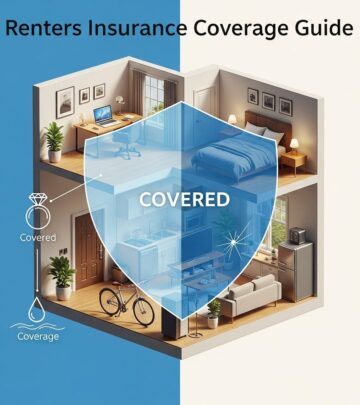
Renters insurance is a vital financial safeguard for tenants living in apartments, houses, single rooms, or condominiums, protecting against unexpected losses from theft, damage, or liability. Policies typically cover personal belongings, liability claims, and additional living expenses, with average annual costs ranging from $15 to $30 per month depending on location, coverage limits, and deductibles.
What is Renters Insurance?
Renters insurance helps protect renters from financial losses associated with living in rented properties, such as apartments, houses, single rooms, and condominiums. Unlike homeowners insurance, it focuses on your personal belongings and liability rather than the building structure, which is typically covered by the landlord’s policy.
Your exact coverage depends on the policy, but it generally includes protection for damage to your living space or personal belongings, theft, certain liability claims, and expenses if you’re displaced from your home. For instance, if a fire damages your apartment, renters insurance can cover repairs to your items and temporary hotel stays.
Renters insurance isn’t legally required, but many landlords mandate it as a lease condition to ensure tenants are protected. Without it, events like fires, windstorms, or burglaries could lead to significant out-of-pocket expenses.
How Does Renters Insurance Work?
Renters insurance operates by reimbursing you for specific losses triggered by “covered perils,” which are predefined events in your policy. Common covered perils include fire, smoke, lightning, windstorms, certain water damage from leaks or bursts, theft, and vandalism.
However, standard policies exclude major events like earthquakes and floods, which require separate coverage from providers like the National Flood Insurance Program (NFIP), a federal program administered by FEMA. When a covered event occurs, your insurer assesses the damage and pays out based on your policy terms after you meet the deductible.
The insurer agrees to cover costs related to theft or damage to your living space and belongings, as well as liability claims if someone is injured on your rented property. Claims are filed post-event, with payouts determined by policy type—actual cash value (ACV) or replacement cost value (RCV).
- ACV policies: Pay the current market value of items after depreciation, meaning older belongings receive less.
- RCV policies: Cover the cost to replace items with new ones of similar quality, providing more comprehensive protection at a higher premium.
RCV is preferable for those with newer or high-value items, as it avoids depreciation deductions.
What Does Renters Insurance Cover?
Renters insurance typically provides three core coverage areas: personal property, liability, and additional living expenses. Coverage limits and specifics vary, so review your policy declarations page carefully.
Personal Property
This covers damage or theft of your belongings, such as furniture, clothing, electronics, and appliances, up to your policy’s limit—often $20,000 to $100,000. Policies may cap payouts for high-value items like jewelry ($1,500–$2,500 standard limit), art, antiques, or collectibles, requiring scheduled personal property riders for full protection.
For example, if a theft occurs, your policy reimburses stolen items’ value after the deductible. Inventory your possessions with photos, receipts, and serial numbers to streamline claims.
Liability
Liability coverage protects against lawsuits if you’re responsible for injury or property damage on the rental premises. It covers legal fees, medical bills, and settlements, with limits typically $100,000 to $500,000.
If your guest slips on a wet floor you caused or your pet bites a visitor, this coverage steps in. It doesn’t cover intentional acts or business activities.
Additional Living Expenses (ALE)
ALE reimburses costs if a covered peril makes your rental uninhabitable, covering hotel stays, meals, laundry, and storage—usually 20–30% of your personal property limit. Coverage lasts until repairs are complete or a reasonable time passes, whichever comes first.
Note on Exclusions: Policies exclude floods, earthquakes, wear-and-tear, pests, and off-premises losses beyond a small amount (e.g., $1,000). Pet damage may be covered under liability but not if the pet is restricted (e.g., certain breeds).
Is Renters Insurance Required?
No federal or state law mandates renters insurance, but landlords often require minimum coverage (e.g., $100,000 liability) in leases. Their building insurance covers structure only, not your possessions or your liability.
Even without a requirement, it’s wise: the average burglary loss is $2,500, and fire claims average higher. Skipping it risks financial ruin from a single incident.
| Scenario | With Renters Insurance | Without |
|---|---|---|
| Theft of Electronics ($5,000) | Reimbursed minus deductible | Full loss |
| Guest Injury Lawsuit | Legal/medical costs covered | Personal liability |
| Fire Displacement (2 weeks) | Hotel/food reimbursed | Out-of-pocket |
How to Get Renters Insurance
Securing a policy involves assessing needs, comparing quotes, and preparing for claims. Follow these steps:
- Determine Coverage Needs: Inventory belongings—list items, values, photos, receipts. Aim for personal property coverage at 50–70% of total value; liability at least $300,000.
- Choose Policy Type: Opt for RCV over ACV for better protection. Add riders for valuables.
- Shop Around: Get quotes from 3–5 insurers. Factors affecting premiums: location, credit-based insurance score, coverage limits, deductible ($500–$1,000 common), discounts (bundling, claims-free). Average cost: $180/year nationally.
- Review & Buy: Check exclusions, limits, and claims process. Bundle with auto for 10–25% savings.
- Prepare for Claims: Document everything—photos, videos, receipts. Contact insurer immediately; file within policy timelines (often 1 year).
Credit checks may influence premiums, as insurers use credit-based scores to predict claim likelihood, per state-approved models. Shop multiple quotes to find the best rate.
Frequently Asked Questions (FAQs)
Does renters insurance cover roommates?
Standard policies cover the named insured and residents; roommates need joint or separate policies. Joint is cheaper but requires agreement.
Is my pet covered?
Liability often covers pet bites/injuries, but exotic/restricted breeds may be excluded. Personal property doesn’t cover pet damage.
How much renters insurance do I need?
Personal property: Total belongings value. Liability: 3–6 months’ income. ALE: 20–30% of property limit.
Does renters insurance cover off-premises theft?
Yes, worldwide up to policy limits (often $1,000–$5,000 extra).
Can I get renters insurance with bad credit?
Yes, though premiums may be higher due to credit-based scoring. Shop insurers; some weigh it less.
What if my landlord requires specific coverage?
Meet the minimum (e.g., $100k liability), then enhance as needed.
Renters insurance provides peace of mind, safeguarding possessions and finances against life’s uncertainties. Assess your needs today and secure a policy tailored to your rental lifestyle.
References
- Renters Insurance: How Much is it & What it Covers — Equifax. 2023. https://www.equifax.com/personal/education/personal-finance/articles/-/learn/renters-insurance/
- When Do Renters Need a Credit Check? — Policygenius. 2024-05-15. https://www.policygenius.com/renters-insurance/credit-check-for-renters/
- Understanding How Insurance Companies Use Credit Information — Wisconsin Office of the Commissioner of Insurance (OCI). 2022-06-01. https://oci.wi.gov/Documents/Consumers/PI-204.pdf
Similar Articles








Read full bio of Sneha Tete