Renters Insurance: Must Every Renter Get It?
Uncover whether every tenant requires renters insurance, state laws, landlord rules, and why it's smart protection for your belongings and peace of mind.

Renters insurance provides essential protection for tenants’ personal belongings and liability, but it is not mandated by law in any U.S. state. Landlords frequently require it as a lease condition to safeguard their property and reduce risks.
Why Renters Insurance Matters for Tenants
Even without legal mandates, renters insurance shields against common risks like theft, fire, or water damage to your possessions. It also covers liability if someone is injured in your rental unit, potentially saving you from massive out-of-pocket expenses.
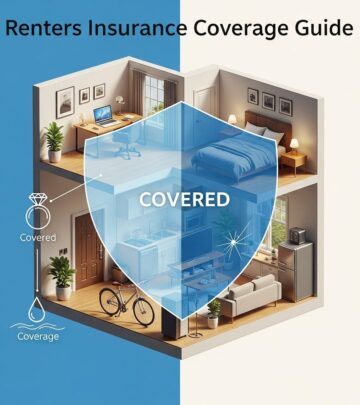
- Personal Property Coverage: Reimburses stolen or damaged items such as electronics, furniture, and clothing.
- Liability Protection: Pays for legal fees and medical costs if you’re sued due to an accident.
- Additional Living Expenses: Covers hotel stays if your rental becomes uninhabitable.
Landlord policies only protect the building structure, leaving tenants’ items vulnerable without their own coverage.
Landlord Perspectives: Requiring Coverage as a Lease Term
Landlords can stipulate renters insurance in lease agreements since no federal or state law prohibits it. This practice protects property owners from tenant-related claims and encourages responsible renting.
Typical requirements include:
- Minimum liability limits of $100,000.
- Proof of coverage via a policy declaration page.
- Renewal verification annually.
Failure to comply can lead to lease violations, late fees, or eviction proceedings, depending on the agreement’s terms.
State-by-State Breakdown: Where Rules Differ
While no state legally requires renters insurance, regulations on landlord enforcement vary. Some impose limits on requirements, while others grant full discretion.
| States with Restrictions | States without Specific Limits |
|---|---|
| California Connecticut Delaware Illinois Maine Maryland Massachusetts New Jersey New York Oregon Rhode Island Vermont Washington | All others, including: Alabama Florida Texas Georgia Ohio Pennsylvania |
In restricted states, laws may cap liability amounts, require advance notice, or ban landlords as beneficiaries, promoting fairness. In unrestricted states, landlords set terms freely if disclosed upfront, common in urban markets.
Coverage Essentials: What to Include in Your Policy
Standard policies bundle three main components. Tailor amounts to your needs—assess belongings’ value and local risks.
| Coverage Type | Typical Limits | What It Covers |
|---|---|---|
| Personal Property | $15,000–$30,000 | Stolen, damaged, or destroyed items |
| Liability | $100,000+ | Injuries or property damage to others |
| Loss of Use | 20–30% of property coverage | Temporary housing costs |
Landlords often recommend $100,000 liability minimums to mirror common claims. Add riders for high-value items like jewelry or bikes.
Average Costs and Savings Strategies
Premiums average $15–$30 monthly nationwide, varying by location, coverage, and deductibles. Urban areas with higher crime see elevated rates.
- Bundling: Pair with auto insurance for 10–25% discounts.
- Claims-Free History: Lowers premiums over time.
- Security Features: Deadbolts or alarms qualify for reductions.
- Higher Deductible: Increases savings but raises out-of-pocket costs.
Shop multiple providers for quotes—affordability shouldn’t compromise protection.
Shared Rentals: Roommates and Policy Nuances
In roommate situations, each tenant typically needs individual policies. One policy might not suffice for everyone’s belongings, risking coverage gaps.
Key considerations:
- Each person’s liability is separate—don’t rely on a roommate’s plan.
- Landlords may require all tenants to provide proof.
- Joint leases amplify the need for comprehensive coverage.
Discuss with roommates upfront; separate policies prevent disputes during claims.
Steps for Tenants: Securing and Maintaining Coverage
1. Review your lease for insurance clauses.
2. Inventory possessions with photos and receipts.
3. Obtain quotes from 3+ insurers.
4. Submit proof to landlord before move-in.
5. Set calendar reminders for renewals—lapses violate leases.
Landlord Best Practices for Implementation
Clearly outline requirements in leases, specifying limits and proof methods. Provide resources for affordable options to ease tenant compliance.
Benefits include:
- Reduced liability exposure.
- Fewer disputes over damages.
- Attracting responsible tenants.
Consult local laws to ensure enforceability.
Frequently Asked Questions
Is renters insurance required by law?
No U.S. state mandates it, but leases often do.
Can landlords force me to buy it?
Yes, as a lease condition, with state-specific limits.
What if I have roommates—do we all need policies?
Generally yes, for full protection of individual items and liability.
How much liability coverage do I need?
$100,000 minimum is standard; more for high-risk areas.
Does it cover floods or earthquakes?
No—add separate riders or federal flood insurance.
What happens if my policy lapses?
You risk lease violation, fees, or eviction.
Alternatives When Insurance Isn’t Feasible
If costs are prohibitive, negotiate with landlords for waivers (rare) or seek low-income assistance programs. Self-insuring via savings is risky—policies offer far better value.
Non-profits and state housing agencies sometimes subsidize premiums for eligible renters.
Long-Term Benefits Beyond Compliance
Beyond meeting lease terms, renters insurance fosters financial security. It covers unexpected events like burst pipes or guest injuries, preventing debt spirals.
For landlords, it streamlines claims and preserves tenant relationships. In competitive markets, offering guidance on policies differentiates properties.
Choosing the Right Provider
Compare based on customer service, claims handling, and local expertise. Reputable insurers like Progressive, GEICO, and Allstate offer state-specific guidance.
Read reviews, check financial stability ratings, and confirm coverage aligns with lease demands.
References
- Which states limit renters insurance requirements and which do not — KRDO / Stacker Money. 2026-01-09. https://krdo.com/stacker-money/2026/01/09/which-states-limit-renters-insurance-requirements-and-which-do-not/
- Renters Insurance Requirements by State — Progressive. Accessed 2026. https://www.progressive.com/answers/state-renters-insurance-requirements/
- Renters insurance requirements by state — Liberty Mutual. Accessed 2026. https://www.libertymutual.com/property/renters-insurance/state
- Renters Insurance Requirements: How Much Should Landlords Ask For — HomeRiver Group. Accessed 2026. https://www.homeriver.com/blog/renters-insurance-requirements-how-much-should-landlords-ask-for
- Renters Insurance Coverage by State — Allstate. Accessed 2026. https://www.allstate.com/renters-insurance/state-coverage
- As a Landlord, Can I Require My Tenants to Have Renters Insurance? — Travelers Insurance. Accessed 2026. https://www.travelers.com/resources/home/landlords/can-a-landlord-require-renters-insurance
- Renters Insurance Requirements by State — GEICO. Accessed 2026. https://www.geico.com/renters-insurance/states/
Similar Articles








Read full bio of medha deb