Understanding Renters Insurance Exclusions
Discover what renters insurance doesn't cover and protect your finances
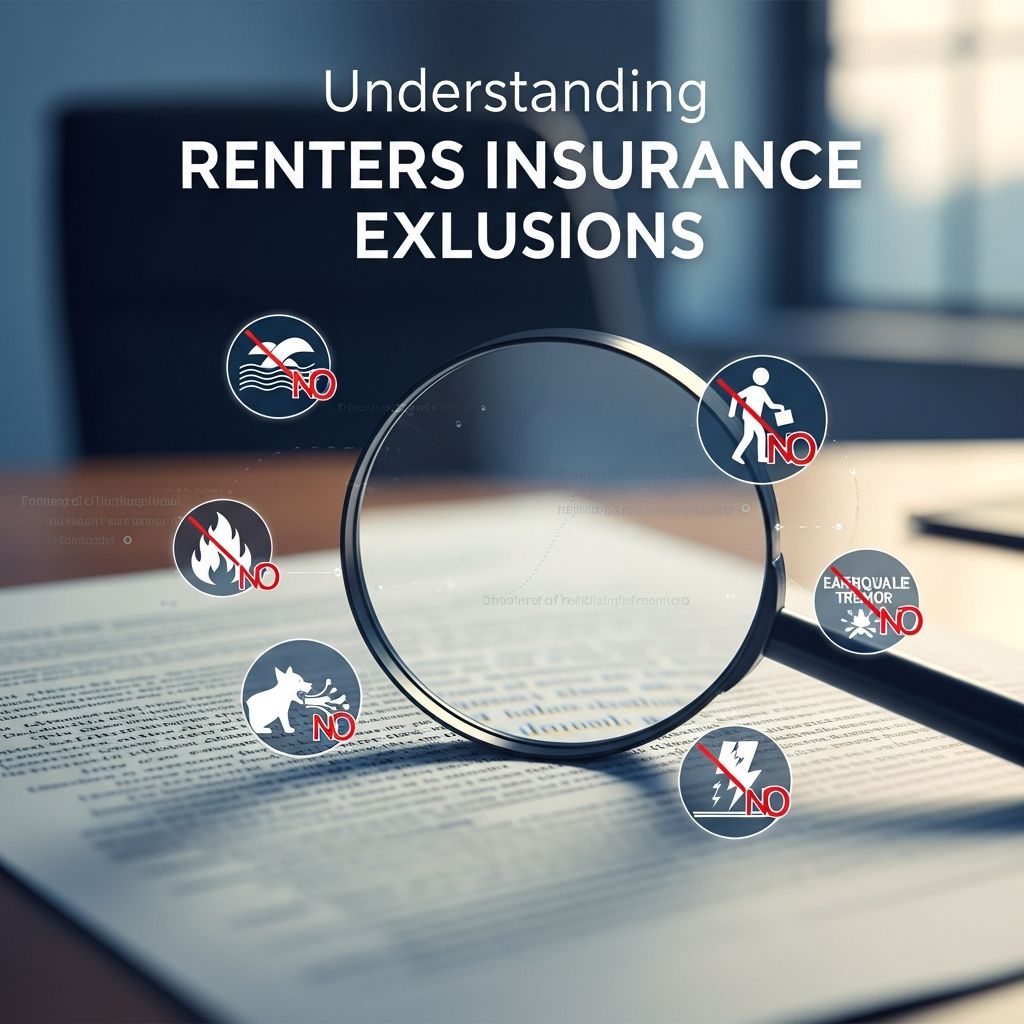
Renters insurance serves as a critical financial safety net for those living in rental properties, offering protection against theft, fire, and liability claims. However, many renters operate under the misconception that their policy covers all possible losses and damages. The reality is far more nuanced. While renters insurance provides valuable coverage in numerous scenarios, it contains significant exclusions and limitations that every renter should understand. This comprehensive guide explores the boundaries of renters insurance protection, highlighting what falls outside typical policy terms and how you can better protect yourself from unexpected financial hardship.
The Fundamental Coverage Scope
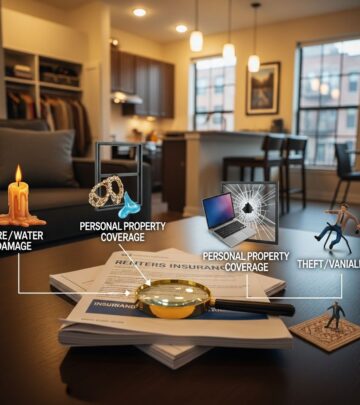
Before examining exclusions, it’s important to understand what renters insurance typically encompasses. Standard policies generally include protection for personal belongings against perils such as fire, smoke, theft, vandalism, and weather-related damage like wind and hail. Additionally, renters insurance provides liability coverage, protecting you if someone is injured in your rental unit or if you accidentally damage someone else’s property. Loss-of-use coverage, also known as additional living expenses (ALE), helps cover temporary housing costs if your rental becomes uninhabitable due to a covered loss.
Despite this baseline coverage, significant gaps exist between what policies promise and the actual protection they deliver. Understanding these limitations is essential for making informed decisions about your insurance needs and determining whether additional coverage is necessary.
Natural Disasters and Weather-Related Exclusions
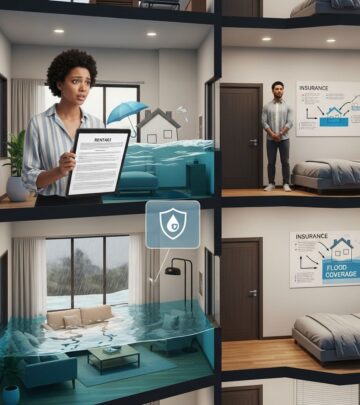
One of the most substantial gaps in renters insurance involves protection from natural disasters. Flood damage represents the most glaring omission from standard renters policies. Flooding is the most common and costly disaster in the United States, yet traditional renters insurance explicitly excludes coverage for flood-related losses. This exclusion applies regardless of the flood’s cause—whether it results from heavy rainfall, overflowing rivers, storm surge, or failed drainage systems.
Renters living in flood-prone areas must obtain separate flood insurance through the National Flood Insurance Program (NFIP) to protect their belongings. Contents coverage through NFIP can provide up to $100,000 in protection, covering items such as clothing, furniture, electronics, and artwork stored above the lowest elevated floor of the rental unit.
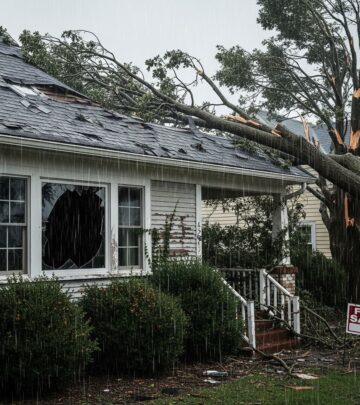
Earthquake damage presents another significant exclusion. Standard renters policies do not cover losses resulting from earthquakes or ground movement, leaving renters in seismically active regions financially vulnerable. Renters in areas prone to seismic activity must purchase separate earthquake insurance endorsements to fill this coverage gap. Similarly, while some policies cover wind and hail damage, they may exclude losses from hurricanes or severe windstorms in particularly high-risk areas.
Business Activities and Commercial Use
A frequently overlooked exclusion involves damage or losses related to business activities conducted from the rental unit. If you operate a home-based business—whether it’s freelance work, e-commerce, consulting, or any commercial enterprise—standard renters insurance likely excludes coverage for equipment, inventory, or liability related to that business. This exclusion becomes particularly relevant for short-term rental hosts. Individuals who rent out their apartment or portion of their rental unit for short-term stays typically face denied claims and reduced liability coverage because such activity constitutes commercial use, which falls outside standard residential policy parameters.
The distinction between personal use and commercial activity is crucial. Simply working from home generally doesn’t trigger this exclusion, but storing significant inventory, operating machinery, or inviting customers to your rental unit may activate it. Renters with home-based businesses should discuss their specific situation with their insurance agent and consider obtaining a separate business insurance policy or a rider to their renters policy.
High-Value Items and Coverage Limits
Renters insurance policies typically establish maximum payout limits for specific categories of belongings, creating another important exclusion area. Jewelry, watches, furs, and fine arts often have significantly lower coverage limits than the overall policy limit. For example, while your policy might cover $30,000 in total belongings, jewelry coverage might be capped at $1,500.
Additionally, certain high-value items such as firearms, collectibles, or expensive electronics may require separate documentation or scheduling. Without scheduling these items individually, they may not be adequately protected. Renters with valuable possessions should review their policy documents carefully and discuss scheduling options with their insurance provider to ensure adequate coverage levels.
Off-Premises Coverage Limitations
Most renters insurance policies restrict coverage for belongings stored or used outside the rental unit. Items left in storage units, on balconies, decks, or in common areas of the apartment building often receive reduced or no coverage. Similarly, belongings stolen from your vehicle or left in public spaces may not be covered or may have substantially lower limits than items inside your rental unit.
This limitation creates practical challenges for renters who store seasonal items, outdoor furniture, or equipment outside their living space. The reduced coverage for off-premises items reflects insurers’ assessment that items outside locked residential spaces face greater risk. Renters relying on external storage should clarify coverage limits with their insurer and consider whether additional protection is warranted.
Additional Living Expense Caps and Duration Limits
While loss-of-use coverage helps renters afford temporary housing after a covered loss, this protection often includes restrictive caps and duration limits. Many policies establish maximum dollar amounts for additional living expenses—for instance, $12,000 in total reimbursement—or limit coverage duration to 12 months. In high-cost urban areas where temporary rental rates exceed $4,000 monthly, a $12,000 cap provides only three months of housing assistance.
These limitations create significant vulnerability for renters in expensive metropolitan areas or facing extended reconstruction periods. A major fire or other covered disaster requiring months of repairs could leave renters financially exposed once policy limits are exhausted. Before selecting a renters insurance policy, evaluate whether ALE limits align with the actual cost of comparable temporary housing in your geographic area. If current limits appear insufficient, request higher coverage limits during policy customization.
Negligence and Intentional Acts
Renters insurance policies universally exclude coverage for losses resulting from the policyholder’s negligence or intentional actions. If you intentionally cause damage to your rental unit or your belongings, the insurance company will not reimburse you. Similarly, damage resulting from gross negligence—such as leaving candles unattended or failing to maintain smoke detectors—may trigger exclusions or claim denials.
This exclusion reinforces the principle that insurance protects against unexpected misfortune, not self-inflicted harm or failure to exercise reasonable care. Maintaining your rental in good condition and following basic safety practices helps ensure that losses qualify for coverage and protects your claim eligibility.
Damage from Wear and Tear
Standard renters insurance does not cover damage resulting from normal wear and tear, aging, or deterioration of belongings. If your refrigerator fails due to age, your laptop stops working from extended use, or your furniture becomes worn from regular sitting, these losses fall outside insurance coverage. The policy distinguishes between sudden, accidental damage and gradual deterioration or mechanical failure.
This exclusion reflects the insurance industry’s fundamental principle that policies cover unexpected events, not inevitable consequences of ownership and use. Renters should budget for routine maintenance and replacement of aging possessions as separate household expenses, distinct from insurable losses.
Roommate Liability and Landlord-Tenant Relationships
Renters insurance policies contain specific exclusions related to roommate situations and landlord-tenant disputes. Coverage for damage caused by roommates or other occupants is limited or excluded entirely. If your roommate damages your belongings or causes injury to a third party, your renters insurance may not respond to the claim.
Similarly, disputes between landlords and tenants, including damage disputes or disagreements over security deposit deductions, generally fall outside insurance purview. The landlord-tenant relationship involves contractual obligations and legal frameworks distinct from insurable losses. Renters in shared housing situations should clarify with their insurer how roommate-related incidents would be handled and consider establishing clear communication with roommates about property damage responsibility.
Coverage Gaps from Policy Lapses
A often-overlooked exclusion involves losses occurring during coverage gaps between policies. If your previous renters insurance expires before new coverage begins, any damage or theft occurring during that window remains unprotected, even if only for a brief period. These gaps frequently occur during moves, policy cancellations, or administrative delays. Because renters insurance operates on specific policy periods, no retroactive coverage applies once a lapse occurs.
Many landlords require proof of active renters insurance before providing keys to new tenants, making policy continuity particularly important. Renters should coordinate new policy activation dates carefully and confirm coverage is in force before their lease begins. Even brief interruptions leave belongings, liability exposure, and temporary housing costs completely unprotected.
Essential Considerations for Renters
Understanding renters insurance exclusions empowers you to make strategic decisions about coverage enhancement. Here are critical steps to strengthen your protection:
- Review your policy annually: Your life circumstances change, and outdated policies may not reflect your current needs or valuable possessions
- Schedule high-value items: Jewelry, electronics, and collectibles often require individual scheduling for adequate coverage
- Evaluate ALE limits: Ensure additional living expense caps align with actual temporary housing costs in your area
- Consider supplemental coverage: Flood insurance, earthquake coverage, and business property protection address gaps in standard policies
- Maintain continuous coverage: Avoid policy lapses by coordinating renewal and new policy activation dates precisely
- Clarify off-premises limits: Understand reduced coverage for items stored outside your rental unit
- Document your possessions: Create a detailed inventory with photos and receipts to support claims and ensure adequate coverage levels
Specialized Coverage Solutions
Renters with specific vulnerabilities can address major exclusions through supplemental policies. Flood insurance provides comprehensive protection against water-related losses that standard policies exclude. For renters in earthquake-prone regions, seismic coverage riders offer protection against ground movement damage. Home-based business owners should obtain business property coverage or professional liability insurance. Short-term rental hosts require specific commercial coverage addressing the unique risks of hosting temporary guests.
Additionally, some insurance companies now offer enhanced renters policies that address traditional gaps, such as zero-deductible liability coverage or backdated protection that covers brief lapses between policies. These specialized products come at higher premiums but may provide valuable peace of mind for renters with complex coverage needs.
The Financial Reality of Uninsured Losses
The consequences of underestimating renters insurance exclusions can be severe. A renter whose apartment floods and destroys $15,000 in belongings faces complete financial loss if flood insurance wasn’t obtained. Similarly, a home-based business operator may discover their business equipment isn’t covered when a theft occurs. These scenarios illustrate why understanding exclusions matters far more than simply purchasing the cheapest available policy.
Renters living in hazard-prone areas face particular vulnerability, as gaps in standard coverage can coincide with areas experiencing the highest disaster risk.[10] Climate change is increasing the frequency and severity of weather-related events, making comprehensive coverage more important than ever.
Taking Control of Your Protection
Rather than accepting standard renters insurance as complete protection, treat policy exclusions as a checklist for potential gaps in your coverage. Identify which exclusions apply to your specific situation, assess the financial impact if losses occur in those areas, and determine whether supplemental coverage is warranted. A modest investment in flood insurance, earthquake coverage, or business property protection can prevent catastrophic financial consequences.
Your renters insurance policy should serve as the foundation of your protection, not the complete solution. By understanding what it doesn’t cover and taking proactive steps to address gaps, you can achieve genuine peace of mind knowing your belongings and financial well-being are properly protected.
References
- Renters Insurance: Important Protection, with a Risky Coverage Gap — Federal Emergency Management Agency (FEMA). https://agents.floodsmart.gov/articles/renters-insurance-important-protection-risky-coverage-gap
- What if There’s a Gap in My Renters Insurance Coverage? — Miao Insurance Services. https://www.miaoinsuranceservices.com/blog/what-if-theres-a-gap-in-my-renters-insurance-coverage/
- How to Review Your Renters Policy for 5 Hidden Coverage Gaps — Stacker. https://stacker.com/stories/insurance/how-review-your-renters-policy-5-hidden-coverage-gaps
- Bridging the Short-Term Rental Coverage Gap — Insurance Information Institute (Triple-I). https://insuranceindustryblog.iii.org/bridging-the-short-term-rental-coverage-gap/
- How Does Renters Insurance Work? Understanding Coverage and Limits — GEICO. https://www.geico.com/information/aboutinsurance/renters/how-renters-insurance-works/
- Introducing Zero-Gap Renters Insurance and Compliance — TheGuarantors. https://www.theguarantors.com/zero-gap-renters-insurance-and-compliance
- Renters Vulnerable to Climate Disasters Amid Insurance Gaps — Joint Center for Housing Studies, Harvard University. https://www.jchs.harvard.edu/blog/renters-vulnerable-climate-disasters-amid-insurance-gaps
Similar Articles








Read full bio of Sneha Tete