Renters Insurance Essentials: Complete Guide For Tenants
Discover how renters insurance protects your belongings, finances, and peace of mind without breaking the bank.

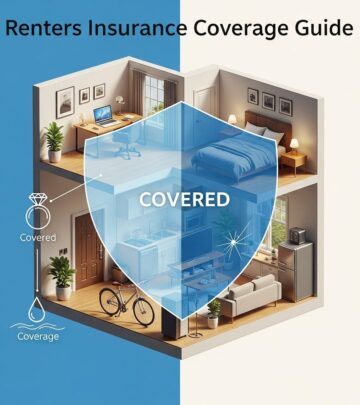
Renters insurance provides crucial financial protection for tenants by covering personal belongings, liability claims, and temporary living costs after covered events. Unlike landlord policies that safeguard building structures, this insurance focuses on your possessions and risks within the rental space.
Why Every Renter Needs This Protection
Many tenants overlook renters insurance, assuming their landlord’s policy covers everything. However, landlord insurance only repairs the property itself, leaving your items vulnerable to theft, fire, or damage. A standard policy safeguards against common risks like fire, theft, and certain water issues, offering peace of mind for a modest fee averaging $15-$30 monthly.
In high-risk areas or litigious societies, liability coverage proves invaluable. If a visitor slips in your unit or your pet damages a neighbor’s property, this protection handles legal fees and settlements up to policy limits, often starting at $100,000.
Core Components of a Renters Policy
A typical renters insurance policy bundles three main coverages: personal property, liability, and additional living expenses (ALE). Personal property reimburses for damaged or stolen items like electronics, furniture, and clothing. Liability protects against lawsuits for injuries or damages you cause. ALE covers hotel stays or meals if a covered peril makes your home unlivable.
- Personal Property: Replaces items lost to fire, theft, vandalism, or windstorms, both at home and away.
- Liability: Covers legal defense and damages if you’re responsible for harm to others or their property.
- Medical Payments: Pays minor medical bills for guests injured in your rental, regardless of fault.
- Additional Living Expenses: Funds temporary housing and essentials during repairs.
Common Perils Covered and Key Exclusions
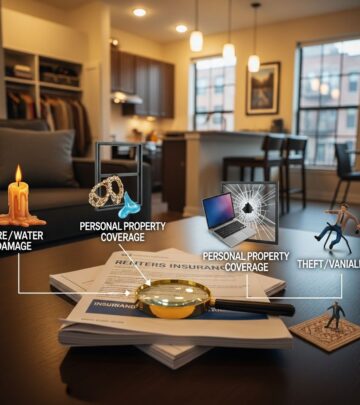
Policies protect against specific “named perils” like fire, smoke, lightning, theft, vandalism, explosions, wind, hail, falling objects, and plumbing bursts. Coverage extends off-premises for theft, such as a stolen laptop from your car.
Exclusions include floods, earthquakes, and normal wear-and-tear. For flood-prone areas, separate federal flood insurance may be necessary. Earthquakes require endorsements or standalone policies. High-value items like jewelry often have sub-limits, needing scheduled personal articles coverage.
| Covered Perils | Typically Not Covered |
|---|---|
| Fire, smoke, lightning | Floods, earthquakes |
| Theft, vandalism | Pest damage, mold |
| Windstorm, hail | Intentional damage |
| Water from leaks/plumbing | Building structure repairs |
Choosing the Right Coverage Amount
Determine personal property needs by inventorying belongings. Estimate replacement costs for furniture ($5,000-$15,000), electronics ($2,000-$10,000), and clothing. Aim for actual cash value (depreciated) or replacement cost (new-for-old) policies; the latter costs more but provides fuller protection.
Liability limits of $100,000-$300,000 suit most, but high-net-worth renters may add umbrella policies for millions more. ALE typically matches 20-30% of personal property limits. Use online calculators or agent consultations for precision.
Average Costs and Savings Strategies
Premiums range $10-$30 monthly, varying by location, coverage levels, and deductibles. Urban areas with higher theft risks cost more. Shop multiple quotes for the best rates.
Lower premiums by bundling with auto insurance, installing smoke detectors/deadbolts, opting for higher deductibles ($500-$1,000), paying annually, or going paperless. Multi-policy discounts can save 10-25%.
- Bundling with auto: Up to 20% off.
- Safety features: 5-15% discounts.
- Higher deductible: Reduces premium by 10-20%.
Types of Renters Insurance Policies
Two main forms exist: named-peril (HO-4) covers listed events like fire/theft, ideal for low-risk areas due to affordability. All-risk or open-peril (HO-6 for condos) covers everything except exclusions, better for comprehensive needs but pricier.
Actual cash value policies depreciate items by age; replacement cost ignores depreciation. Add riders for jewelry, art, or business equipment. Review annually as possessions change.
Filing a Claim: Step-by-Step Process
Report incidents immediately to your insurer. Document with photos, police reports (for theft), and receipts. File within policy timelines (often 1 year). Expect adjusters to assess; payouts follow deductibles. Quick action minimizes disputes.
- Contact insurer within 24-48 hours.
- Secure property and document damage.
- Submit claim form with proof.
- Cooperate with adjuster inspection.
- Receive reimbursement minus deductible.
Special Considerations for Tenants
Roommates need individual policies or joint coverage; don’t rely on one person’s plan. Storage units may qualify if listed. Pets increase liability risks—disclose breeds. Travel coverage applies worldwide for personal property theft.
Landlords can require proof (e.g., Oregon law ORS 90.222), but can’t demand being named insured. International students or military personnel benefit similarly.
Frequently Asked Questions
Does renters insurance cover roommates?
Each roommate should have their own policy to avoid coverage gaps, as standard policies cover named insureds only.
Is my bike or laptop covered away from home?
Yes, portable items are protected against theft or covered perils off-premises, up to policy limits.
What if I have expensive jewelry?
Schedule high-value items via endorsement for full appraised value without sub-limits.
Can I get renters insurance online?
Yes, licensed providers offer instant quotes; compare via agents for bundles.
Does it cover identity theft?
No, but some policies offer add-ons; consider separate identity protection.
Getting Started: Shopping Tips
Compare 3-5 quotes from licensed insurers like those partnering with Freddie Mac guidelines. Ask about discounts, read exclusions, and match coverage to inventory. Renew annually, updating for life changes like new gadgets.
Renters insurance empowers tenants with affordable security. At $15-$30 monthly, it far outweighs potential losses from unforeseen events.
References
- The Comprehensive Guide to Renters Insurance — DBI Agency. 2023. https://dbiagency.com/safeguarding-your-belongings-the-comprehensive-guide-to-renters-insurance/
- A Beginner’s Guide to Renters Insurance — Freddie Mac. 2024-01-15. https://myhome.freddiemac.com/blog/rental-housing/beginners-guide-renters-insurance
- How Much Renters Insurance Do I Need? — Travelers Insurance. 2025. https://www.travelers.com/resources/renters/how-much-renters-insurance-do-i-need
- What is Renters Insurance & How Does it Work? — Progressive. 2024. https://www.progressive.com/answers/renters-101/
- Your Complete Guide to Renter’s Insurance — Hudson Valley Credit Union. 2023-06-01. https://www.hvcu.org/learning-center/your-complete-guide-to-renter%E2%80%99s-insurance/
- Your Renters Insurance Guide — Insurance Information Institute. 2025-02-01. https://www.iii.org/article/your-renters-insurance-guide
- Consumer’s Guide to Renters Insurance — Oregon Department of Consumer and Business Services. 2024. https://dfr.oregon.gov/help/outreach-education/Documents/publications/5525-Renters-insurance.pdf
Similar Articles








Read full bio of medha deb