Complete Guide to Renters Insurance Coverage
Understand what renters insurance protects and how it safeguards your belongings
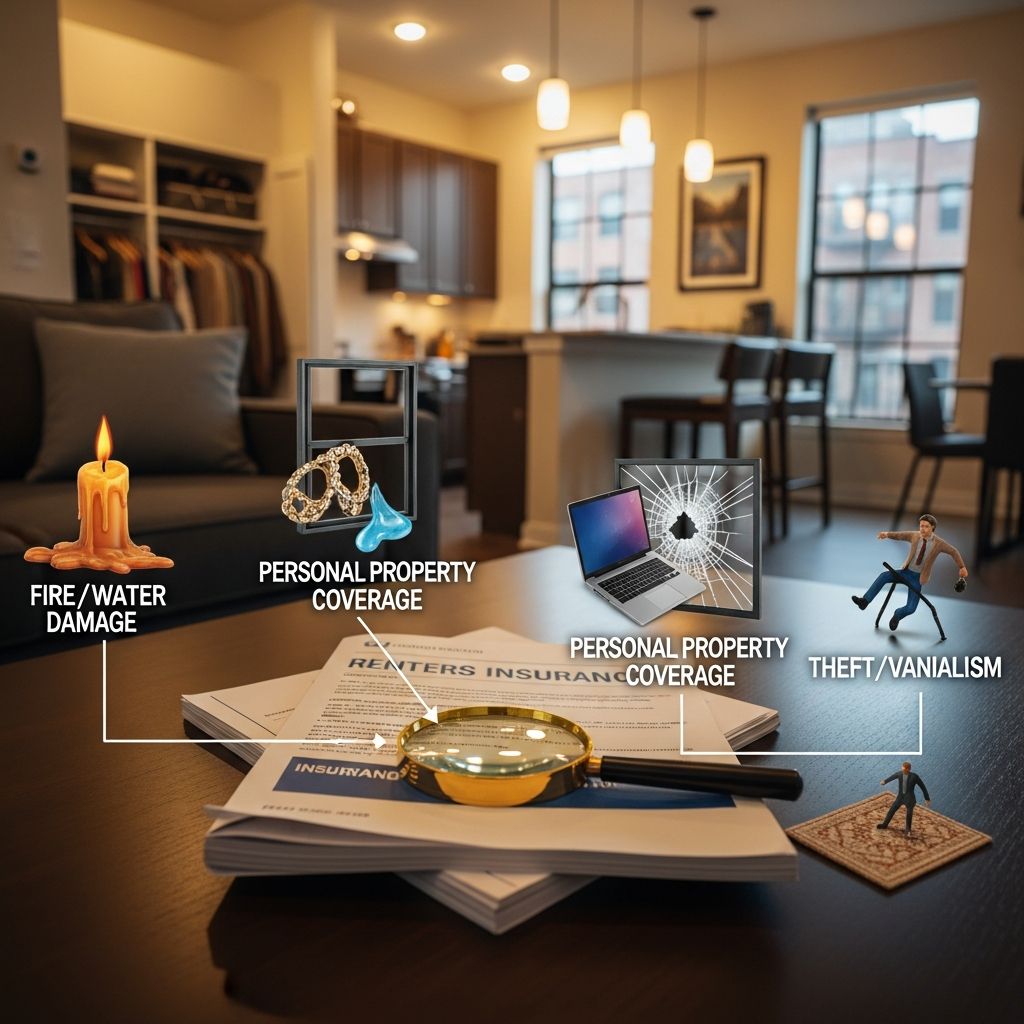
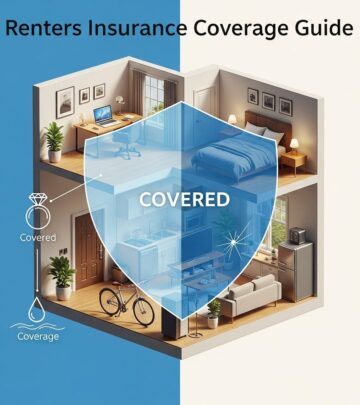
Renting a home or apartment comes with unique financial vulnerabilities. While your landlord’s insurance covers the building structure, it does not extend to your personal belongings or liability protection. This gap is where renters insurance becomes essential. A standard renters insurance policy, formally known as an HO4 policy, provides three fundamental layers of financial protection that work together to safeguard your financial security and peace of mind.
The Three Core Pillars of Renters Insurance Protection
Renters insurance operates on a straightforward principle: it protects what you own and your financial responsibility for accidents involving others. Understanding these three primary coverage areas helps you determine the appropriate level of protection for your specific situation.
Protecting Your Belongings Through Personal Property Coverage
Personal property coverage forms the foundation of most renters insurance policies. This coverage reimburses you when your belongings are damaged, destroyed, or stolen due to covered perils. One significant advantage of this coverage is its breadth—it extends beyond your rental unit’s walls.
Your policy protects items even when they’re away from your residence. If your laptop is stolen from your vehicle, your phone disappears while traveling, or your camera is damaged during a move, personal property coverage can help you recover financially. This portability makes renters insurance exceptionally valuable for people who own valuable items they transport regularly.
Most standard policies cover common perils that threaten rental properties, including:
- Fire, lightning, and electrical damage from malfunctioning appliances
- Windstorms, hail, and severe weather damage
- Theft and burglary losses
- Vandalism and malicious mischief
- Smoke damage from various sources
- Water damage from burst pipes, frozen plumbing, or heating system failures
- Explosion and accidental discharge incidents
- Weight of snow, ice, or sleet causing damage
- Falling objects and structural damage
The coverage amount you select determines your reimbursement limit. Policies allow you to customize this amount based on your possessions’ total value and your budget. The average renter maintains approximately $24,278 in personal property, though your situation may differ significantly.
Financial Protection Through Liability Coverage
Personal liability protection addresses one of renters’ often-overlooked vulnerabilities: legal responsibility for others’ injuries or property damage. If a guest is injured in your rental unit due to your negligence or if you accidentally damage someone else’s property, this coverage protects your finances.
Liability coverage extends beyond your residence boundaries. If you accidentally break your friend’s expensive artwork while visiting their home, or your dog injures someone at a public park, liability coverage can help pay for medical expenses and legal defense costs. Without this protection, you could face significant out-of-pocket expenses for medical bills and legal fees if someone sues you successfully.
This coverage typically includes medical payments to others, which automatically pays reasonable medical expenses for injuries that occur on your rental property, even if you’re not legally liable. This provision often prevents minor incidents from escalating into lawsuits, as injuries are addressed quickly and fairly.
Many landlords require tenants to maintain minimum liability limits, particularly if they own pets. Standard policies often provide $100,000 to $300,000 in liability protection, though higher limits are available for increased premiums.
Housing Solutions Through Loss-of-Use Coverage
Loss-of-use coverage, also called additional living expenses coverage, addresses a scenario many renters overlook: what happens when your rental becomes temporarily uninhabitable? Whether a fire makes your unit unsafe, water damage requires extensive repairs, or pest control necessitates fumigation, this coverage helps bridge the gap.
If a covered peril forces you to temporarily relocate, loss-of-use coverage reimburses reasonable additional expenses you incur. This includes hotel accommodations, meals at restaurants, laundry services, and other necessary expenses beyond your normal living costs. If you typically pay $1,500 monthly rent and must stay in a hotel costing $100 per night, the coverage difference is reimbursed.
Coverage limits typically align with a percentage of your personal property coverage or your rental amount, usually ranging from three to six months of additional expenses. This provision ensures you’re not financially devastated by temporary displacement.
Comparing Coverage Valuation Methods
When selecting a renters insurance policy, you’ll encounter two distinct approaches to calculating reimbursement amounts: replacement cost coverage and actual cash value coverage. These methods significantly impact your financial recovery after a loss.
| Coverage Type | How It Works | Best For |
|---|---|---|
| Replacement Cost | Reimburses the full cost of replacing damaged items with new equivalents, regardless of age or original purchase price | Newer items, high-value belongings, comprehensive protection |
| Actual Cash Value | Reimburses the depreciated value of items based on their age and condition at the time of loss | Older items, budget-conscious renters seeking lower premiums |
The distinction matters substantially. If your ten-year-old couch is destroyed in a fire, replacement cost coverage reimburses you for a new couch of similar quality, while actual cash value coverage reimburses the depreciated value of your original couch. Replacement cost policies cost slightly more but provide superior financial protection.
Policy Design Approaches: Named Perils Versus All-Risk Coverage
Renters insurance policies employ different philosophical approaches to determining what qualifies for coverage. These framework differences significantly impact your protection breadth.
Named perils policies cover only specific losses explicitly listed in your policy document. If a particular peril isn’t mentioned, it’s automatically excluded. This approach typically offers lower premiums but narrower protection. Most standard renters policies follow this structure, covering common perils like fire, theft, windstorms, and vandalism while excluding less common events.
All-risk policies take the opposite approach, covering virtually any incident causing loss or damage unless specifically excluded. This comprehensive framework provides broader protection for unexpected situations but commands higher premiums. The policy document outlines exclusions rather than inclusions, inverting the logic of named perils policies.
Your choice between these approaches depends on your risk tolerance, the nature of your belongings, and your budget. Renters with expensive or sensitive equipment may prefer all-risk coverage, while those seeking basic protection at minimal cost often choose named perils policies.
Critical Gaps: What Renters Insurance Does Not Cover
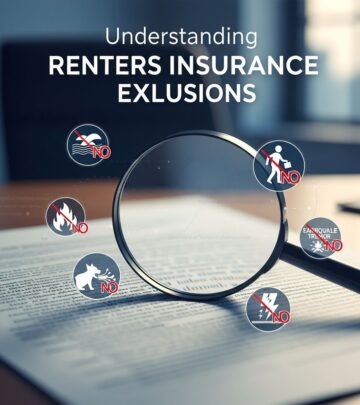
Understanding coverage limitations proves equally important as knowing what is covered. Several common scenarios fall outside standard renters insurance protection:
- Flood damage: Standard policies explicitly exclude flood losses, requiring separate flood insurance through the National Flood Insurance Program
- Earthquake and ground movement: Seismic activity and related damage require endorsement coverage in most policies
- Roommate belongings: Your policy covers only your belongings, not those of roommates or co-tenants
- Vehicle damage: Damage to your car, motorcycle, or other vehicles requires auto insurance
- Pest and vermin damage: Damage from insects, rodents, or animals typically falls outside coverage
- Wear and tear: Gradual deterioration is excluded; coverage applies only to sudden, accidental losses
- Business property: Items used for business purposes usually require separate business insurance
- High-value collections: Items like jewelry, art, firearms, or collectibles often have special limits requiring additional riders
Enhancing Protection Through Policy Riders and Endorsements
Standard policies may not fully address your specific circumstances. Insurance companies offer additional protections through riders and endorsements that modify your base policy.
Scheduled personal property riders provide enhanced coverage for specific high-value items. If you own an expensive engagement ring, camera equipment, or jewelry collection, these items may have limited coverage under your base policy. A scheduled property rider allows you to list specific items with declared values, ensuring full replacement cost coverage even if items exceed standard sublimits.
Pet liability riders expand your liability protection for pet-related incidents. While your base policy may cover some pet damage, a dedicated pet rider specifically covers medical expenses and legal fees if your pet injures someone or damages their property. Given increasing litigation around pet incidents, this protection provides valuable peace of mind for pet owners.
Water backup coverage addresses damage from sewage backup or sump pump failure, situations excluded from standard policies. If your rental experiences internal water damage from these sources, backup coverage activates to provide protection.
Additional riders address specialized needs like earthquake coverage, identity theft protection, and emergency assistance services. Reviewing your specific situation helps identify which riders provide meaningful protection without unnecessary expense.
Affordability and Accessibility Considerations
Renters insurance remains remarkably affordable compared to homeowners insurance and other property coverage. The average renters insurance policy costs approximately $16 monthly, making comprehensive protection accessible to virtually all renters regardless of budget constraints.
Your actual premium depends on several factors including your location’s crime rates and disaster exposure, your chosen coverage limits, your deductible amount, and your personal claims history. Urban areas with higher theft rates typically command higher premiums than rural locations. Choosing higher deductibles reduces monthly costs but increases your out-of-pocket responsibility during claims.
Many landlords require tenants to purchase renters insurance as a lease condition. Rather than viewing this requirement negatively, consider it confirmation that the protection deserves priority in your rental budget. The modest monthly expense provides substantial financial security.
Determining Appropriate Coverage Levels
Selecting coverage amounts requires honest assessment of your possessions’ value. Many renters underestimate what they own until forced to consider replacement costs.
Begin by inventorying major items: furniture, electronics, clothing, and valuables. Consider replacement costs, not original purchase prices. A five-year-old television that cost $800 might now cost $400 to replace, but a television purchased today might cost $600 for equivalent quality. Build your coverage amount around current replacement values.
Account for items you own that aren’t immediately visible: books, kitchenware, bedding, and clothing accumulate significant value across large quantities of lower-priced items. Photography and video documentation of your possessions creates valuable loss records for insurance claims.
For liability coverage, consider your financial assets and potential lawsuit exposure. If you own significant assets or live in a higher-risk environment, higher liability limits provide proportional protection. If sued and found liable, liability coverage protects your wages and future earnings from judgment collection.
Frequently Asked Questions About Renters Insurance
Is renters insurance legally required?
Renters insurance is not legally mandated by state law, but many landlords and property management companies require it as a lease condition. Even when optional, the affordable protection makes it prudent financial planning for most renters.
Does renters insurance cover my roommate’s belongings?
No. Your renters insurance policy covers only your personal belongings and your liability. Your roommate should maintain their own separate renters insurance policy for their possessions and liability protection.
What happens if I don’t have renters insurance and experience a loss?
Without renters insurance, you bear full financial responsibility for replacing lost, damaged, or stolen belongings. Your landlord’s insurance covers only the building structure, leaving your personal property unprotected. A single significant loss could cause substantial financial hardship.
Can I increase my coverage limits mid-policy?
Yes, most insurers allow coverage adjustments during your policy period. If you acquire significant new items or realize your existing limits are inadequate, contact your insurer to discuss increasing coverage. Premium adjustments apply to the remainder of your policy period.
How do insurance companies calculate personal property values for claims?
Under actual cash value policies, adjusters consider the item’s age, condition, and remaining useful life to determine depreciated value. Under replacement cost policies, they determine what it costs to replace the item with equivalent new merchandise. Detailed documentation and receipts support your claim value.
Renters insurance represents one of the most cost-effective financial protection strategies available to tenants. By combining personal property coverage, liability protection, and loss-of-use support into a single affordable policy, renters can shield themselves from potentially devastating financial consequences. The modest monthly investment provides substantial peace of mind knowing that unexpected disasters won’t derail your financial security or force you to absorb replacement costs alone.
References
- Types of Renters Insurance — Policygenius. https://www.policygenius.com/renters-insurance/types-of-renters-insurance/
- Renters Insurance: What Does It Cover and How Much Does It Cost? — Texas Department of Insurance. https://www.tdi.texas.gov/tips/renters-insurance.html
- State Farm Renters Insurance Coverage — State Farm. https://www.statefarm.com/insurance/renters/coverage-options
- What Does Renters Insurance Cover in 2026? — Lemonade. https://www.lemonade.com/renters/explained/what-is-renters-insurance-and-whats-covered/
- What is Renters Insurance and What Does it Cover? — GEICO. https://www.geico.com/information/aboutinsurance/renters/
- What is Renters Insurance & How Does it Work? — Progressive. https://www.progressive.com/answers/renters-101/
Similar Articles








Read full bio of medha deb