Rental Scams: How to Spot and Avoid Them
Protect yourself from rental fraud with essential tips on spotting red flags, verifying listings, and safeguarding your money in today's housing market.

Rental scams are on the rise, preying on eager renters in competitive housing markets. Scammers use fake listings, stolen photos, and urgent tactics to steal deposits and personal information. By recognizing red flags like unrealistically low rents and pressure to pay quickly, you can protect yourself and find legitimate rentals safely.
What Are Rental Scams?
Rental scams involve fraudsters advertising nonexistent or unavailable properties to trick renters into sending money. They often copy legitimate listings from sites like Zillow or Craigslist, alter details, and demand upfront payments via untraceable methods like wire transfers or gift cards. These schemes thrive in high-demand areas where renters feel desperate. According to consumer protection reports, victims lose thousands annually, but awareness and verification can prevent most cases.
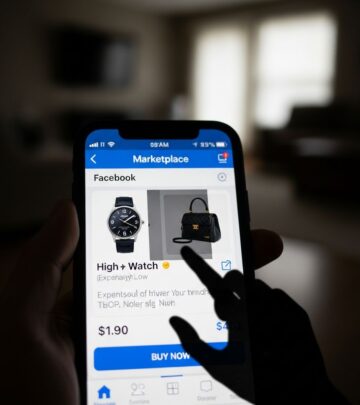
Scammers target platforms like Facebook Marketplace, Craigslist, and even reputable sites by posting duplicate ads. They may pose as out-of-town owners or property managers, claiming urgency due to travel or multiple interested parties. Never rush into a deal—legitimate landlords allow time for inspections and leases.
Common Signs of Rental Scams
Spotting fraud early is key. Here are the most frequent red flags drawn from expert analyses:
- Unrealistically low rent: If the price is far below market rates for similar properties, it’s likely a scam. Compare with local listings on sites like Zillow.
- Copied or vague listings: Photos with watermarks from other sites, duplicate ads with different contacts, or missing details like exact address or amenities.
- No in-person tours allowed: Excuses like ‘owner out of town’ or insistence on virtual-only views without verification.
- Pressure to pay immediately: Demands for deposits via Zelle, Venmo, wire, cash, or crypto before seeing the property or signing a lease.
- Requests for personal info upfront: Asking for SSN, bank details, or application fees without a formal process.
- Poor grammar or errors: Listings with typos, bad photos, or inconsistent details signal non-professionals.
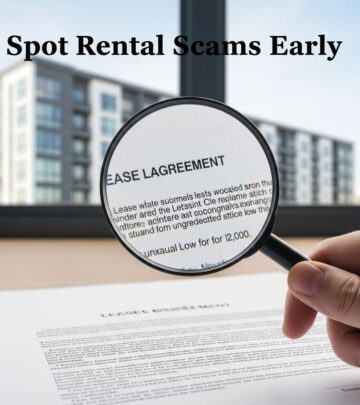
- No lease provided: Verbal agreements or incomplete documents that leave you unprotected.
These signs appear across sources, with low rent cited as the top indicator in nearly every report.
Popular Rental Scam Tactics
Scammers employ sophisticated methods to appear legitimate:
- Listing duplication: They steal photos and descriptions from real ads, changing only price and contact info. Search the address online—if it appears elsewhere with different details, walk away.
- Overpayment scheme: ‘Accidentally’ send more than the deposit via check, then request a refund of the difference via wire—reverse the transaction later.
- Fake urgency: Claims of ‘first come, first served’ or multiple offers to rush you into paying without checks.
- Spoofed contacts: Emails or texts mimicking official property management with slight variations.
| Tactic | How It Works | Red Flag |
|---|---|---|
| Low Rent Lure | Advertise 30-50% below market | Too good to be true pricing |
| Phantom Property | Use stock or stolen photos | No live tour offered |
| Upfront Payment Trap | Demand deposit pre-lease | Untraceable methods like wire |
| Overpayment Fraud | Refund excess via irreversible transfer | Requests for money back |
How to Protect Yourself from Rental Scams
Follow these proven steps to stay safe:
- Research thoroughly: Google the address, owner, and listing. Check public records for ownership via county tax sites. Verify on the property management’s official site.
- Insist on in-person or live video tours: Never pay without seeing the property. Ask a friend if remote.
- Secure a written lease: Review terms for rent, duration, deposits, and responsibilities before any payment. Use e-sign only after verification.
- Use safe payments: Pay via check or platform escrow after lease signing. Avoid wire, crypto, gift cards, or apps like Zelle for strangers.
- Work with reputable sources: Stick to established platforms and companies. Read reviews and use official contacts.
- Slow down: Ignore pressure. Legit deals wait for due diligence.
For property owners: Screen tenants rigorously, use fraud-detecting platforms, and never share sensitive info early.
What to Do If You Spot a Scam
Act quickly to protect others:
- Report to the listing site (e.g., Craigslist, Facebook) for removal.
- Contact local law enforcement where the property is listed.
- File with FTC at ReportFraud.ftc.gov and IC3.gov for internet crimes.
- If scammed, contact your bank immediately for reversals (best for checks/cards; wires are hard to recover).
Notify Equifax or similar for identity theft monitoring if info was shared.
Rental Scams Statistics
Fraud is surging: In 2023-2025, reports to FTC rose 20% amid housing shortages. Average loss per victim: $1,200-$2,000 in deposits. Hotspots include major cities like NYC, LA, and remote postings. Tech like AI listing generators is worsening the issue, but tools like property verification apps help counter it.
Frequently Asked Questions (FAQs)
Q: What is the most common rental scam?
A: Fake listings with low rent demanding upfront wire transfers or deposits before tours.
Q: Can I trust listings on Facebook Marketplace?
A: Be extra cautious—scammers flock there due to lax verification. Cross-check everywhere.
Q: What if the landlord wants payment via Zelle?
A: Decline unless after in-person lease signing with a trusted party. Use traceable methods.
Q: How do I verify a property owner?
A: Search county records, tax assessor sites, or official management pages for matching details.
Q: What if I already sent money?
A: Contact your bank/police ASAP. Report to FTC and monitor credit.
Q: Are virtual tours safe?
A: Only if live and followed by in-person verification. Pre-recorded videos are easy to fake.
Armed with this knowledge, navigate rentals confidently. Prioritize verification over speed for peace of mind.
References
- Rental Fraud: How to Spot & Avoid Rental Scams — Equifax. 2024. https://www.equifax.com/personal/education/identity-theft/articles/-/learn/how-to-spot-rental-scams/
- How To Avoid Rental Scams — Authenticate. 2024. https://authenticate.com/resources/blog/how-to-avoid-rental-scams
- Avoid Rental Scams — AMC. 2024. https://www.liveamc.com/avoid-rental-scams
- Rental Scams: How to Spot and Avoid Them — CMA. 2024-01-01. https://www.cmhanet.com/media/documents/2024/Rental%20Scams.pdf
- Beware Rental Scams — A+ Federal Credit Union. 2024. https://aplusfcu.org/blog/beware-rental-scams
- Rental Scams: How to Recognize and Avoid Rental Fraud — Zillow. 2024. https://www.zillow.com/learn/how-to-spot-rental-scams/
Similar Articles








Read full bio of Sneha Tete