Rental Damage: Landlord Action Guide
Master the steps to handle rental property damage effectively, from documentation to recovery, ensuring minimal financial loss and legal compliance.
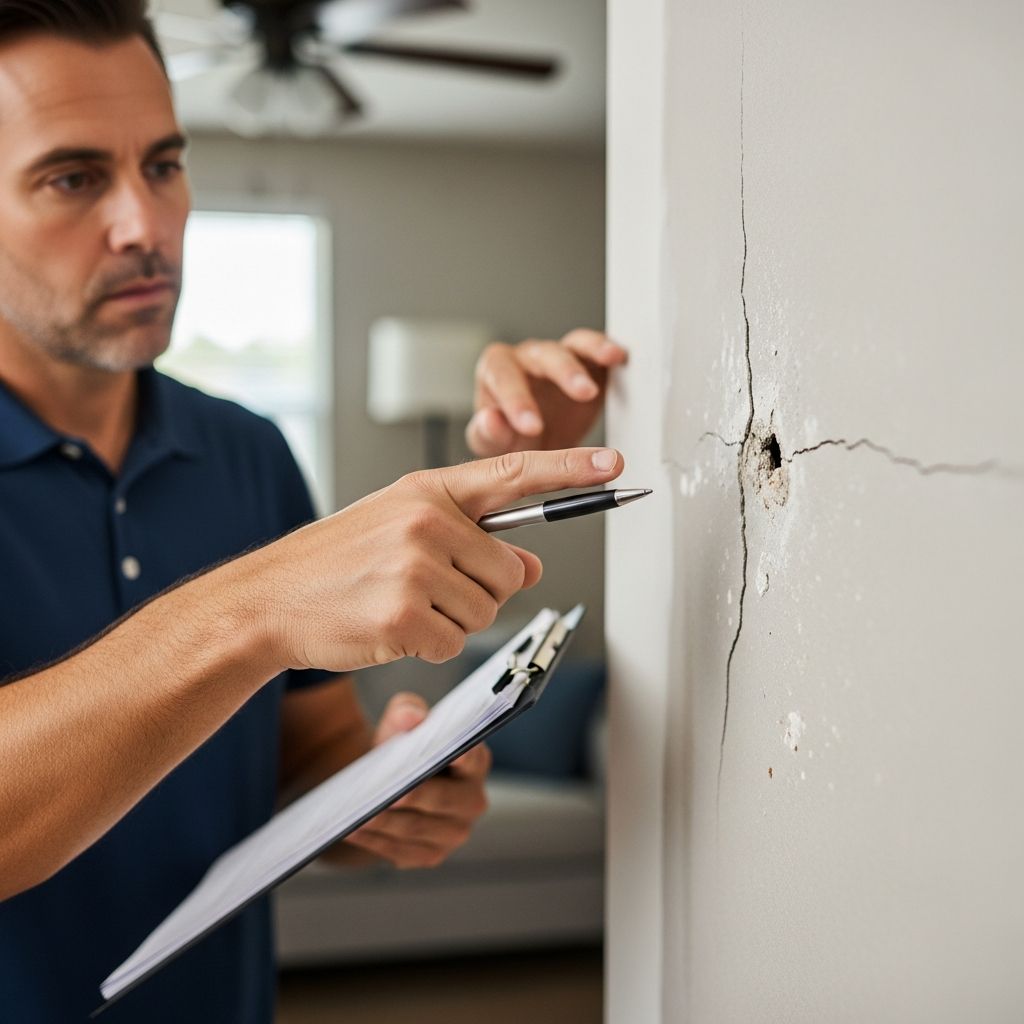
Landlords frequently encounter property damage in rental units, ranging from minor wear to major structural issues. Swift and systematic handling protects investments, maintains tenant relations, and upholds legal obligations. This guide outlines a comprehensive approach to assessing, repairing, and recovering costs from rental property damage.
Initial Response to Property Damage
Upon discovering damage, prioritize safety and containment. Evacuate tenants if hazards like gas leaks or structural instability exist. Shut off utilities to prevent escalation, such as water damage from burst pipes spreading to electrical systems. Notify local authorities if the damage poses public risks, like fallen power lines.
Conduct an immediate walkthrough to gauge severity. Note affected areas: walls, floors, appliances, or exteriors. This first response sets the foundation for all subsequent actions, minimizing further deterioration and associated costs.
Comprehensive Damage Documentation
Thorough records form the backbone of any damage claim or dispute resolution. Capture high-resolution photographs from multiple angles, including close-ups and wide shots for context. Supplement with timestamped videos narrating the inspection process, highlighting specifics like water stains on ceilings or cracks in foundations.
Compare current conditions against pre-tenancy inspections. Reference signed move-in checklists and dated photos to differentiate normal wear from tenant-inflicted harm. Compile a detailed inventory listing each issue, estimated impact, and potential causes. Digital timestamps and cloud storage ensure tamper-proof evidence.
- Photograph before any cleanup or temporary fixes.
- Record measurements of affected areas, e.g., hole dimensions in drywall.
- Include serial numbers for damaged appliances.
- Gather witness statements if multiple parties observed the incident.
Navigating Insurance Claims
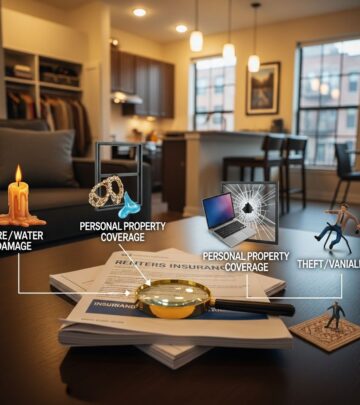
Landlord insurance typically covers perils like storms, fires, or vandalism, but excludes tenant negligence. Promptly report incidents to your provider, supplying documentation within policy timelines—often 30-60 days. Describe the event chronologically, attaching media files via secure portals.
Expect an adjuster visit for independent assessment. Avoid unauthorized repairs, as they may void coverage. If theft or vandalism occurred, obtain a police report number immediately and forward it to insurers. Review policy deductibles; minor damages under this threshold may require out-of-pocket payment.
| Insurance Type | Covers | Excludes |
|---|---|---|
| Landlord Policy | Weather, fire, liability | Tenant negligence, wear/tear |
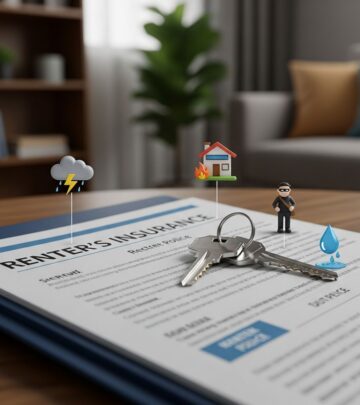
| Renter’s Insurance | Tenant belongings, liability | Property structure |
Obtaining Professional Repair Quotes
Solicit at least three estimates from licensed contractors to ensure competitive pricing and quality. Specify scope: materials, labor, timelines. Property managers often have vetted vendor networks offering discounted rates. Insurers may provide their own assessor quotes; use these as benchmarks.
Factor in warranties and compliance with building codes. For complex issues like roof repairs, prioritize specialists. Retain all quotes, even unused ones, as they demonstrate due diligence in disputes or audits.
Engaging Tenants in Resolution
Deliver written notice via certified mail detailing damages, evidence, and proposed costs. Reference lease clauses on maintenance duties. Invite tenant input on causation—accidental vs. neglectful—to foster cooperation. Propose solutions: direct payment, deposit deduction, or installment plans.
If tenant rent insurance exists, encourage filing their claim. Negotiate amicably; shared responsibility may apply for ambiguous cases like gradual leaks. Document all communications, including call recordings with consent.
Executing Repairs Efficiently
Schedule work respecting tenant rights—most jurisdictions mandate 24-48 hours’ notice for entry. Coordinate with occupants for minimal disruption, perhaps during off-hours. For vacant units, proceed expeditiously to mitigate vacancy losses.
Oversee contractors to verify code adherence and quality. Post-repair, inspect and document restorations with before/after photos. Common fixes include patching drywall (under 8 inches viable DIY; larger needs pros), unclogging drains, or repainting marred surfaces.
Distinguishing Wear vs. Damage
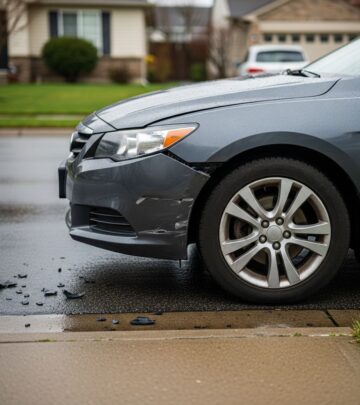
Normal wear—faded paint, minor carpet thinning—falls on landlords; excessive damage like pet scratches or large holes charges to tenants. State laws define thresholds; e.g., California caps normal wear broadly.
| Wear and Tear | Tenant Damage |
|---|---|
| Faint wall marks | Punched holes |
| Carpet matting | Pet urine stains |
| Loose handles | Smashed cabinets |
Security Deposit Management
Within state deadlines (14-60 days post-move-out), itemize deductions with receipts. Forward balance or accounting to tenants. Non-compliance risks full refund mandates plus penalties. For ongoing tenancies, pursue via lease enforcement or small claims if deposits insufficient.
Legal Recourse Options
If costs exceed deposits and evidence implicates tenant negligence, consider collections or lawsuits. Small claims courts handle up to $5,000-$10,000 typically, no attorneys needed. Present lease, docs, estimates, and witness testimony. Mediation services offer cheaper alternatives.
Consult local housing codes; HUD.gov provides state-specific statutes[web:1]. Eviction for repeated damage may apply under habitability clauses.
Preventive Strategies for Future
Robust leases delineate responsibilities, reporting protocols, and penalties. Mandate renter’s insurance. Quarterly inspections catch issues early. Educate tenants via move-in orientations on care expectations.
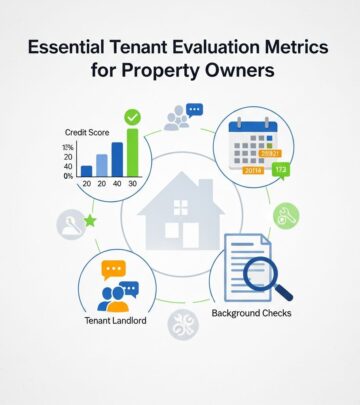
- Screen tenants via credit/background checks.
- Install durable flooring/appliances.
- Build repair reserves (1-2% annual rent).
Frequently Asked Questions
Who pays for storm damage?
Landlord insurance generally covers natural disasters; tenant policies protect contents.
Timeline for essential repairs?
Habitability issues: 24-72 hours; non-urgent: 7-30 days per state laws.
Can I enter without notice for emergencies?
Yes, for imminent threats; otherwise, provide advance notice.
How to handle pet damage?
Enforce pet deposits/fees; deduct proven costs with evidence.
What if tenant refuses payment?
Itemized notice, then collections or court.
Common Rental Damages and Fixes
Water damage risks mold; dry areas 48 hours, remediate small mold per EPA. Electrical faults demand licensed pros. Pests require exterminators. Drywall patches suit small holes; replace large sections.
References
- What to Do if Your Rental Property Is Damaged — Experian. 2023-10-15. https://www.experian.com/blogs/ask-experian/what-to-do-if-rental-property-is-damaged/
- A Private Landlord’s Guide to Rental Property Repairs and Improvements — PayRent. 2024-05-22. https://www.payrent.com/articles/a-private-landlords-guide-to-rental-property-repairs-and-improvements/
- How to Handle Property Damage and Repairs Efficiently — CMC Realty. 2023-11-08. https://cmc-realty.com/how-to-handle-property-damage-and-repairs-efficiently/
- A Landlord’s Guide to Rental Property Repairs: Everything to Know — Blanket Homes. 2024-02-14. https://blankethomes.com/rental-repairs-guide/
- A Landlord’s Guide to Dealing with Tenant-Caused Property Damage — PMI Georgia. 2023-09-20. https://www.pmigeorgia.com/blog/a-landlords-guide-to-dealing-with-tenant-caused-property-damage
- 10 Common Rental Property Repairs Landlords Need to Know About — Travelers Insurance. 2024-01-10. https://www.travelers.com/resources/home/landlords/10-common-rental-property-repairs-landlords-need-to-know-about
- Landlord’s guide for dealing with rental property wear-and-tear — Steadily. 2023-12-05. https://www.steadily.com/blog/dealing-with-rental-property-wear-and-tear-a-landlords-guide
Similar Articles








Read full bio of medha deb