Rent Your Home or Buy: Here’s How to Decide
Unsure whether to rent or buy a home? This comprehensive guide breaks down key factors to help you make the smartest financial and lifestyle choice for your future.
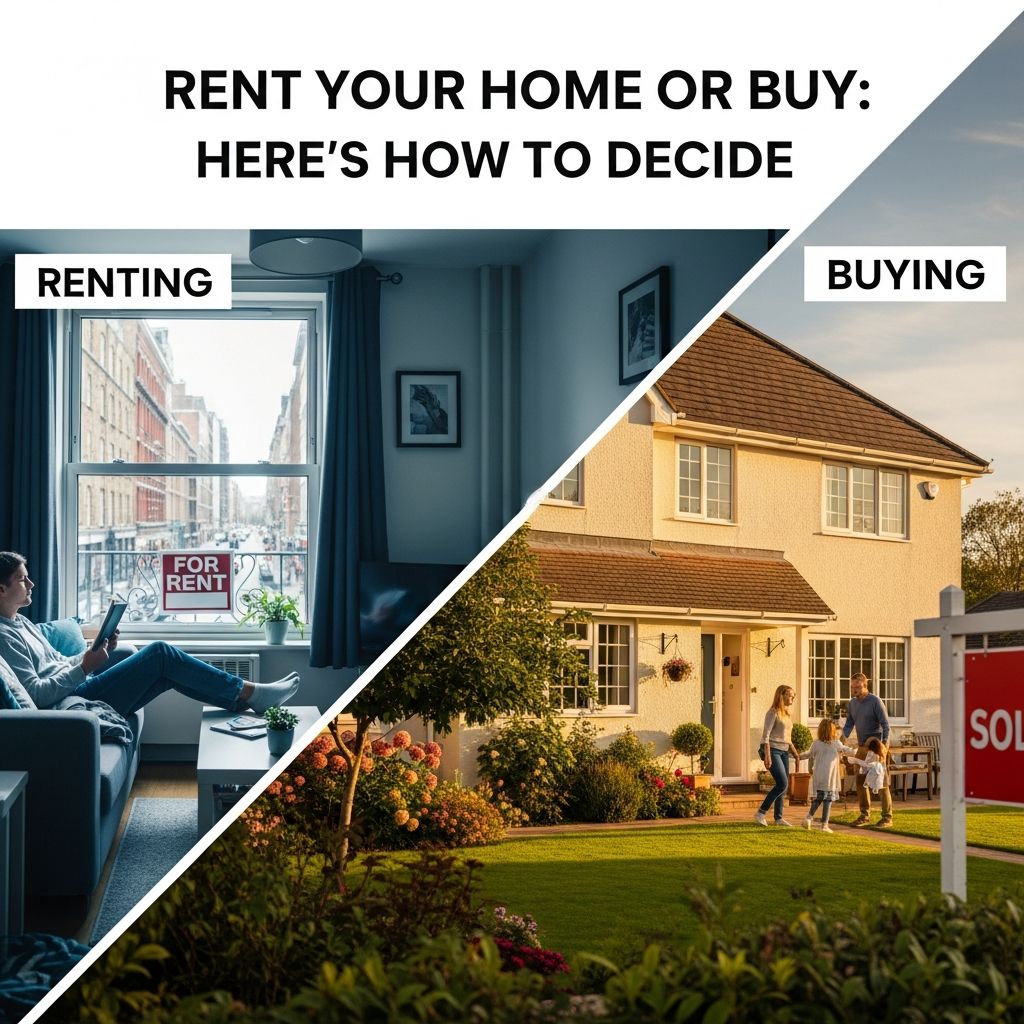
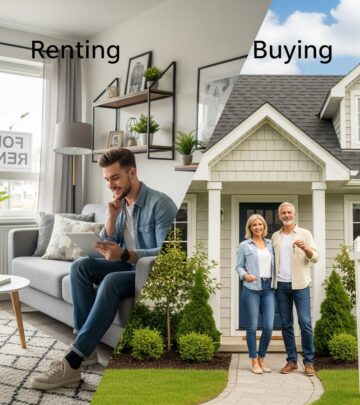
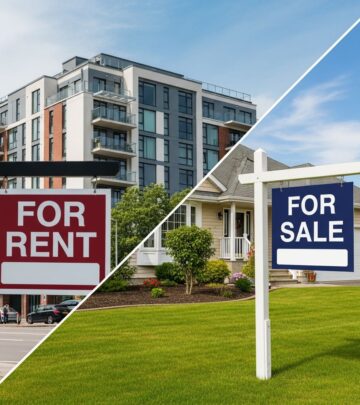
One of the biggest financial decisions you’ll ever make is whether to rent or buy a home. Both options have their advantages and drawbacks, and the right choice depends on your personal circumstances, financial situation, and long-term goals. Renting offers flexibility and lower upfront costs, while buying builds equity and provides stability. This guide covers all essential factors—from financial readiness and market conditions to lifestyle needs and investment potential—to help you decide confidently.
Financial Readiness: Can You Afford to Buy?
The foundation of your decision starts with your finances. Buying a home requires significant upfront costs, including a down payment (typically 3-20% of the home’s price), closing costs (2-5% of the loan amount), and ongoing expenses like mortgage payments, property taxes, insurance, and maintenance. According to financial experts, you should ensure your debt-to-income ratio stays below 36% and have an emergency fund covering 3-6 months of expenses before buying.
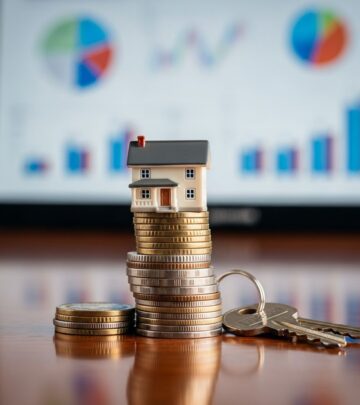
Renting, by contrast, involves lower initial outlays: usually first and last month’s rent plus a security deposit. Monthly rent avoids surprise repair bills, as landlords handle maintenance. However, rent payments don’t build equity, and increases can occur at lease renewal. Use a rent-vs-buy calculator to compare: input your location’s average rent, home price, down payment, and mortgage term to see break-even points. NerdWallet notes that renting can be cheaper short-term, but buying wins over 5-7 years as equity builds.
| Category | Renting ($2,500/mo) | Buying |
|---|---|---|
| Upfront Costs | $7,500 (deposit + first/last) | $100,000 (down + closing) |
| Monthly Payment | $2,500 | $2,800 (P&I + taxes/ins) |
| Annual Maintenance | $0 (landlord pays) | $4,000 (1% of home value) |
| Equity Build (Year 1) | $0 | $10,000+ |
Assess your credit score (aim for 620+ for best rates), stable income, and job security. Wells Fargo emphasizes emotional readiness too—buying involves stress from searches and moves. If finances are tight, renting preserves cash for investments like retirement accounts, potentially yielding higher returns than home appreciation.
Location and Lifestyle: Does It Fit Your Life?
Location profoundly impacts your choice. Proximity to work, schools, public transit, and amenities matters. Urban areas with high costs (e.g., big cities) often favor renting for affordability and access, while suburbs suit families buying for space. HHHunt highlights evaluating daily needs: if you’re near everything as a renter, why commit to ownership?
Lifestyle plays a key role. Families expanding may prefer buying for stability and customization, though larger rentals work too. Singles or young professionals value renting’s freedom to relocate without selling hassles. Fidelity advises considering time spent: homeowners invest weekends in upkeep, renters enjoy leisure. Nonfinancial joys—like pride in ownership or a great rental community—also factor in, per Old National Bank.
- Short-term stay (under 3 years): Rent for low commitment.
- Long-term roots (5+ years): Buy to build equity.
- Frequent moves (job-related): Rent avoids resale risks.
If work demands relocation, renting skews the decision—short assignments favor it, long-term ones enable buying.
Economic and Market Conditions: Timing Is Everything
Housing markets fluctuate, affecting affordability. In high-value, competitive areas, renting avoids overpaying; affordable markets make buying viable. Research local trends: rising prices favor buying to lock in rates, falling ones suit renting to dodge value drops. National Association of Realtors notes competitive markets raise buying barriers like bidding wars.
Interest rates, inflation, and downturns matter. Fixed-rate mortgages offer predictability vs. variable rents. During volatility, renters gain flexibility—home values can fall, trapping owners. As of 2026, monitor Federal Reserve data for rates; historically, buying outperforms renting after 5 years despite upfront costs. Wells Fargo urges checking regional costs and neighborhood fit.
Property investment potential: Homes appreciate (avg. 3-5% annually long-term), building wealth. Renters miss this but avoid risks like market crashes. If investing saved down payment funds at 7% returns, it could rival home equity.
Pros and Cons: Renting vs. Buying at a Glance
| Aspect | Renting Pros | Renting Cons | Buying Pros | Buying Cons |
|---|---|---|---|---|
| Cost | Lower upfront; no maintenance | No equity; rent hikes | Equity growth; tax deductions | High upfront; repairs |
| Flexibility | Easy moves | Lease limits | Stability | Hard to sell |
| Control | Landlord handles fixes | Customization rules | Full freedom | Time/effort intensive |
| Investment | Invest savings elsewhere | Missed appreciation | Wealth building | Market risks |
TurboTax frames it as lifestyle vs. finance: Renting suits mobility, buying long-term security.
Break-Even Analysis and Tools
Calculate break-even: How long until buying costs less than renting? Factor home price, rent, rates, appreciation (3%), and rent growth (3%). NerdWallet’s tool shows buying ahead after 4-6 years typically. Example: $2,500 rent vs. $400K buy—break-even around year 5, assuming 4% appreciation.
- Short horizon: Rent wins.
- Long horizon: Buy leverages equity.
Tax perks for buyers: Mortgage interest and property tax deductions (up to limits). Renters get none but save on insurance/utilities.
Making Your Decision: Key Questions
Weigh these:
- Can you afford 20% down and 28% of income on housing?
- Plan to stay 5+ years?
- Do market conditions favor buying (low rates, stable prices)?
- Prefer stability or flexibility?
- Ready for maintenance ownership?
Hybrid: Rent now, buy later if saving aggressively.
Frequently Asked Questions (FAQs)
Q: Is renting throwing money away?
A: Not necessarily—rent is lower total cost short-term, and savings can be invested for better returns than home appreciation.
Q: When should I buy if rates are high?
A: If staying long-term and prices are stable; otherwise, rent and wait for better conditions.
Q: What’s the ideal down payment?
A: 20% avoids PMI; use calculators for affordability.
Q: Does buying always build wealth?
A: Yes long-term (7+ years), but markets vary—factor appreciation and costs.
Q: Rent or buy in a hot market?
A: Rent for flexibility if competitive; buy if locking in now.
References
- Renting vs. Buying: Five Key Factors to Make the Right Choice — HHHunt. 2023. https://www.hhhunt.com/blog-posts/five-factors-to-consider-when-renting-vs-buying
- Rent vs Buy Calculator — NerdWallet. 2025-10-15. https://www.nerdwallet.com/mortgages/calculators/rent-vs-buy-calculator
- Renting vs Owning: What to Consider Before You Decide — Wells Fargo. 2024-05-20. https://www.wellsfargo.com/mortgage/learn/rent-vs-own-decision/
- Rent vs. Buy: Should I Rent or Buy a Home? — Fidelity Investments. 2025-01-10. https://www.fidelity.com/viewpoints/personal-finance/rent-vs-buy
- Buying vs. Renting a Home: Which Is Right for Your Wallet — Holy Rosary Credit Union. 2024. https://www.hrcu.org/self-service/blog/buying-vs-renting
- Consider These Factors Before Deciding Whether to Rent or Buy — Old National Bank. 2023-11-05. https://www.oldnational.com/resources/insights/consider-these-factors-before-deciding-whether-to-rent-or-buy/
- Buying vs. Renting — National Association of REALTORS®. 2025. https://www.nar.realtor/buying-vs-renting
Similar Articles








Read full bio of medha deb