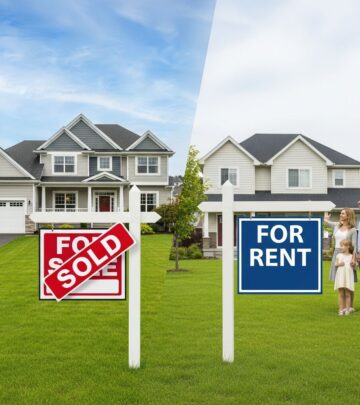
Rent Your Home, Buy a New One: Smart Steps
Unlock financial freedom by turning your current home into a rental income source while securing financing for your next property purchase.

Transitioning from homeowner to landlord while purchasing a second property offers a pathway to building wealth through real estate. This approach allows you to retain equity in your current home, create passive income streams, and expand your portfolio without an immediate sale. By carefully planning the rental conversion and new purchase, individuals can leverage rental income to strengthen their financial profile for additional mortgages.
Evaluating Your Readiness for Dual Property Ownership
Before listing your home for rent or shopping for a new one, assess your capacity to manage multiple properties. Consider your time availability, financial stability, and risk tolerance. Owning rentals involves ongoing responsibilities like maintenance and tenant relations, which demand consistent effort.
- Financial review: Calculate your debt-to-income ratio, ensuring it remains below 43% even after adding rental expenses and a new mortgage payment.
- Time commitment: Determine if you can handle tasks or if property management services are needed, typically costing 8-12% of monthly rent.
- Market analysis: Research local rental demand and home prices to confirm viability in both locations.
Strong cash reserves covering 6-12 months of expenses for both properties provide a safety net against vacancies or repairs. Tools like rental yield calculators help project returns, aiming for at least 1% of property value in monthly rent.
Reviewing Mortgage Rules for Your Current Loan
Existing mortgages often restrict immediate renting. Conventional loans permit it after one year of occupancy, while FHA requires primary residence status initially. VA loans mandate living in the home for 12 months unless under military orders.
| Loan Type | Occupancy Requirement | Rental Permission |
|---|---|---|
| Conventional | 1 year | Allowed after |
| FHA | Primary residence | Strict initial rules |
| VA | 12 months | Exceptions for deployment |
Contact your lender to discuss converting to an investment loan, which may involve higher interest rates of 0.5-0.75% above owner-occupied options. Homeowners associations may impose rental caps or bans, so review covenants thoroughly.
Preparing Your Property for the Rental Market
Transform your home into an appealing rental by addressing wear and tear. Professional cleaning, minor repairs, and fresh paint increase attractiveness and justify higher rents. Stage key areas like kitchens and bathrooms to highlight functionality.
- Inspect HVAC, plumbing, and electrical systems for compliance with local codes.
- Secure smart locks and security cameras for remote monitoring.
- Declutter and depersonalize to help tenants envision their space.
Energy-efficient upgrades, such as LED lighting or low-flow fixtures, reduce utility costs and attract eco-conscious renters. Obtain landlord insurance, which covers property damage and liability beyond standard homeowner policies.
Strategic Pricing to Maximize Income
Set competitive rent by analyzing comparables—similar homes rented recently in your area. Factor in size, condition, amenities, and location perks like proximity to schools or transit. Aim for rent covering 100-120% of your mortgage, taxes, insurance, and 10% maintenance reserve.
According to market surveys, price influences 82% of renter decisions, so balance affordability with profitability. Use the 1% rule: monthly rent should equal 1% of purchase price for positive cash flow. For a $300,000 home, target $3,000 rent.
Finding and Screening Reliable Tenants
Advertise on platforms like Zillow, Apartments.com, and local social media with high-quality photos and virtual tours. Highlight unique features such as updated appliances or yard space.
- Craft listings with clear details: bedrooms, baths, pet policy, lease length.
- Require applications covering credit history (score above 650 ideal), income (3x rent), and references.
- Conduct background and eviction checks via services like TransUnion SmartMove.
Interview top candidates via video calls to gauge fit. Use standardized leases outlining rules, late fees, and maintenance protocols. Security deposits of one month’s rent protect against damages.
Navigating Taxes and Financial Benefits
Rental income is taxable, reported on IRS Schedule E (Form 1040). Deduct expenses like mortgage interest, depreciation, repairs, and property management fees to offset income. Depreciation allows annual deductions of 3.636% of building value over 27.5 years for residences.
If renting with an option to buy, payments count as rental income. Partial ownership requires proportional reporting. Consult a tax professional for strategies like 1031 exchanges if selling later.[IRS Guidelines]
Securing Financing for Your Next Home
Buying a second property while renting the first classifies it as an investment purchase, requiring 15-25% down payment versus 3-5% for primary residences. Lenders evaluate rental income at 75% of gross after reserves, using lease agreements for qualification.
- House hack by living in the new property initially to access better rates.
- Explore portfolio loans from local banks for flexible terms on multiple properties.
- Maintain reserves for 6 months on both mortgages.
Investment properties yield higher returns with cash purchases, avoiding interest costs. Pre-approval strengthens offers in competitive markets.
Choosing the Ideal Investment Property Type
Opt for turnkey properties needing minimal fixes for quick renting. Smaller units (1-2 bedrooms) rent faster due to broader demand, though larger ones offer higher per-unit income with stable long-term tenants.
Avoid co-ops for rentals due to sublet restrictions and fees up to 50% of maintenance. Condos provide investor-friendly policies with predictable rules.
Daily Management and Long-Term Success
Outsource to managers if hands-off, or self-manage via apps for rent collection and maintenance requests. Regular inspections prevent issues. Build emergency funds for vacancies (average 1 month/year) and capex like roof replacements.
Scale by reinvesting profits into additional properties, targeting 8-12% annual returns after expenses.
Frequently Asked Questions
Can I rent my home immediately after buying it?
No, most loans require 1 year occupancy. Check your terms.
How much down payment for an investment home?
Typically 15-25%, higher than primary residences.
What if my tenant damages the property?
Landlord insurance and security deposits cover repairs.
Are rental profits tax-free?
No, report on Schedule E with deductions.
Should I use a property manager?
Yes if inexperienced; they handle 90% of tasks for a fee.
Potential Pitfalls and Mitigation Strategies
Common errors include underpricing, poor screening, and ignoring reserves. Mitigate by thorough market research, robust tenant vetting, and conservative budgeting. Stay compliant with fair housing laws to avoid lawsuits.
References
- Tips on Rental Real Estate Income, Deductions and Recordkeeping — IRS. 2023-01-01. https://www.irs.gov/businesses/small-businesses-self-employed/tips-on-rental-real-estate-income-deductions-and-recordkeeping
- How to Rent Out Your House in 10 Steps — Rocket Mortgage. 2024-05-15. https://www.rocketmortgage.com/learn/how-to-rent-a-house
- Want to Buy an Investment Apartment to Rent Out? — Brick Underground. 2023-11-20. https://www.brickunderground.com/buy/buying-an-investment-apartment-nyc
- Guide to Rentals and Investment Properties — The Mortgage Reports. 2026-01-10. https://themortgagereports.com/guide/rentals-and-investment-properties
- Beginner’s Guide to Rental Property Investing — SmartAsset. 2024-08-05. https://smartasset.com/investing/investing-in-rental-property-for-beginners
Similar Articles








Read full bio of Sneha Tete