Rent-to-Own Trends 2026
Discover how stabilizing rents, falling mortgage rates, and shifting demographics are fueling the rise of rent-to-own programs in 2026.
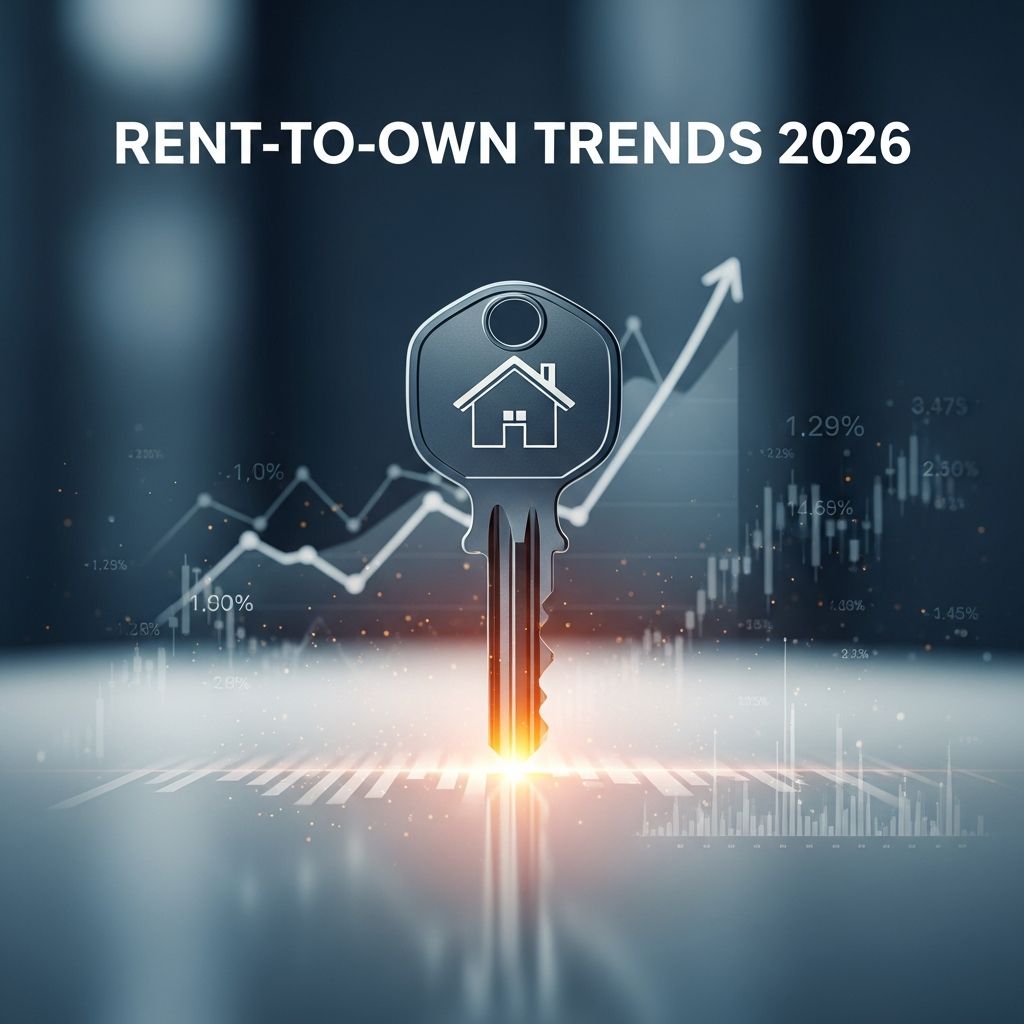
As the housing landscape evolves in 2026, rent-to-own agreements emerge as a compelling pathway for aspiring homeowners. These hybrid arrangements allow renters to lease properties while applying a portion of payments toward a future purchase, bridging the gap between renting and owning amid stabilizing markets.
The Evolving Rental Landscape
Rental markets across the U.S. show signs of moderation in 2026, with national rent increases projected at just 2-3%, aligning closely with inflation rates.Apartment rents remain nearly flat at 0.3% growth due to a surge in multifamily construction, while single-family home rents may rise slightly by 2.3% as families extend their renting periods. In regions like the South and West, robust new supply pushes vacancy rates toward the long-term average of 7.2%, leading to potential rent declines of up to 1% nationally.
This softening creates a pivotal moment for renters. Previously locked out by high costs, many now face clearer choices. Household incomes are outpacing home price growth for the first time since the mid-2010s, enhancing affordability and prompting a shift toward ownership pathways like rent-to-own.
Demographic Shifts Driving Demand
The profile of first-time homebuyers has transformed significantly. The median age now stands at 40 years old, reflecting financial maturity and pent-up demand from Millennials and older Gen Zers who became “accidental renters” during volatile years. These buyers bring stable careers and savings, making them ideal candidates for rent-to-own programs that build equity gradually.
- Older Buyers: Greater savings reduce down payment barriers.
- Family Renters: Now 37% of renters have children under 18, up 4 points, seeking stable homes with kid-friendly features.
- Pent-Up Demand: NAR data highlights sustained desire for ownership when conditions align.
Rent-to-own appeals here by offering a trial period for homeownership without immediate full commitment.
How Rent-to-Own Works in Practice
Rent-to-own, or lease-option agreements, split payments into rent and an option credit, typically 1-5% of the home’s price, held toward purchase. Buyers lock in a price upfront, protecting against appreciation, while testing the property and neighborhood.
| Aspect | Rent-to-Own | Traditional Rent | Direct Buy |
|---|---|---|---|
| Monthly Cost | Higher (includes credit) | Lower, rising annually | Fixed mortgage |
| Equity Build | Partial via credits | None | Full principal paydown |
| Risk Level | Medium (option fee at risk) | Low | High upfront |
| 2026 Advantage | Rate lock at ~6% | Stabilizing but no wealth | Improved inventory |
In 2026, with 30-year mortgage rates steady at 6.3%—down from 2025’s 6.6%—these deals hedge against future hikes.
Market Forces Boosting Rent-to-Own Adoption
Inventory recovery plays a key role, up 9% year-over-year by late 2025, thawing the market freeze. Sellers benefit from rent-to-own by securing reliable tenants and potential buyers, especially in tight metros. For renters, it’s a strategic entry: NAR predicts 1.6 million previously priced-out individuals entering via lower rates around 6.3%.
Multifamily resilience sustains rental demand, but high home prices keep pushing toward alternatives like rent-to-own. In contrast to pure renting, which remains cheaper in 27 of 50 major metros, ownership edges out in 23, per analyses.
Regional Variations and Hotspots
Not all markets move uniformly. Sun Belt cities see the sharpest rent relief from construction booms, ideal for rent-to-own transitions. High-cost areas like New York face persistent rent hikes of 4.8% into 2026, making lease-options crucial for locked-out buyers.
- South/West: Declining rents, rising inventory favor transitions.
- Northeast: Elevated costs amplify rent-to-own appeal.
- Midwest: Balanced growth supports steady adoption.
Financial Incentives and Tax Perks
Fixed-rate mortgages act as inflation hedges—your payment stays put while rents climb. Mortgage interest deductions bolster middle-class wealth, especially as incomes grow faster than prices. Rent-to-own positions participants to capture these upon purchase.
Challenges and Considerations
Despite positives, hurdles remain. Option fees are often non-refundable if buyers back out, and home values must appreciate to justify premiums. Sellers must vet tenants carefully. Legal advice is essential to navigate contracts.
RealPage notes renting stays cheaper overall unless rates drop further, underscoring rent-to-own as a middle path.
Strategies for Success
- Research Local Markets: Target softening rent areas.
- Build Credit: Essential for final financing.
- Negotiate Terms: Aim for 3-5% credits, 2-3 year terms.
- Professional Guidance: Use realtors experienced in lease-options.
Future Outlook
Economists foresee a balanced market in 2026, with affordability improving to 29.3% of income for mortgages—below the 30% threshold. Rent-to-own will likely expand, capitalizing on demographic readiness and market thaw.
Frequently Asked Questions
What is rent-to-own?
A lease with an option to buy, where part of rent builds toward down payment.
Is 2026 a good year for rent-to-own?
Yes, with stable rents, lower rates, and inventory growth unlocking opportunities.
Who benefits most?
40-year-old first-timers with savings facing high entry barriers.
Are there risks?
Yes, non-refundable fees and market shifts; consult experts.
How do rents compare to buying in 2026?
Renting cheaper in many metros, but ownership builds equity long-term.
References
- The 2026 Rental Reality: Why Renters are Finally Becoming Homeowners — HAR.com. 2026-01. https://www.har.com/blog_142334_the-2026-rental-reality-why-renters-are-finally-becoming-homeowners
- US Housing Market Trends Impacting Renters and Investors in 2026 — ManageCasa. 2026. https://managecasa.com/articles/us-housing-market
- Housing Market Predictions for 2026 — Zillow. 2026. https://www.zillow.com/learn/housing-market-predictions/
- 2026 Outlook: A More Balanced Market — Florida Realtors. 2025-12. https://www.floridarealtors.org/news-media/news-articles/2025/12/2026-outlook-more-balanced-market
- 2026 Real Estate Outlook: What Leading Housing Economists are Watching — National Association of Realtors. 2026. https://www.nar.realtor/magazine/real-estate-news/2026-real-estate-outlook-what-leading-housing-economists-are-watching
- Rent vs. buy in 2026: Which is cheaper in today’s housing market? — Empower. 2026. https://www.empower.com/the-currency/life/money/rent-vs-buy-2025-top-50-metros-news
Similar Articles








Read full bio of medha deb