Rent-to-Own Homes Guide
Unlock homeownership through rent-to-own: a step-by-step guide to leasing with the option to buy your dream property.
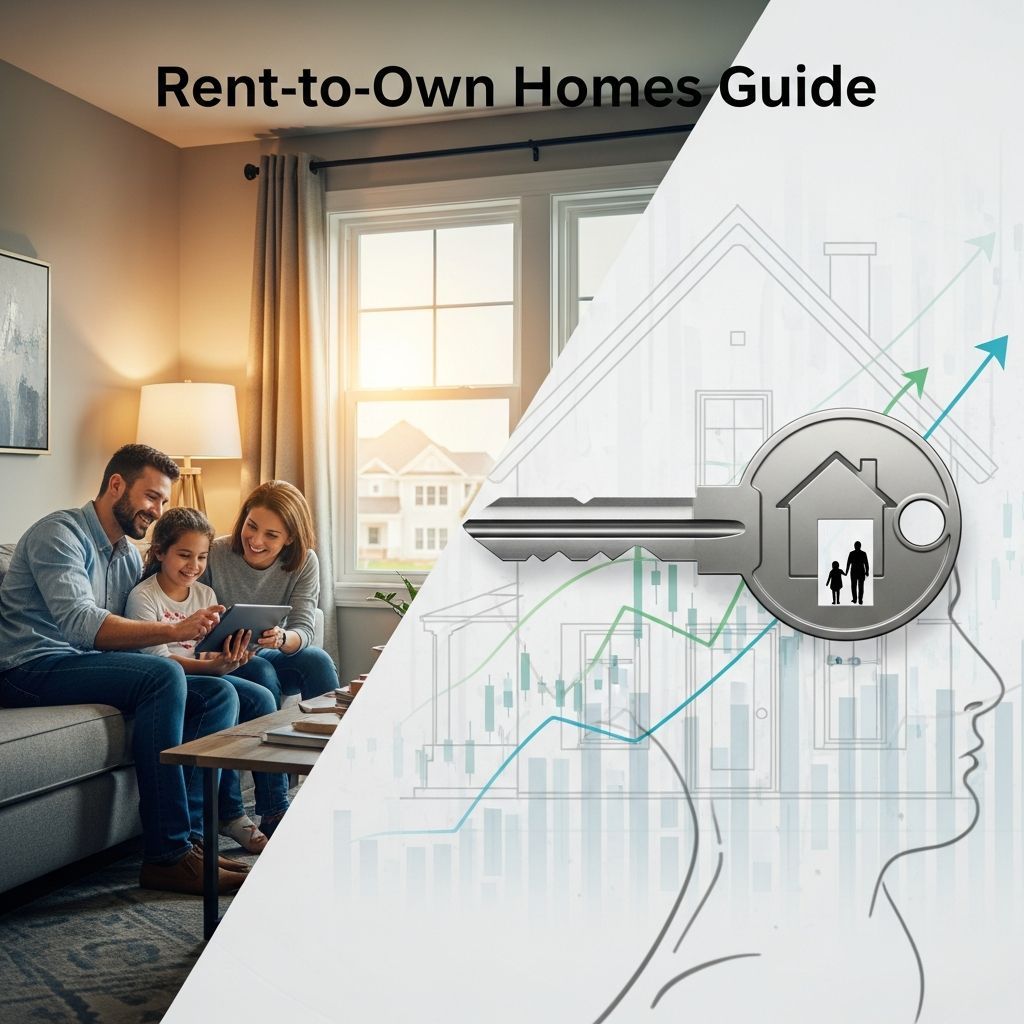
Rent-to-own arrangements offer a unique pathway for aspiring homeowners who need time to prepare financially before committing to a full purchase. These contracts combine elements of renting and buying, allowing tenants to live in a property while building toward eventual ownership. Typically lasting 1 to 3 years, they involve higher monthly payments where a portion may credit toward the down payment, plus an upfront option fee.
Understanding the Basics of Rent-to-Own Contracts
At its core, a rent-to-own deal is a hybrid agreement where you lease a home with a built-in provision for future purchase. Unlike standard leases, these include specific terms about buying the property at the end of the term. Sellers benefit by securing a tenant-buyer who maintains the home, while renters gain a reserved opportunity to own without immediate mortgage qualification.
Key components include the lease duration, option fee (often 1-5% of the home’s value), monthly rent premium, and purchase price—either fixed upfront or tied to market value at exercise time. This setup provides a trial period to test the neighborhood and property fit.
Lease Option vs. Lease Purchase: Key Differences
Rent-to-own comes in two primary forms, each with distinct commitments.
- Lease Option: Grants the right, but not the obligation, to buy. Pay an upfront non-refundable option fee for this flexibility. A rent premium credits toward purchase if you proceed; otherwise, it’s forfeited.
- Lease Purchase: Legally binds you to buy at term’s end. Often skips the option fee but carries higher risk—if financing fails, you breach contract and lose credits.
| Aspect | Lease Option | Lease Purchase |
|---|---|---|
| Commitment | Optional | Mandatory |
| Upfront Fee | 1-5% (non-refundable) | Often none |
| Risk if Not Buying | Lose option fee/credits | Contract breach possible |
| Flexibility | High | Low |
Step-by-Step Process to Enter a Rent-to-Own Deal
Navigating rent-to-own requires careful planning. Here’s how it unfolds:
- Locate Properties: Search listings on real estate sites or work with agents specializing in these deals. Motivated sellers often list them.
- Review and Negotiate: Scrutinize contract terms with a real estate attorney. Discuss rent credits, maintenance duties, purchase price, and lease length.
- Pay Option Fee: Secure your right to buy with this payment, which may apply to the price if exercised.
Occupy and Maintain:
Live as a tenant, paying elevated rent. Use the time to repair credit, save, and prepare for mortgage approval.
- Decide at Term End: For options, choose to buy or walk. Secure financing and close; credits reduce your costs.
Financial Mechanics: Fees, Credits, and Costs
Expect higher costs than traditional renting. The option fee (e.g., $5,000 on a $300,000 home) locks your deal but isn’t always credited. Monthly rent exceeds market rates by $200-$500, with 20-50% as ‘rent credit’ toward down payment if buying.
Purchase price is negotiated upfront—fixed protects against rises but risks overpaying if values drop. You’re often responsible for taxes, insurance, and repairs, building equity-like habits early. At closing, credits offset down payment (typically 3-20%), easing entry.
Advantages for Future Homeowners
- Time to improve credit and save without ownership pressure.
- Test-drive the home and area before buying.
- Lock in price amid rising markets.
- Build equity via credits, unlike pure renting.
- Less competition from traditional buyers.
Potential Drawbacks and Risks
- Non-Refundable Payments: Lose fees/credits if not buying or qualifying.
- Higher Costs: Premium rent may exceed savings benefits.
- Market Shifts: Fixed price hurts if values fall; variable ties to appraisals.
- Legal Pitfalls: Poor contracts lead to disputes; always use attorneys.
- Financing Hurdles: Must qualify for mortgage later, despite prep time.
Finding and Evaluating Rent-to-Own Opportunities
Start with platforms like Zillow or local realtors advertising ‘lease option’ or ‘rent-to-own.’ Target sellers avoiding showings or needing steady income. Inspect thoroughly—hire pros for appraisals and home checks. Compare to market rents/purchase prices; aim for fair terms where credits justify premiums.
Verify seller ownership and liens via title search. Negotiate caps on rent hikes or maintenance sharing.
Preparing Financially During the Lease
Use the term strategically: Monitor credit via free reports, pay debts, save beyond credits. Budget for all home costs to simulate ownership. Shop lenders early for pre-approvals. Build emergency funds—unexpected repairs hit hard.
Legal Considerations and Contract Essentials
State laws vary; some regulate these as ‘installment land contracts.’ Demand clear language on: credit calculations, default remedies, buyout timelines, contingencies for financing. Include exit clauses for life changes. Attorney review is non-negotiable to avoid scams.
Who Benefits Most from Rent-to-Own?
Ideal for those with shaky credit, small savings, or relocation uncertainties needing a home trial. Less suited for strong-credit buyers facing better mortgage rates or those wary of forfeiture risks.
Alternatives to Rent-to-Own Paths
- FHA Loans: Low down payments (3.5%) for qualifiers.
- Owner Financing: Direct seller mortgages.
- Shared Equity: Investors fund down payments for profit shares.
- Traditional Renting: Save independently for quicker buying.
FAQs: Common Rent-to-Own Questions
Q: Is rent-to-own right for bad credit?
A: Yes, it buys time to rebuild scores before mortgage application.
Q: What if home value drops?
A: Fixed-price deals mean potential overpayment; negotiate appraisals.
Q: Who pays for repairs?
A: Usually tenant, like owners—clarify in contract.
Q: Can I sublet?
A: Rarely; check terms.
Q: Taxes and insurance?
A: Often tenant-paid; confirm responsibilities.
Real-World Success Tips
Success hinges on due diligence. Track all payments for credit toward purchase. Communicate with sellers early. Stay mortgage-ready: Aim for 620+ FICO, 5%+ down post-credits. Exit plans prevent losses if circumstances change.
References
- Rent-to-Own Homes: How the Process Works — TruStage. 2023. https://www.trustage.com/learn/life-events/rent-to-own-homes
- What Is Rent to Own? How It Works and Who It’s For — Remitly. 2024. https://www.remitly.com/blog/lifestyle-culture/what-is-rent-to-own/
- How Does Rent-to-Own Work? — PNC Insights. 2024. https://www.pnc.com/insights/personal-finance/borrow/how-does-rent-to-own-work.html
- What Is Rent-To-Own? A Guide To Renting A Home Before You Buy — Alcova. 2023. https://alcova.com/rent-to-own/
- How Does Rent-To-Own Work? — Zillow. 2024. https://www.zillow.com/learn/rent-to-own/
Similar Articles








Read full bio of Sneha Tete