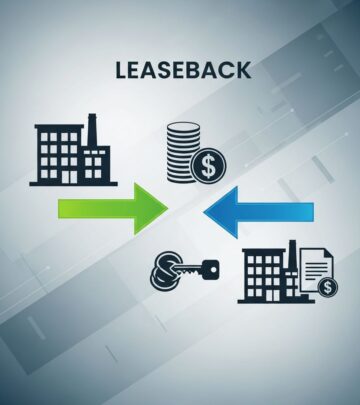
Rent-Back Agreements: Essential Guide For Buyers And Sellers
Discover how rent-back agreements provide flexible post-closing occupancy for sellers while offering buyers rental income opportunities.

Rent-back agreements enable home sellers to occupy their property for a defined period after closing by paying rent to the new owner, bridging timing gaps in relocations.
Understanding Post-Closing Occupancy Arrangements
These arrangements, often termed seller rent-backs or post-settlement leases, transform the seller into a temporary tenant immediately following title transfer. This setup proves invaluable in fast-paced markets where sellers lack immediate housing alternatives, such as awaiting new home construction or finalizing another purchase.
Buyers gain from this flexibility, potentially earning rent to offset mortgage costs, while sellers avoid storage fees or hotel stays. However, success hinges on precise documentation to avert disputes over occupancy duration, payments, or property condition.
Core Elements of a Rent-Back Contract
A robust rent-back contract functions as a short-term lease addendum to the purchase agreement. Essential components ensure clarity and protection for both parties.
- Occupancy Duration: Typically 30 to 60 days, with a strict end date and penalties for overruns, like daily fees equivalent to double rent.
- Rent Calculation: Often derived from the buyer’s principal, interest, taxes, and insurance (PITI) divided daily, or aligned with local fair market rents. Free periods may apply for short stays.
- Security Deposit: Usually one month’s rent, held to cover damages beyond normal wear or unpaid dues, refundable post-inspection.
- Utility and Maintenance Duties: Sellers generally manage bills, lawn care, and minor repairs during their stay.
- Insurance and Liability: Buyers maintain homeowner’s policy; sellers secure renter’s insurance. Clauses address injury or damage liability.
Real estate agents or attorneys draft these, often requiring lender approval to confirm compliance with mortgage terms.
Advantages for Sellers in Transitional Periods
For sellers, rent-backs eliminate the pressure of vacating before securing new digs, facilitating coordinated closings on replacement properties. In seller’s markets, requesting this can sweeten offers without derailing deals.
Additional perks include continued enjoyment of familiar surroundings, no double moves, and tax benefits if structured properly—stays under 90 days typically avoid investment property reclassification.
| Benefit | Description |
|---|---|
| Timing Flexibility | Aligns sale with new home readiness |
| Cost Savings | Avoids temporary housing expenses |
| Stress Reduction | Permits orderly packing and relocation |
Benefits and Opportunities for Home Buyers
Buyers leverage rent-backs to stand out in bidding wars, offering sellers extended stays to clinch competitive deals. Post-closing rent covers carrying costs, providing immediate income.
In investor scenarios, this yields short-term yields while prepping for long-term tenants or flips. It also grants time for personal move-ins or renovations without seller pressure.
Potential Drawbacks and Risk Mitigation
Despite upsides, challenges exist. Sellers risk eviction-like processes if overstaying, while buyers assume landlord roles—handling repairs, disputes, or damages without eviction courts’ full protections for short terms.
Extended stays beyond 60-90 days may necessitate buyer refinancing at investment rates, as lenders demand owner-occupancy for primary mortgages. Market shifts could leave buyers with unwanted tenants.
- Document everything in writing to prevent ‘he said, she said’ conflicts.
- Conduct move-in/move-out inspections with photos.
- Consult professionals: agents, lawyers, insurers.
| Risk | Mitigation Strategy |
|---|---|
| Property Damage | Security deposit and inspections |
| Payment Delays | Clear due dates, late fees |
| Lender Issues | Pre-approval for rent-back terms |
| Overstay | Penalty clauses, holdbacks at closing |
Negotiation Strategies for Balanced Deals
Commence discussions early, ideally in listing descriptions or initial offers. Sellers should justify needs (e.g., construction delays) and propose fair rents; buyers counter with caps on duration and deposits.
Leverage comparables: Research local rents via listings or apps. Include holdbacks—escrowing sale proceeds until vacating—to incentivize compliance. In hot markets, buyers concede longer terms; in balanced ones, sellers pay market rates.
Sample Negotiation Flow:
- Seller requests 45-day rent-back at daily PITI rate.
- Buyer agrees to 30 days free, then paid, plus deposit.
- Parties finalize addendum with attorney review.
- Lender signs off before closing.
Legal and Financial Implications to Consider
Legally binding, these agreements demand attorney oversight, especially varying by state landlord-tenant laws. Tax-wise, short-term rent-backs sidestep capital gains complications but may count as rental income.
Buyers’ lenders scrutinize for occupancy rules; FHA/VA loans often limit to 60 days. Sellers track payments for deductions. Always verify with tax pros.
Real-World Applications Across Market Conditions
In seller-favored markets, rent-backs proliferate, aiding quick sales. Buyer markets see shorter terms or none. Investors use them for seamless transitions to rental portfolios.
Case Example: A family sells amid a bidding war, securing 60 days post-close to await their new build. Buyer earns $50/day, covering costs perfectly.
Frequently Asked Questions
Are rent-back agreements standard practice?
Yes, particularly in competitive areas, added as contract addendums.
What’s the maximum duration?
Commonly 30-60 days; over 90 risks mortgage reclassification.
Who covers utilities?
Sellers typically, per agreement terms.
Do buyers need landlord insurance?
Standard homeowner’s suffices short-term; renters insurance for sellers advised.
Can rent be waived?
Yes, for brief periods, as a negotiation concession.
Steps to Implement a Successful Rent-Back
1. Discuss needs pre-offer.
2. Propose terms with comps.
3. Draft via agent/attorney.
4. Secure lender nod.
5. Inspect at transitions.
6. Enforce move-out.
Rent-back agreements foster win-win real estate transactions when thoughtfully executed, balancing urgency with safeguards.
References
- Rent-Back Agreement: How It Works for Buyers & Sellers — Redfin. 2023-10-15. https://www.redfin.com/blog/rent-back-agreement/
- Pros and Cons of a Rent-Back Agreement When Selling a Home — Homes.com. 2024-05-20. https://www.homes.com/learn/rent-back-agreement/
- What Is A Rent-Back Agreement & How Do They Work — Bay Management Group. 2023-08-12. https://www.baymgmtgroup.com/blog/what-is-a-rent-back-agreement/
- What Is a Rent-Back Agreement? A Godsend to Home Sellers — Realtor.com. 2024-02-28. https://www.realtor.com/advice/sell/what-is-a-rent-back-agreement/
- The Pros and Cons of a Rent-Back Agreement — Old Republic Title. 2023-11-05. https://www.oldrepublictitle.com/blog/the-pros-and-cons-of-a-rent-back-agreement/
Similar Articles








Read full bio of medha deb