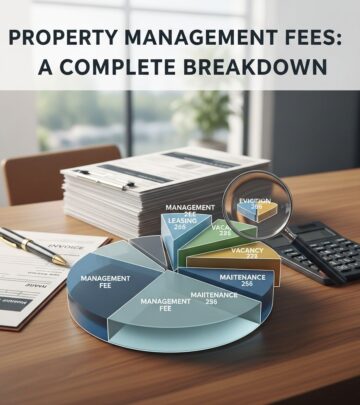
Here’s What Landlords Do With Your Rent Payment
Discover the hidden expenses landlords face every month and where your rent money really goes.

The perception of landlords as profit-maximizing villains often overlooks the complex web of expenses they juggle monthly. Your rent payment funds far more than just a landlord’s pocket—it’s allocated to critical operational costs that keep properties habitable and profitable. This article breaks down the top expenses landlords face, drawing from insights by seasoned investors like Brian Davis of SparkRental and Mark Ferguson, owner of 14 rental properties.
“The public loves to vilify landlords for some reason, but landlords have a lot more expenses and headaches than most people realize,” notes Davis, who manages 15 rental properties. Ferguson echoes this: “While it may seem absurd for some people to pay so much in rent, remember that the landlord has to pay a lot more expenses than most people think.”
1. Mortgage
If the landlord hasn’t paid off the property, a significant portion of your rent—often the largest chunk—goes directly to the mortgage. This covers principal and interest payments to the bank, ensuring the property remains financed. For many investors, this can consume 40-60% of collected rent, depending on loan terms and interest rates.
For example, in a typical $1,500 monthly rent scenario, mortgage payments might range from $750 to over $1,000, leaving slim margins after other costs. Paid-off properties are rarer, especially for newer investors scaling their portfolios.
2. Utilities
While tenants often pay their own utilities, landlords may cover water, sewer, trash, or even electricity in some leases. Even when not included in rent, landlords frequently foot unexpected bills for unpaid tenant accounts or common areas like hallway lighting in multi-unit buildings.
In all-inclusive rent models, utilities can add $100-300 per unit monthly. Landlords must budget for fluctuations, especially in extreme weather, to avoid cash flow disruptions.
3. Insurance
Landlords maintain property insurance to protect against disasters like fires, storms, or liability claims. Unlike homeowner policies, landlord insurance (often called dwelling or landlord policy) covers the structure, lost rental income during repairs, and legal fees if a tenant sues.
Premiums typically run $50 to $150 per month per property, scaling with location, property value, and risk factors. Additional coverage for floods or earthquakes adds more. Mark Ferguson estimates insurance at $50-$150 monthly in his breakdowns.
4. Maintenance and Repairs
One of the most unpredictable and substantial expenses, maintenance includes everything from routine upkeep to emergency fixes. “Most landlords can count on 5 to 20% of the rents received going towards maintenance costs,” says Ferguson.
Rentec Direct’s Kaycee Wegener categorizes these into:
- Fixed costs: Predictable expenses like cleaning, garbage removal, pest control, lawn mowing, snow removal, and gutter cleaning.
- Variable costs: Surprise hits such as appliance repairs/replacements, tenant-caused damage, wear-and-tear, and emergencies like plumbing bursts or roof leaks.
Landlords like Ferguson budget $75-$300 monthly per property, but costs can spike during turnover or unforeseen events.
5. HOA Fees (If Applicable)
For condos or properties in homeowners associations (HOAs), fees cover shared amenities, landscaping, and building maintenance. These can reach up to $500 monthly, eating deeply into rent income. Ferguson notes this applies only to his condos, but it’s a fixed burden for such owners.
6. Taxes and Fees
Property taxes are non-negotiable, often $100-$500 monthly depending on location and assessed value. Landlords also pay income tax on rent received, offset by deductions—but compliance costs time and money.
Additional fees include rental licenses ($100/month in some cities like Minneapolis), furnace certifications ($25/month), and inspection compliance budgets ($200/month). Investor Richards reports the government effectively taking $400 monthly from one $1,250 rent property via taxes and fees alone.
7. Bookkeeping and Accounting
Managing finances for rentals involves tracking income, expenses, deductions, and preparing taxes. “Rental properties come with bookkeeping and accounting headaches,” Davis says, spending $4,000 yearly on professionals plus 30-40 personal hours on taxes.
Software helps, but quarterly filings and audits add up, often 1-2% of annual rent.
8. Property Manager Fees
Many landlords outsource to property managers who handle tenant screening, rent collection, maintenance coordination, and evictions. Fees range from 8-12% of monthly rent, per All Property Management—about $120-$180 on $1,500 rent.
This trades time for expertise, crucial for absentee owners.
9. Tenant Turnover and Vacancies
Turnover costs skyrocket when tenants leave: cleaning, repainting, new carpets, advertising, and lost rent during vacancies. “Vacancies are a huge expense,” Davis warns, especially in slow markets where owners cover mortgages without income.
Ferguson budgets 5-15% of rent for vacancies ($75-$225 on $1,500), plus turnover fixes tenants often damage beyond security deposits.
10. Marketing
Filling vacancies requires listing properties, professional photos, credit checks, and screenings. DIY saves money, but agents charge one month’s rent. Investor Panko handles his own, but notes outsourcing convenience at a premium.
Real-World Expense Breakdowns
To illustrate, here’s how costs stack up:
| Expense Category | Ferguson’s Range (per $1,500 Rent) |
|---|---|
| Mortgage | $750 |
| Taxes | $100-$500 |
| Insurance | $50-$150 |
| HOA Fees | Up to $500 |
| Maintenance | $75-$300 |
| Vacancies | $75-$225 |
Total: $1,050–$2,425 monthly, often exceeding rent and leaving negative cash flow initially.
Richards’ Minneapolis property ($1,250 rent):
- Property taxes: $300
- Rental license: $100
- Furnace certification: $25
- Insurance: $100
- Fines/inspections: $200
Net after these: $525 for mortgage, maintenance, etc.—highlighting regulatory burdens.
Why This Matters to Renters
Understanding these costs fosters empathy and informed negotiations. Rent hikes often cover rising insurance, taxes, or repairs—not greed. Tenants minimizing damage reduce landlord costs, potentially stabilizing rents.
For aspiring landlords, these reveal why 50% quit within five years: thin margins demand diligent budgeting.
Frequently Asked Questions (FAQs)
What percentage of rent goes to landlord profit?
After expenses, profits are slim—often 5-10% for experienced owners, negative for beginners. Ferguson notes total costs can exceed rent.
How much should I budget for maintenance as a landlord?
5-20% of rent, per experts. Track fixed vs. variable to avoid surprises.
Are vacancies really that costly?
Yes—5-15% budgeted, plus turnover repairs. Slow markets amplify losses.
Do landlords pay taxes on rent?
Yes, property and income taxes, offset by deductions, but compliance costs extra.
Is hiring a property manager worth it?
For hands-off investing, yes—at 8-12% of rent for full-service management.
References
- U.S. Census Bureau – Housing Vacancies and Homeownership (CPS/HVS) — U.S. Census Bureau. 2024-07-01. https://www.census.gov/housing/hvs/data/histtabs.html
- National Rental Statistics — National Multifamily Housing Council. 2025-01-10. https://www.nmhc.org/research-insight/research-report/nmhc-kpmg-2025-apartment-market-report/
- Property Tax Data — U.S. Department of Housing and Urban Development (HUD). 2024-11-15. https://www.huduser.gov/portal/datasets/assthsg.html
- Landlord Insurance Costs — Insurance Information Institute. 2025-03-20. https://www.iii.org/fact-statistic/facts-statistics-landlords-insurance
- Rental Market Trends — Federal Reserve Bank of St. Louis (FRED). 2026-01-05. https://fred.stlouisfed.org/series/ASLFRMT
Similar Articles








Read full bio of Sneha Tete