Renovation vs. Relocation: Making Your Best Choice
Navigate the critical decision between upgrading your current home or starting fresh elsewhere.

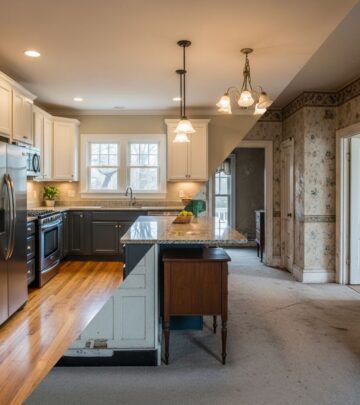
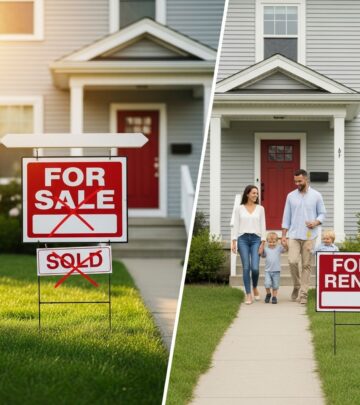
One of the most significant decisions homeowners face is whether to invest in improving their current residence or to pursue a fresh start in a different property. This choice involves far more than simple financial calculations—it encompasses lifestyle preferences, emotional attachments, practical constraints, and long-term vision. Understanding both options thoroughly enables you to make an informed decision that genuinely reflects your circumstances and aspirations.
Understanding the Financial Landscape
The monetary considerations involved in choosing between renovation and relocation extend well beyond the surface-level figures. Each pathway presents distinct cost structures, payment patterns, and potential returns that warrant careful examination.
Renovation Expenses and Investment Recovery
Undertaking a renovation project involves immediate, out-of-pocket expenses that homeowners must have readily available or finance through loans. The average home remodel in the United States typically costs around $46,503, though comprehensive gut renovations can escalate to approximately $150,000 or more. These funds represent direct payments to contractors, suppliers, and specialists.
The critical consideration for many homeowners involves return on investment. Not all renovation categories deliver equivalent financial returns when you eventually sell your property. Some projects recoup 80 to 100 percent of their costs, such as garage door replacements or minor kitchen updates. Conversely, major kitchen renovations or master suite overhauls frequently generate substantially lower returns, sometimes recovering only 50 to 70 percent of expenses.
Relocation Costs and Hidden Expenses
Moving to a different property involves numerous financial components that accumulate rapidly. Real estate agent commissions typically represent 6 percent of the sale price, while closing costs, property taxes, down payments on the new property, and professional moving services add thousands of additional dollars to the total expense. If your new residence requires a larger mortgage, monthly payment obligations also increase accordingly.
The apparent benefit of moving—receiving proceeds from your current home sale—can offset these costs, yet the net financial outcome depends heavily on your specific situation, current mortgage balance, equity position, and market conditions in your area.
Analyzing Lifestyle and Comfort Factors
Beyond spreadsheets and financial projections, the decision between renovation and relocation fundamentally concerns how you want to live and where you want to build your future.
The Appeal of Customization Through Renovation
Renovating allows you to maintain your current location while transforming your living space to match your evolving needs and aesthetic preferences. If you genuinely appreciate your neighborhood, established social connections, school district, or community amenities, renovation preserves these valuable elements while modernizing your home’s interior or exterior features.
This pathway proves especially attractive when specific modifications would dramatically improve your daily quality of life. A redesigned kitchen layout that reduces meal preparation time, an updated bathroom that provides modern conveniences, or additional storage solutions represent tangible lifestyle enhancements that extend beyond pure property value considerations.
The Fresh Start Opportunity of Moving
Relocation offers the chance to align your physical environment with your current lifestyle more comprehensively. Rather than adapting an existing structure to your needs, you can select a property that already embodies your preferred characteristics—whether that means proximity to your workplace, access to recreational facilities, a different climate, or a neighborhood that better reflects your values and social preferences.
Moving eliminates the frustration of compromise. Rather than accepting a home with an imperfect layout, undersized yard, or kitchen configured by previous owners, you can pursue a residence that requires minimal modification to meet your standards.
Practical Disruption and Timeline Considerations
The lived experience of renovation versus relocation differs substantially, with each option presenting distinct disruptions to your daily routine.
Construction Zone Realities
During renovations, your home transforms into an active work environment. Crews typically operate during standard business hours, generating noise, dust, and limited access to certain rooms. If you’re updating your kitchen or bathroom, you may find yourself unable to use these essential facilities for extended periods. Working from home becomes particularly challenging, and family routines require adaptation.
These disruptions often extend beyond initial timelines. Unforeseen complications—such as structural issues, outdated wiring, or water damage discovered once walls open—frequently delay project completion and escalate expenses. Even experienced architects and designers cannot predict what problems lurk behind existing walls until renovation begins.
Moving-Related Disruptions
Relocation eliminates the construction zone environment but introduces its own form of disruption. The moving process itself demands significant time and energy, particularly if you’re coordinating multiple aspects simultaneously. Adjusting to a new neighborhood, potentially different school districts for children, modified commute routes, and unfamiliar community resources requires an adjustment period.
For families with children, changing school systems represents a substantial consideration that extends beyond logistics into social and educational stability. Similarly, established professional networks, familiar service providers, and community relationships cannot simply transfer to a new location.
Strategic Questions to Guide Your Decision
Several key inquiries can help crystallize which option better aligns with your particular situation.
Do You Maintain Equity in Your Current Home?
If your mortgage significantly exceeds your home’s current market value, or if you’ve recently purchased at peak prices, moving may produce minimal proceeds despite real estate commission and closing costs. In such scenarios, renovation preserves the equity you’ve already accumulated while improving your living situation.
Can Your Current Location Accommodate Your Needs?
Assess whether your neighborhood provides the essential amenities, school options, employment proximity, and community character you require moving forward. If your location fundamentally misaligns with your needs—perhaps you require a rural setting but live in an urban center, or vice versa—relocation may prove necessary regardless of renovation costs.
What Is Your Timeline Flexibility?
Renovations rarely conclude on schedule, typically consuming more time than initial estimates suggest. If you require immediate changes to your living situation, relocation may reduce stress despite higher upfront costs. Conversely, if you can tolerate construction disruption over several months, renovation offers greater customization.
How Critical Is Emotional Connection to Your Space?
Some homeowners deeply value the emotional investment and personal history embedded in their current residence. Others prioritize fresh starts and new environments. Your emotional relationship with your home influences how much disruption renovation entails and whether a new setting excites or overwhelms you.
Comparative Financial Scenarios
Different financial situations point toward different solutions:
| Scenario | Recommended Approach | Rationale |
|---|---|---|
| Substantial home equity, stable income, location satisfaction | Renovation | Leverage existing equity while preserving location benefits and community ties |
| Minimal home equity, significant relocation incentives | Moving | Avoid triggering capital gains taxes and real estate fees on minimal proceeds |
| Growing family, current home undersized | Moving | Addition costs often approach or exceed new home purchase expenses |
| Aesthetic and functional dissatisfaction, location satisfaction | Renovation | Transform existing space to match current preferences without neighborhood disruption |
Quality of Life Beyond Financial Metrics
Financial considerations, while important, represent only one dimension of this consequential decision. Research consistently demonstrates that environmental satisfaction and daily functionality significantly impact overall wellbeing and happiness.
A kitchen renovation that streamlines meal preparation, reducing this daily task from one hour to 30 minutes, delivers genuine quality-of-life improvements that extend beyond measurable property value increases. Similarly, relocating to a neighborhood where you genuinely enjoy outdoor spaces, feel connected to community members, and access preferred amenities contributes to long-term life satisfaction in ways financial spreadsheets cannot fully capture.
Managing Realistic Renovation Expectations
If renovation emerges as your chosen path, entering the process with authentic expectations increases likelihood of satisfaction. Experienced real estate professionals consistently observe that renovations cost more, require more time, and present more complications than homeowners initially anticipate.
Smaller projects such as painting, flooring updates, or even kitchen renovations remain reasonably manageable, though they may temporarily disrupt access to certain facilities. Major structural modifications, significant system replacements, or comprehensive whole-home renovations demand substantially greater time commitments and tolerance for disruption.
The Mortgage Rate and Financing Consideration
Current mortgage rate environments influence this decision more than many homeowners realize. If you secured favorable mortgage terms in previous years, relocating would typically require refinancing or obtaining new financing at potentially higher rates, substantially increasing long-term borrowing costs. In such circumstances, renovation funded through home equity lines of credit preserves your existing favorable rate while financing specific improvements.
Conclusion: Aligning Decision With Personal Priorities
Neither renovation nor relocation represents a universally superior choice. The optimal decision emerges from honest assessment of your financial capacity, location preferences, lifestyle requirements, timeline flexibility, and emotional attachment to your current home. Some homeowners prioritize remaining in established neighborhoods and communities, making renovation the natural choice despite project disruptions. Others value customization opportunity and fresh starts sufficiently to embrace moving expenses and relocation logistics.
The decision ultimately reflects your individual circumstances, aspirations, and values. By systematically evaluating financial implications, practical disruptions, and lifestyle factors, you can confidently select the pathway that genuinely serves your long-term interests and satisfaction.
References
- ”Remodel or Move? How to Decide” — NerdWallet. Accessed 2026. https://www.nerdwallet.com/home-ownership/home-improvement/learn/remodel-or-move-how-to-decide
- ”Moving vs Remodeling: Weighing Your Options” — COCOON. Accessed 2026. https://thecocoon.com/blog/moving-v-remodeling-weighing-options/
- ”Should You Renovate or Move?” — Johnson Financial Group. Accessed 2026. https://www.johnsonfinancialgroup.com/resources/blogs/buying-or-building-a-home/should-you-move-or-should-you-improve/
- ”Renovate or Move: Our Flowchart Will Help You Decide” — The Zebra. Accessed 2026. https://www.thezebra.com/resources/home/renovate-or-move/
- ”Should You Renovate or Move? Here’s What Real Estate Experts Say” — House Beautiful. Accessed 2026. https://www.housebeautiful.com/home-remodeling/interior-designers/a69471966/should-you-renovate-or-move/
Similar Articles








Read full bio of Sneha Tete