Renewable Resources: Definition, Types, and Benefits
Understanding renewable resources and their role in sustainable energy production.
What Are Renewable Resources?
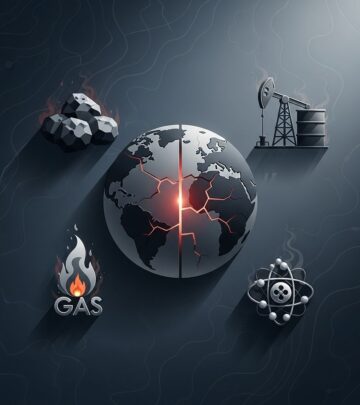
Renewable resources are energy sources that are naturally replenished over time, meaning they can be used indefinitely without depleting the Earth’s finite supplies. Unlike fossil fuels such as coal, oil, and natural gas—which take millions of years to form—renewable resources are continuously regenerated by natural processes. The key characteristic that defines a renewable resource is the time it takes to replenish the primary energy resource compared to the rate at which that energy is consumed. Since many renewable sources like solar energy and wind are constantly available on human timescales, they qualify as renewable despite varying production conditions.
Renewable resources are the sources for production of clean energy that, by definition, cannot technically run out in the way fossil fuels can. They represent a fundamental shift in how societies can meet their energy demands while maintaining environmental integrity and long-term sustainability.
Major Types of Renewable Resources
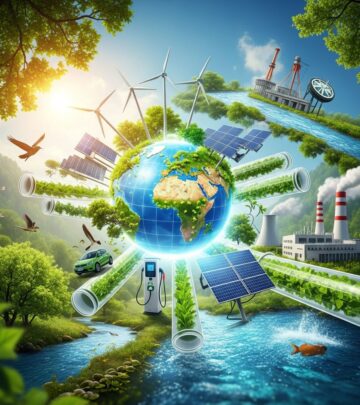
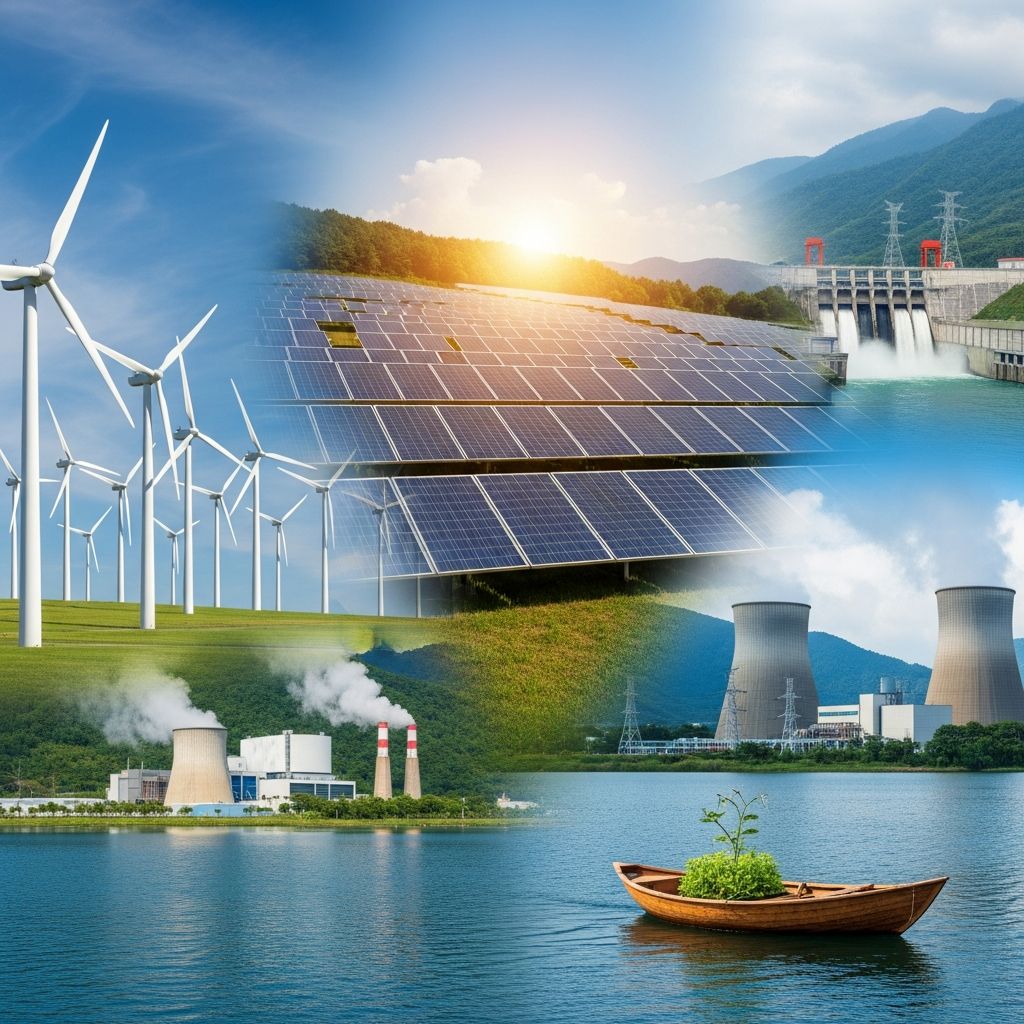
The renewable energy landscape encompasses several distinct types of resources, each with unique characteristics, advantages, and applications:
Solar Energy
Solar energy represents one of the fastest-growing renewable energy sources in recent years. Solar photovoltaic (PV) technology converts sunlight directly into electricity through semiconductor materials that generate electrical current when exposed to photons. Solar installations range from small residential rooftop systems to large utility-scale solar farms. The primary advantage of solar energy lies in its abundance—the sun delivers more energy to Earth in one hour than the entire world consumes in a year. However, solar production is intermittent, varying with weather conditions, time of day, and seasonal changes. Despite these limitations, solar has become increasingly cost-efficient and now surpasses hydropower in installed capacity globally.
Wind Energy
Wind energy harnesses the kinetic energy of moving air masses to generate electricity through wind turbines. These turbines can be deployed individually or in large-scale wind farms both on land and offshore. Wind energy offers variable output ranging from 20 to 40 percent capacity factors, depending on location and turbine design. The technology comes in horizontal and vertical axis configurations, with most commercial installations featuring horizontal axis turbines. Wind represents a cost-effective renewable solution, particularly in regions with consistent wind patterns, and has experienced significant growth in global energy portfolios.
Hydropower
Hydroelectric power harnesses the energy of falling or flowing water to generate electricity. While hydropower was historically the largest source of renewable electricity due to its reliability and high capacity factors, its growth faces challenges from environmental concerns and limited suitable sites. Hydropower facilities range from traditional high-head dams to run-of-river systems. Most hydro plants are highly dispatchable, offering base load capabilities or peaking power options. Run-of-river hydropower is intermittent but produces relatively slow and predictable output variations. Hydropower remains a major contributor to global renewable generation despite growth limitations.
Geothermal Energy
Geothermal energy taps into the Earth’s internal heat to generate electricity and provide direct heating applications. This renewable source offers exceptional reliability, producing high, consistent base load power without the intermittency challenges of solar and wind. Geothermal facilities typically operate at capacity levels well in excess of one megawatt and are economically viable as grid-connected base load resources. The technology is particularly advantageous in geologically active regions where subsurface temperatures are elevated.
Biomass
Biomass energy comes from organic materials—including wood, agricultural waste, and specially grown energy crops—that are burned or converted into liquid or gaseous biofuels. Examples include ethanol and biodiesel, collectively referred to as biofuels. Before the mass adoption of fossil fuels, biomass from trees was the leading energy source in the United States. Modern biomass applications provide renewable energy while creating economic value from waste streams. However, the sustainability of biomass depends significantly on production lifecycle factors including land use, water consumption, and emissions. Biomass facilities, like hydroelectric and geothermal installations, tend to be economical at large scale and are often developed as base load resources.
Ocean-Based Resources
Beyond the major commercial sources, renewable resources also include ocean-based technologies such as wave energy, ocean currents, tidal energy, and ocean thermal energy conversion that exploits temperature differences in seawater. These emerging technologies hold significant potential but remain largely in development or early commercial stages compared to established renewable sources.
Renewable Resources vs. Sustainable Energy
While “renewable energy” and “sustainable energy” are often used interchangeably, they are not identical concepts. Renewable energy is defined primarily by the replenishment timeline—whether the resource regenerates faster than consumption. Sustainable energy, by contrast, refers to sources that can maintain current operations indefinitely without jeopardizing the energy needs or climate conditions of future generations.
Most popular sustainable energy sources, including wind, solar, and hydropower, are also renewable. However, some renewable resources may not be entirely sustainable. Biofuel, for example, is renewable but raises sustainability questions because its combustion emits greenhouse gases and biomass cultivation consumes other environmental resources like land and water. The key challenge with biofuel lies in maximizing energy output while minimizing environmental impacts from sourcing biomass and fuel combustion.
Current U.S. Renewable Energy Consumption
Renewable energy plays an increasingly important role in the United States energy system. In 2023, renewable energy provided approximately 9 percent, or 8.2 quadrillion British thermal units (quads), of total U.S. energy consumption. The electric power sector accounted for about 39 percent of total U.S. renewable energy consumption, while renewable sources generated approximately 21 percent of total U.S. electricity. These figures demonstrate the growing significance of renewables in America’s energy mix, with projections indicating continued increases through 2050 under current policy assumptions.
Benefits of Renewable Resources
Renewable resources offer compelling advantages across multiple dimensions:
Environmental Benefits
Renewable resources are environmentally benign, producing clean energy with minimal ecological degradation during operation. Unlike fossil fuels, the largest source of U.S. carbon dioxide emissions, renewable technologies generate electricity without greenhouse gas emissions. By expanding renewable energy consumption, nations can significantly reduce energy-related emissions and mitigate climate change impacts. The environmental benefits extend across the entire lifecycle when properly managed, providing future generations with low-cost energy facilities that preserve natural ecosystems.
Energy Security and Independence
Renewable resources enhance national energy security by reducing dependence on imported fossil fuels. Since renewable resources are typically indigenous to each nation, their development reduces balance-of-payment problems and decreases exposure to currency fluctuations and fuel price volatility. This geographic distribution of renewable resources strengthens energy resilience and reduces vulnerability to supply disruptions in global energy markets.
Economic Sustainability
Renewable energy technologies have become increasingly cost-efficient, competing economically with conventional energy sources in many markets. The declining costs of solar panels, wind turbines, and battery storage systems have made renewable energy economically attractive for both utility-scale and distributed applications. Cost-benefit analysis demonstrates the long-term economic value of renewable energy investments compared to fossil fuel alternatives, particularly when environmental and health externalities are considered.
Long-Term Resource Availability
Renewable technologies operate on virtually inexhaustible or naturally replenishable supplies of natural fuels. This fundamental characteristic contrasts sharply with fossil fuels, which represent finite resources extracted from the Earth’s crust. By expanding electricity supply through renewable energy projects, nations pursue sustainable growth strategies that do not deplete Earth’s finite resources, ensuring energy availability for future generations.
Applications and Grid Integration
Renewable energy technologies serve two primary application categories: on-grid and off-grid systems. On-grid applications connect to integrated generation, transmission, and distribution systems serving numerous customers under centralized dispatch control. Grids may operate at national, regional, or local scales, with the latter often referred to as mini-grids.
Hydroelectric, biomass, and geothermal facilities typically operate economically at capacity levels exceeding one megawatt and are developed as base load resources—normally operated generating facilities within utility systems. Solar and wind installations also operate successfully in grid-connected configurations, though their intermittent nature requires complementary technologies or system management strategies. Dispatchability varies significantly among renewable sources: most hydro and some biomass plants offer high dispatchability ranging from base load to peaking power, while solar ranges from intermittent to intermediate depending on energy usage patterns.
Commercial Status of Renewable Technologies
| Technology | Status | Capacity Factor | Application Type |
|---|---|---|---|
| Hydroelectric | Virtually All Commercial | Intermittent to Base Load | On-Grid |
| Wind Turbines | Commercial | 20-40% Variable | On-Grid |
| Solar Photovoltaic | Most Commercial | Intermittent to Intermediate | On/Off-Grid |
| Geothermal | Commercial | High Base Load | On-Grid |
| Biomass | Commercial | Base Load | On-Grid |
Policy and Development Considerations
Policymakers evaluating renewable resource development typically focus on technologies that have established commercial viability and cost-effectiveness for grid applications. The major commercially viable grid-connected renewable resources include hydroelectric, geothermal, biomass, wind energy, and solar power. In many legal regimes, hydroelectric and geothermal resources are identified as owned in common by the people of the country and managed by the government for their benefit.
Private-sector involvement in renewable development often requires exploration rights that can be converted to long-term exploitation rights upon demonstration of commercial viability. These exclusive, long-term rights provide the necessary certainty for sustainable renewable energy production and attract investment capital required for project development and operation.
Future Outlook for Renewable Resources
Renewable energy consumption will likely continue increasing through 2050 according to current projections. Several factors support this trajectory: continued cost reductions in renewable technologies, increasing climate change concerns, energy security considerations, and supportive policy frameworks. Emerging technologies such as ocean-based systems, advanced energy storage, and grid modernization will further expand renewable energy deployment possibilities.
The transition to renewable resources represents both an environmental imperative and an economic opportunity. By shifting from finite fossil fuels to naturally replenishing energy sources, societies can achieve long-term energy security, reduce greenhouse gas emissions, and maintain resource availability for future generations while creating economic value and employment opportunities.
Frequently Asked Questions (FAQs)
Q: What is the main difference between renewable and non-renewable resources?
A: Renewable resources naturally replenish on human timescales and can be used indefinitely, while non-renewable resources like fossil fuels take millions of years to form and will eventually deplete. Renewable resources are virtually inexhaustible, whereas fossil fuels are finite.
Q: Which renewable resource is most cost-effective today?
A: Solar and wind energy have become the most cost-effective renewable resources in many regions, with prices declining significantly over the past decade. The cost-effectiveness varies by location, with solar performing well in sunny climates and wind in windy regions.
Q: Can renewable resources completely replace fossil fuels?
A: Renewable resources can substantially reduce fossil fuel dependence through expanded deployment, grid modernization, energy storage technologies, and complementary systems. Complete replacement requires coordinated efforts across technology development, policy implementation, and infrastructure investment.
Q: What is the capacity factor of renewable energy sources?
A: Capacity factor represents the actual output versus theoretical maximum output. Geothermal and biomass achieve high capacity factors (base load), while wind ranges from 20-40%, and solar varies from intermittent to intermediate depending on conditions and system design.
Q: How do renewable resources contribute to energy security?
A: Renewable resources reduce dependence on imported fossil fuels, decrease exposure to fuel price volatility and currency fluctuations, and enhance national energy independence by utilizing indigenous resources for electricity generation.
References
- Renewable Energy Explained — U.S. Energy Information Administration (EIA). 2024. https://www.eia.gov/energyexplained/renewable-sources/
- What is Renewable Energy? — United Nations Climate Change. 2024. https://www.un.org/en/climatechange/what-is-renewable-energy
- Renewable Energy vs Sustainable Energy — Johns Hopkins University School of Advanced International Studies. 2024. https://energy.sais.jhu.edu/articles/renewable-energy-vs-sustainable-energy/
- Renewable Energy — U.S. Department of Energy. 2024. https://www.energy.gov/topics/renewable-energy
- Chapter 1: Renewable Energy Overview — Organization of American States (OAS). https://www.oas.org/dsd/publications/unit/oea79e/ch05.htm
Similar Articles








Read full bio of medha deb