Remove Wakefield & Associates from Credit Report
Effective strategies to remove Wakefield & Associates collections from your credit report permanently.
How to Remove Wakefield & Associates from Your Credit Report
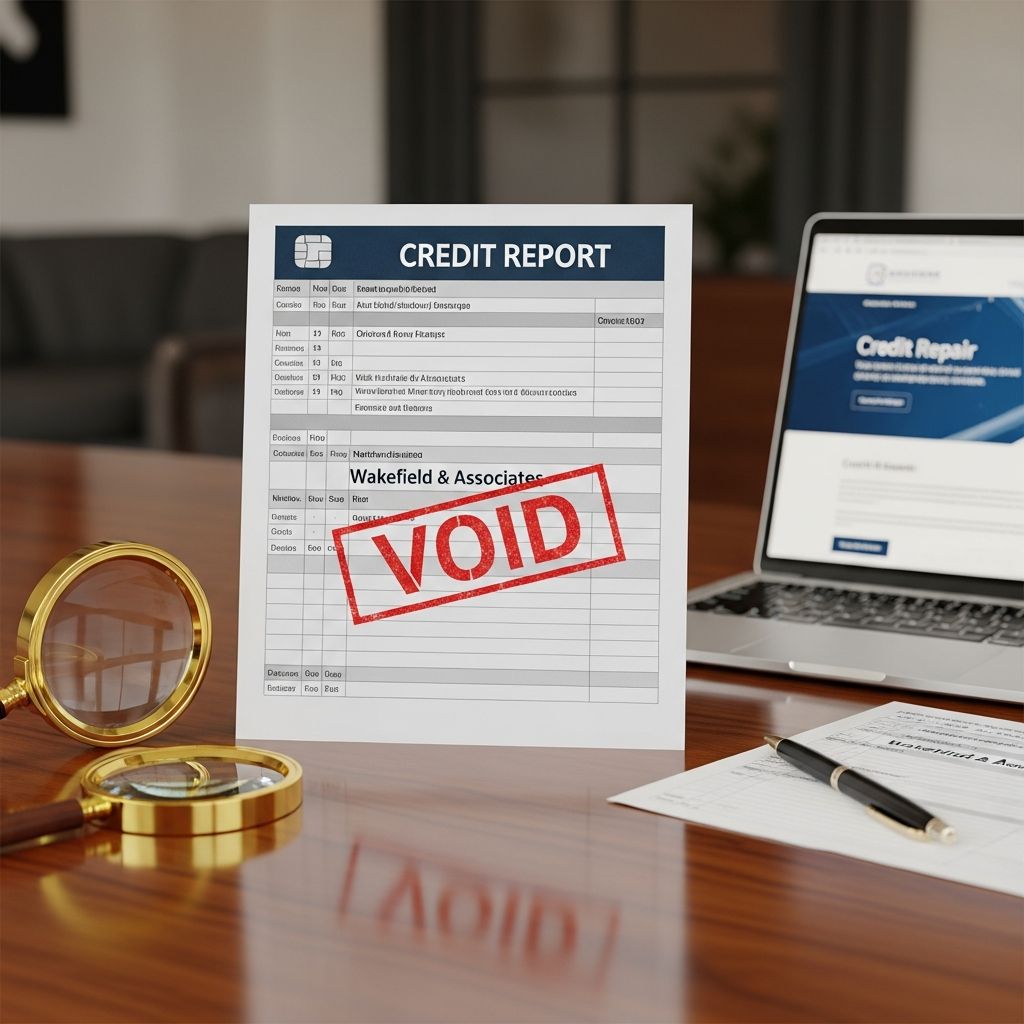
Discovering that Wakefield & Associates appears on your credit report can be concerning, especially when you’re trying to rebuild your financial health. This debt collection agency, which often handles medical debt, insurance claims, and other collections, can significantly impact your credit score if left unaddressed. However, ignoring their calls and letters won’t improve your situation, and simply paying off the debt might not erase the negative mark from your credit history. The good news is that you have consumer rights under federal law, including the Fair Debt Collection Practices Act (FDCPA) and the Fair Credit Reporting Act, which provide you with several legitimate strategies to remove this collection account from your credit report.
Understanding Wakefield & Associates and Their Impact
Wakefield & Associates is a debt collection agency that specializes in bad debt recovery, early-out services, and extended business office support. They are frequently partnered with Revco Solutions and often contact consumers about unpaid medical bills, insurance claims, and other debts that have been sent to collections. When one of your past payments slips through the cracks, Wakefield & Associates can legally call and write to you until you settle your outstanding balance. More importantly, they can place a collections account on your credit report, which could lower your credit score significantly and remain on your report for as long as seven years, even if you eventually pay the full amount you owe.
The impact of a collections account entry lessens over time, but getting an account removed is still an important part of improving your credit score. Understanding that you have options to address this situation is the first step toward financial recovery.
Three Primary Strategies to Remove Wakefield & Associates
Rather than feeling helpless against debt collectors, you can take proactive steps to remove this negative mark from your credit report. Here are the most effective approaches:
1. Send a Debt Validation Letter
The FDCPA requires debt collectors to provide you with proof of any debt they claim you owe. This is one of your most powerful consumer rights. By sending a debt validation letter, you can request that Wakefield & Associates prove the debt is actually yours and that they have the proper authorization to collect it.
Since many of Wakefield & Associates’ collections involve third-party debts, there’s a reasonable chance the agency doesn’t have all the documentation needed to validate their claim. Whether you actually owe the debt or were mistakenly targeted, it’s always wise to start the credit repair process with a debt validation letter. Unless the agency has the evidence it needs, they’ll have to stop contacting you immediately and have the collections account removed from your credit report.
Important deadline: You have only 30 days to send a debt validation letter after receiving initial contact from the agency. Once this window closes, you’ll need to pursue one of the other strategies listed below. It’s highly recommended to use certified mail when submitting your letter, as this creates a paper trail and prevents disputes over whether the agency received your request.
You can reach Wakefield & Associates at their office address:
Wakefield & Associates
10800 E Bethany Dr.
Aurora, CO 80014
When writing your validation letter, ensure it clearly states your name, the specific debt in question, your account number (if available), and a request for proof that the debt is legitimate and that they have authorization to collect on it.
2. Opt for a Pay-for-Delete Agreement
If you’re outside the 30-day timeframe for submitting a debt validation letter or if the company was able to verify your debt, you should consider making a pay-for-delete agreement. As the name suggests, this arrangement involves you agreeing to pay a certain amount of what you owe to get the account deleted permanently from your credit report.
It’s crucial to understand that simply paying your balance won’t make the collection entry disappear from your credit report. Instead, you should negotiate an agreement with Wakefield & Associates in writing that clearly states it will delete the entry from your report once payment is received.
Since collections agencies are able to purchase debts for a bargain, they’re usually willing to negotiate a lower payment to settle your account. To see success, you should start your negotiations at approximately 50% of the full amount you owe to Wakefield & Associates. This negotiation approach recognizes that debt collectors often acquire debt at significant discounts and are motivated to settle accounts rather than pursue prolonged collection efforts.
Key consideration: Before entering into a pay-for-delete agreement, make sure you have the funds to pay off the agreed amount. This isn’t a commitment to make lightly, and you want to ensure you can follow through on the arrangement.
3. Hire a Credit Repair Company
If navigating the debt collection process feels overwhelming or if you have multiple collection accounts to address, hiring a professional credit repair company may be your best option. Professional credit repair organizations specialize in helping individuals remove false, unsubstantiated, unfair, or inaccurate negative items such as charge-offs from their credit reports. They understand the nuances of credit law and can often achieve results more efficiently than individuals working alone.
These companies can handle all communications with debt collectors on your behalf, manage documentation, and ensure compliance with all legal requirements. While there are fees associated with professional credit repair services, the investment may be worth it if you have significant credit issues or lack the time and expertise to handle matters yourself.
Understanding Your Consumer Rights
Before taking any action, it’s important to understand the legal protections available to you. The Fair Debt Collection Practices Act and the Fair Credit Reporting Act provide consumers with specific rights when dealing with debt collectors.
Under the FDCPA, debt collectors must provide you with several specific pieces of information, including:
– Verification that the debt is still active (i.e., the debt is within your state’s statute of limitations)
– Proof that they’ve been given authorization by the original creditor to collect on the debt
– Documentation showing that the amount being collected is accurate
If Wakefield & Associates cannot prove these things to your satisfaction, you should contact your state attorney general’s office or a private attorney to explore your legal options. You have rights under federal law, and you can report any debt collection agencies that violate these rights to the Consumer Financial Protection Bureau or your state’s regulatory agencies.
How Long Collections Remain on Your Credit Report
Understanding the timeline for collection accounts is important for your long-term credit strategy. Collections can stay on your credit report for up to seven years from the date the debt was first reported as delinquent. This lengthy reporting period makes it even more important to take action to remove collections accounts when possible.
Even after this seven-year period expires, the debt itself doesn’t necessarily disappear, and collection efforts might continue. This is why proactive removal strategies are so valuable.
Payment Options and Settlement Strategies
When working with Wakefield & Associates, you may have more flexibility than you initially realize. Beyond the traditional pay-for-delete agreement, there may be additional payment options available:
Lump Sum Settlement: If you can afford to pay the entire negotiated amount upfront, this is often your strongest negotiating position. Debt collectors prefer immediate payment, and you can use this as leverage to negotiate a lower total amount or secure a deletion agreement more easily.
Payment Plan Option: If paying in one lump sum isn’t feasible, Wakefield & Associates may offer monthly payment plans. This allows you to settle the debt in installments over time. However, be cautious about the terms and conditions, as payment plans can sometimes end up costing you more than you expect through extended collection efforts or added fees.
Regardless of which payment option you choose, always get any agreement in writing before making your first payment. Keep meticulous records of all payments you make and maintain copies of your settlement agreement for your protection.
Warning: Protecting Yourself During the Process
While pursuing debt removal, be cautious about certain common pitfalls. Never give a collection agency direct access to your bank accounts, as this could result in unexpected withdrawals. If you do authorize payments, use a separate method or ensure you have proper safeguards in place. Additionally, be wary of any requests for upfront fees before any work is done on your behalf.
Always research whether your collection company has been receptive to pay-for-delete letters in the past. Some agencies are more willing to negotiate than others, and understanding Wakefield & Associates’ track record can help you approach negotiations more effectively.
Additional Removal Strategies
Beyond the three primary methods, you have a few additional options worth considering:
Goodwill Deletion Letter: You can write and submit a goodwill deletion letter to Wakefield & Associates requesting they forgive the debt and remove the negative mark from your credit record. In your letter, you might explain that you faced unforeseen hardship or that this account is uncharacteristic of your normal payment history. However, the creditor is under no legal obligation to grant your request, so success isn’t guaranteed. Still, it’s a low-cost option worth trying.
Credit Bureau Disputes: You can also dispute the accuracy of the information reported by Wakefield & Associates directly with the credit bureaus. If you can identify any inaccuracies or errors in how the debt is reported, submitting a dispute can sometimes result in removal or correction of the negative mark. You can raise disputes online through each credit bureau’s website or via mail.
Frequently Asked Questions
Q: What happens if Wakefield & Associates can’t validate my debt?
A: If they cannot provide proper documentation within the validation period, they must legally stop all collection efforts and remove the collections account from your credit report. This is one of your strongest protections under the FDCPA.
Q: How long does it take to remove Wakefield & Associates from my credit report?
A: Timeline varies depending on your strategy. Debt validation letters typically require 30 days for response. Pay-for-delete agreements can be resolved within weeks once negotiated. Credit repair companies may take several months depending on the complexity of your case.
Q: Will paying off my debt automatically remove Wakefield & Associates from my credit report?
A: No. Simply paying the debt doesn’t automatically remove the negative entry. You need to negotiate a specific pay-for-delete agreement or use other removal strategies to get it off your report.
Q: Can I negotiate with Wakefield & Associates if I can only pay part of the debt?
A: Yes. Debt collectors often negotiate settlements for less than the full amount owed. Start by offering around 50% of the total debt and work from there. Having the ability to pay helps your negotiating position significantly.
Q: What’s the best first step to take against Wakefield & Associates?
A: If you’re within 30 days of their first contact, send a debt validation letter immediately. This is your lowest-risk option and can potentially resolve the matter quickly if they lack documentation.
Moving Forward With Your Credit Repair
Removing Wakefield & Associates from your credit report is an achievable goal with the right approach and knowledge of your consumer rights. Whether you choose to send a debt validation letter, negotiate a pay-for-delete agreement, dispute the entry with credit bureaus, or hire a professional credit repair company, taking action is far better than ignoring the problem. The sooner you address this negative mark, the sooner you can begin rebuilding your credit score and improving your financial future. Remember that you have legal protections under federal law, and debt collectors must follow specific rules when attempting to collect debts from you. Use these protections wisely to achieve the best possible outcome for your financial situation.
References
- Fair Debt Collection Practices Act (FDCPA) — United States Government. https://www.ftc.gov/business-guidance/resources/fair-debt-collection-practices-act-text
- Fair Credit Reporting Act — United States Government. https://www.ftc.gov/business-guidance/privacy-security/gramm-leach-bliley-act
- How to Remove Wakefield & Associates from Your Credit Report — Lexington Law Firm. https://www.lexingtonlaw.com/credit-repair/collections/wakefield-and-associates
- Consumer Complaints About Debt Collection — Consumer Financial Protection Bureau. https://www.consumerfinance.gov/data-research/consumer-complaints/search/
- Understanding Debt Validation Rights — Federal Trade Commission. https://www.ftc.gov/articles/0259-debt-validation
Similar Articles








Read full bio of Sneha Tete