How to Remove Late Payments From Your Credit Report
Learn proven strategies to dispute and remove late payments from your credit reports effectively.

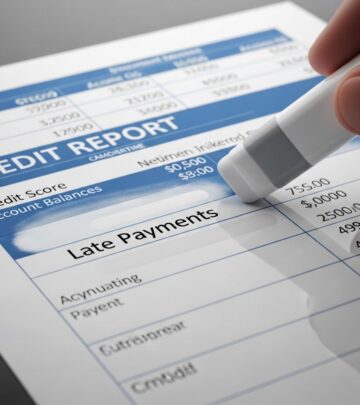
Late payments are derogatory marks that can significantly damage your credit scores and remain on your credit reports for years. However, not all late payments are permanent, and understanding your options can help you take corrective action. Whether a late payment was reported in error or has exceeded the standard reporting period, you may have legitimate grounds to request its removal. This comprehensive guide explains the steps you can take to remove late payments, what to expect if the information is accurate, how late payments affect your credit, and practical strategies to prevent them in the future.
Understanding Late Payment Reporting
A late payment occurs when you fail to make at least the minimum payment by the due date specified in your account agreement. However, the timing of when this negative mark appears on your credit reports is important to understand. Most creditors do not report a payment as late to the credit bureaus until it is 30 or more days past due. This grace period of 30 days is crucial because if you can catch up within this window, you may avoid a derogatory mark altogether, though you may still incur a late fee.
Once reported, late payments typically remain on your credit reports for up to seven years from the original delinquency date. However, the negative impact of these late payments diminishes over time, especially as you establish positive payment history and other accounts in good standing. The Fair Credit Reporting Act (FCRA) governs how credit bureaus handle this information and provides consumers with specific rights to dispute inaccurate or incomplete data.
How to Remove Inaccurate Late Payments From Your Credit Reports
If you believe a late payment on your credit reports is incorrect or outdated, follow this systematic step-by-step process to challenge it:
Step 1: Check Your Credit Reports
Begin by obtaining your credit reports from all three major credit bureaus: Equifax, Experian, and TransUnion. You are entitled to one free credit report annually from each bureau through AnnualCreditReport.com. Review each report carefully for any late payments listed on your accounts. Pay close attention to the reported dates and the extent of the delinquency, as these details can differ across the three bureaus. Ensure you examine each report individually for accuracy, as inconsistencies between bureaus are common and can be used to your advantage when disputing.
Step 2: Compare With Your Own Records
Gather your personal financial records to verify whether the reported late payment is accurate. Review your bank statements, payment confirmations, credit card statements, and any other documentation showing when you made the payment and to which account. Cross-reference these records with what the credit bureaus and creditors are reporting. If the payment date or status doesn’t match your records, you have strong grounds to dispute the late payment. Pay special attention to payments made through different methods, as timing can vary depending on whether you paid online, by mail, or through other channels.
Step 3: Reach Out to Your Creditor
Contact the creditor, lender, card issuer, or loan servicer that reported the late payment. Explain clearly what you believe is incorrect about the reporting and provide supporting documentation such as bank statements, payment confirmations, and screenshots. Many creditors have customer service departments trained to handle these disputes. If the creditor agrees that an error was made, they are legally required to correct the information and notify all three credit bureaus of the correction. This step is often the fastest way to resolve the issue, as creditors have direct relationships with the bureaus.
Step 4: Dispute With the Credit Bureaus
In addition to contacting your creditor, file formal disputes with each credit bureau that is reporting the inaccurate late payment. You can file disputes online, by mail, or by phone. Provide clear evidence of the error, such as statements and screenshots, along with a brief written explanation of what is incorrect. Under the FCRA, credit bureaus are required to conduct a reasonable investigation of your dispute within 30 days. If they find that the information is inaccurate, they must correct or delete it from your credit reports.
Step 5: Track the Results
Wait for responses from both your creditor and the credit bureaus. Keep copies of all correspondence, including what you send and what you receive. After receiving responses, recheck your credit reports to confirm that the updates have been made. It may take several billing cycles for corrections to appear on your reports. Continue monitoring your credit reports and scores to ensure the dispute was processed correctly and the late payment has been removed.
Late Payment Removal Strategies and Options
Beyond disputing inaccurate information, there are several other strategies you can explore to potentially remove late payments:
Goodwill Letters
A goodwill letter is a formal written request to a creditor asking them to remove or forgive an accurate late payment as a courtesy. This approach works best if you have a long history of on-time payments with the creditor and the late payment was an isolated incident due to extenuating circumstances. When writing a goodwill letter, keep it brief and factual. Explain the circumstances that led to the late payment, highlight your prior history of on-time payments, confirm that the account is now current, and politely request a courtesy adjustment.
However, it is important to understand that creditors are not required to grant these requests. By law, they must report information accurately, so results vary and are not guaranteed. Some creditors, particularly those who value long-standing customer relationships, may be willing to help, but many will decline. The key is to make a compelling case based on your account history and the unusual nature of the missed payment.
Pay-for-Delete Arrangements
Some debt collectors advertise the possibility of removing collections entries from your credit report if you pay off the debt. While this sounds appealing, it is important to understand the reality. Collections typically remain on your credit report for up to seven years plus 180 days from when the account first became past due. More importantly, credit bureaus may decline to remove accurate information even if you negotiate such an arrangement with a debt collector. The bureaus’ primary obligation is to report accurate information, and they may not honor requests to delete legitimate negative marks. Rather than pursuing pay-for-delete arrangements, prioritize disputing any inaccuracies in your reports.
What If the Late Payment Is Accurate?
If the late payment on your credit report is accurate and was properly reported, you cannot have it removed simply because you want it gone. Legitimate late payments must remain on your credit reports for the standard seven-year period. However, understanding how accurate late payments affect your credit can provide some reassurance. The impact of late payments on your credit scores decreases significantly over time, particularly if you maintain positive payment history on other accounts. After two to three years, the influence of a late payment typically diminishes considerably, and by the time it reaches the seven-year mark, its impact is minimal.
If you brought the account current relatively quickly after the late payment, the damage to your credit may be less severe than if the account remained delinquent for an extended period. Creditors are most concerned about recent late payments, so older late payments have substantially less weight in credit scoring algorithms.
How to Avoid Late Payments on Your Credit Report
Prevention is always better than remediation. Implement these practical strategies to avoid late payments:
Set Up Autopay or Reminders
Automate at least the minimum payment due on all your accounts, or set up calendar reminders and app notifications a few days before your due dates. This simple step ensures you will not accidentally miss payments due to forgetfulness or oversight. Most credit card companies and lenders offer free autopay options that remove the burden of manual payment tracking.
Contact Your Creditor Before a Missed Payment
If you anticipate that you might be late with a payment, contact your creditor before the due date to discuss your situation. Many creditors offer one-time courtesy adjustments, payment deferrals, or extended due dates for customers experiencing temporary financial difficulties. Early communication demonstrates good faith and may prevent the creditor from reporting the late payment to the credit bureaus. This proactive approach is far more effective than trying to dispute the late payment after it has been reported.
Catch Up Within 30 Days
If you do miss a payment, make it a priority to catch up within 30 days of the original due date. Most creditors do not report delinquencies to the credit bureaus until the account is 30 or more days past due. Bringing the account current quickly may help you avoid a derogatory mark entirely, though you may still be assessed a late fee. Once an account reaches the 30-day-past-due threshold, a late payment mark becomes much more likely to appear on your credit reports.
Understanding Credit Score Impact and Recovery
Late payments have a substantial negative impact on your credit scores, with the severity depending on factors such as how recent the late payment is, how late the account was, and your overall credit profile. A recent late payment will have a much greater impact than an older one. However, as time passes and you establish a pattern of on-time payments, your credit scores will gradually recover. Building positive credit history through consistent, timely payments is the most effective way to counteract the damage from past late payments.
While late payments cannot be removed if they are accurate, their influence diminishes over time. This means that even if you cannot have a late payment deleted, your credit profile will gradually improve as new positive information is added and the late payment becomes older and less relevant to current lending decisions.
Frequently Asked Questions
Q: How long do late payments stay on your credit report?
A: Late payments typically remain on your credit reports for up to seven years from the original delinquency date. However, their negative impact decreases significantly over time, especially after two to three years.
Q: Can I remove an accurate late payment from my credit report?
A: No, you cannot remove an accurate late payment that was properly reported by your creditor. Accurate late payments must remain on your credit reports for the standard seven-year period. You can only remove late payments that are inaccurate or reported in error.
Q: How long does it take to remove a late payment after disputing it?
A: Credit bureaus have up to 30 days to investigate a dispute and respond to your claim. However, it may take several additional billing cycles for the correction to appear on your actual credit reports.
Q: Will a goodwill letter guarantee removal of my late payment?
A: No, goodwill letters are not guaranteed to result in late payment removal. While some creditors may choose to help valued customers, they are not required to remove accurate information. Results vary depending on your relationship with the creditor and the circumstances of the late payment.
Q: What should I do if I find a late payment I didn’t authorize?
A: If you find a late payment on an account you did not open or authorize, this may indicate fraud or identity theft. File a dispute immediately with the credit bureaus and contact the relevant creditor to report the fraudulent account.
Q: Can late payments be removed after seven years?
A: Credit bureaus are required to remove late payments from your credit reports after seven years. If a late payment remains on your report beyond this timeframe, you should dispute it with the credit bureaus immediately.
References
- How To Remove Late Payments From Your Credit Report — Credit Karma. 2025. https://www.creditkarma.com/credit/i/how-to-remove-late-payments
- Can You Remove Late Payments from Your Credit Reports? — Equifax. 2025. https://www.equifax.com/personal/education/credit/report/articles/-/learn/remove-late-payments-credit-report/
- How to Remove Late Payments From Your Credit Report — Experian. 2025. https://www.experian.com/blogs/ask-experian/how-can-i-remove-late-payments-from-my-credit-report/
- Remove a Late Payment Off Credit Report — Chase Bank. 2025. https://www.chase.com/personal/credit-cards/education/credit-score/can-a-late-payment-be-removed-from-my-credit-report
- Disputing Errors on Your Credit Reports — Federal Trade Commission Consumer Advice. 2025. https://consumer.ftc.gov/node/77447
Similar Articles








Read full bio of Sneha Tete