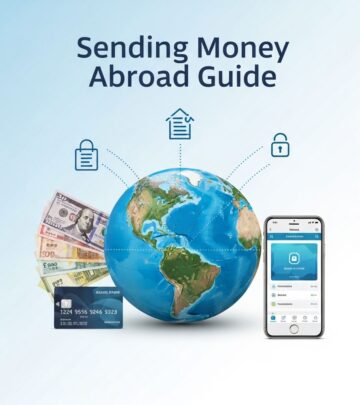
Remittance: Definition, Types, and Global Impact
Understanding remittances: money transfers that support millions of families worldwide.

What Is a Remittance?
A remittance is a transfer of money sent by a foreign worker, member of a diaspora community, or citizen with familial ties abroad to their home country or to individuals in other nations. The term can describe either the sum of money being sent or the act of sending payment itself. While remittances can be payments for goods or services, they most commonly refer to money transferred internationally to support family members or loved ones living in different countries.
The concept of remittance has become increasingly important in the modern globalized economy. As millions of people migrate for work or opportunity, the funds they send home have become a critical source of income for many developing nations. These transfers represent not just personal financial obligations but also significant macroeconomic flows that influence currency markets, development patterns, and poverty reduction efforts across the world.
Understanding the Remittance Definition
Remittance encompasses several definitions depending on context and usage. At its core, a remittance is any amount of money transmitted from one party to another, typically across international borders. The term originates from the verb “remit,” which means to send money or cancel a debt.
In its broadest sense, remittances can include:
- Direct cash transfers sent through money transfer operators
- Bank wire transfers between accounts
- Informal money transfers through personal channels
- Physical transfer of goods with monetary value
- Payments for international goods or services
The most common usage refers specifically to money sent by international migrants to their home countries for family support. However, businesses also use remittances when paying for goods purchased internationally. American manufacturing companies, for example, often use foreign remittances to pay for bulk products sourced from overseas suppliers.
Types of Remittances
Workers’ Remittances
Workers’ remittances, also known as migrant remittances, represent the primary category and constitute the largest portion of global remittance flows. These are transfers sent by individuals working abroad who send earnings back to support their families. Research indicates that migrants typically send approximately 10 percent of their household incomes, which can represent 50 to 80 percent of household income for recipients in developing nations.
Diaspora Remittances
Members of diaspora communities—groups of people living outside their country of origin—also contribute significantly to remittance flows. These transfers extend beyond immediate family support to include investments in community development, business ventures, and charitable causes in their home countries.
Business Remittances
Organizations and commercial entities send remittances internationally for various business purposes, including payments for imported goods, service fees, and cross-border transactions. These transfers follow similar pathways to personal remittances but typically involve larger amounts and different regulatory considerations.
How Remittances Work
The remittance process typically follows three essential steps to ensure funds reach their intended recipients:
Step 1: Initial Payment
The sender (remitter) provides funds to a sending agent using one of several payment methods. These methods include cash payment, check, money order, credit card, debit card, or digital instruction via email, phone, or internet. The sending agent can be a bank, money transfer service provider, or informal money broker.
Step 2: Agent Communication
The sending agent communicates with its counterpart in the recipient’s country, providing details about the transfer. In most cases, funds are not transferred in real-time. Instead, the balance owed between the sending and receiving agents is settled periodically through commercial banks. In informal remittance channels, settlement sometimes occurs through goods trade.
Step 3: Recipient Payment
The receiving agent delivers the remittance to the beneficiary in the designated form—whether as a direct bank deposit, cash pickup, or mobile money transfer. The recipient may collect funds from a physical location or receive them directly through digital channels depending on the service used.
Methods of Sending Remittances
Numerous channels exist for transmitting remittances, each with distinct advantages, costs, and accessibility levels:
| Method | Characteristics | Best For |
|---|---|---|
| Bank Wire Transfer | Direct transfer between bank accounts; may include SWIFT systems | Large amounts; recipients with bank accounts |
| Money Transfer Operators | Specialized services like Western Union; multiple pickup locations | Unbanked populations; cash delivery needs |
| Online Transfer Services | Digital platforms with competitive exchange rates | Cost-conscious senders; tech-savvy recipients |
| Mobile Money | Phone-based transfers using mobile networks | Populations with mobile access; quick transfers |
| Informal Channels | Personal couriers or informal brokers; often undocumented | Areas with limited formal banking infrastructure |
The Cost of Remittances
Remittance transactions incur multiple costs that reduce the amount received by beneficiaries. Understanding these costs is essential for both senders and receivers:
Sending Agent Fees
Money transfer operators and banks charge fees to process remittances. These fees are typically paid by the sender and represent a percentage of the transfer amount or a flat fee. Fees vary significantly based on the service provider and destination country.
Currency Conversion Charges
When converting funds from one currency to another, service providers apply exchange rates that include a markup above the actual interbank rate. This currency conversion fee represents a significant portion of total remittance costs.
Delivery Fees
Some service providers, particularly smaller operators, charge beneficiaries a fee to collect remittances. These charges account for unexpected exchange-rate movements and administrative costs.
Float Earnings
Remittance agents, especially banks, earn indirect fees through interest or “float” by investing funds before delivery to beneficiaries. In countries with high overnight interest rates, this float can represent substantial revenue for service providers.
Historical Cost Trends
Remittance fees have declined over time due to increased competition and technological advancement. The average cost for sending $200 decreased from over $26 in 1999 to approximately $12 in 2005, stabilizing around 5 percent for $200 transfers by 2017. However, smaller remittances under $200—typical for poor migrants—continue to average 7 percent of the transfer amount, sometimes reaching as high as 10 percent. Some commercial banks offer free remittance services to attract customers for deposit and loan products.
Economic Significance of Remittances
Scale of Global Remittances
Remittances represent one of the most substantial and stable sources of foreign income for developing economies. Official international migrant remittances reached approximately $596 billion globally in 2017, with $450 billion flowing to developing economies. However, these figures represent only officially recorded flows. Unrecorded remittances through informal channels are believed to be at least 50 percent larger than recorded flows, suggesting total remittance volumes substantially exceed $900 billion annually.
Impact on Developing Economies
Remittances account for nearly 4 percent of GDP in low-income countries, compared with approximately 1.5 percent for middle-income countries. These transfers are more evenly distributed among developing economies than other capital flows, including foreign direct investment. For many nations, particularly small island states and countries affected by conflict, remittances serve as a critical economic lifeline.
Poverty Reduction
Remittances are specifically targeted to meet recipients’ needs and consequently tend to reduce poverty more effectively than general capital inflows. Research demonstrates that households receiving remittances show higher propensity to own bank accounts, promoting access to financial services. In countries like Armenia, studies reveal that remittance-receiving households display higher savings rates, suggesting positive effects on financial system development.
Stability and Counter-Cyclical Nature
Remittance flows demonstrate greater stability than traditional capital flows such as foreign direct investment or portfolio investment. They tend to be counter-cyclical, increasing during economic downturns, financial crises, or natural disasters when private capital flows typically decrease. This countercyclical behavior makes remittances particularly valuable for countries experiencing economic turbulence.
Remittances sent by circular migrants—workers who move back and forth between home and host countries temporarily and repetitively—demonstrate particular persistence over time. Countries with diversified migration destinations maintain more sustainable remittance flows as they are not dependent on economic conditions in any single destination country.
Uses of Remittances
Recipients utilize remittances for diverse purposes depending on household circumstances:
Essential Needs
In low-income households, remittances typically support basic necessities including food, housing, utilities, and clothing. They provide essential financial support that improves living standards and basic welfare.
Education and Healthcare
Significant portions of remittances fund children’s education and healthcare services. Remittance-receiving families invest in human capital development, recognizing education as critical for long-term economic advancement.
Business Investment
In richer households, remittances provide capital for small business ventures and entrepreneurial activities. These investments generate employment, promote economic diversification, and contribute to local economic development.
Trade and Debt Service
Remittances help countries pay for imports and service external debt obligations. In some developing nations, financial institutions have raised overseas financing using future remittance flows as collateral, demonstrating the importance of remittance predictability.
Global Remittance Infrastructure
The World Bank established the Remittance Prices Worldwide Database in September 2008 to track and analyze international remittance flows and pricing. This database examines over 200 “country corridors”—remittance pathways from 32 major sending countries to 89 receiving countries—accounting for more than 60 percent of total remittances to developing countries.
The database serves four major purposes: benchmarking improvements in remittance services, enabling comparisons across countries and corridors, supporting consumer choices through transparent pricing information, and applying competitive pressure on service providers to improve services and reduce fees.
Frequently Asked Questions
Q: What is the difference between a remittance and a bank transfer?
A: Remittance is a broad, overarching term encompassing all methods of sending money, while a bank transfer is one specific method of remitting funds. Bank transfers move money between accounts directly, which can be convenient for recipients with bank accounts. However, bank transfer fees may not always be as competitive as specialized money transfer service providers, particularly for international transfers.
Q: How much does it typically cost to send a remittance?
A: Remittance costs vary by service provider, destination country, and transfer amount. For large remittances, fees typically average 1-2 percent. For smaller transfers under $200, fees average around 7 percent but can reach 10 percent. Using specialized money transfer services rather than banks often provides better rates for international remittances.
Q: Are remittances taxed?
A: Tax treatment of remittances depends on the sender’s country, recipient’s country, and specific circumstances. Generally, personal remittances are not taxable income for recipients in most countries. However, senders should verify their local tax obligations as requirements vary. Business remittances typically involve different tax considerations.
Q: How long does a remittance take to arrive?
A: Delivery time depends on the method used. Bank wire transfers typically take 3-5 business days internationally. Money transfer operators and online services often deliver within 24 hours. Mobile money transfers can be instant in some regions. Informal transfers may take several days to weeks depending on distance and mechanisms.
Q: What percentage of household income do migrants typically send as remittances?
A: Research indicates migrants send approximately 10 percent of their household incomes as remittances. These transfers often represent 50-80 percent of household income for recipients in developing nations, making them critical to family finances and economic stability.
References
- What Are Remittances? Back to Basics — International Monetary Fund. 2017. https://www.imf.org/external/pubs/ft/fandd/basics/pdf/ratha-remittances.pdf
- Foreign Remittance: Definition, Meaning, and Tax Implications — Wise. https://wise.com/us/blog/foreign-remittance-meaning-taxes
- What is a remittance? — Western Union Blog. https://www.westernunion.com/blog/en/us/what-is-a-remittance-western-union-us/
- Remittance Prices Worldwide Database — World Bank. https://remittanceprices.worldbank.org/
- Remittance — Wikipedia. https://en.wikipedia.org/wiki/Remittance
Similar Articles








Read full bio of medha deb