Relocating To DC: 5 Best Neighborhoods And 2026 Buying Guide
Comprehensive insights into DC's vibrant neighborhoods, market dynamics, and financing options for prospective homebuyers in 2026.
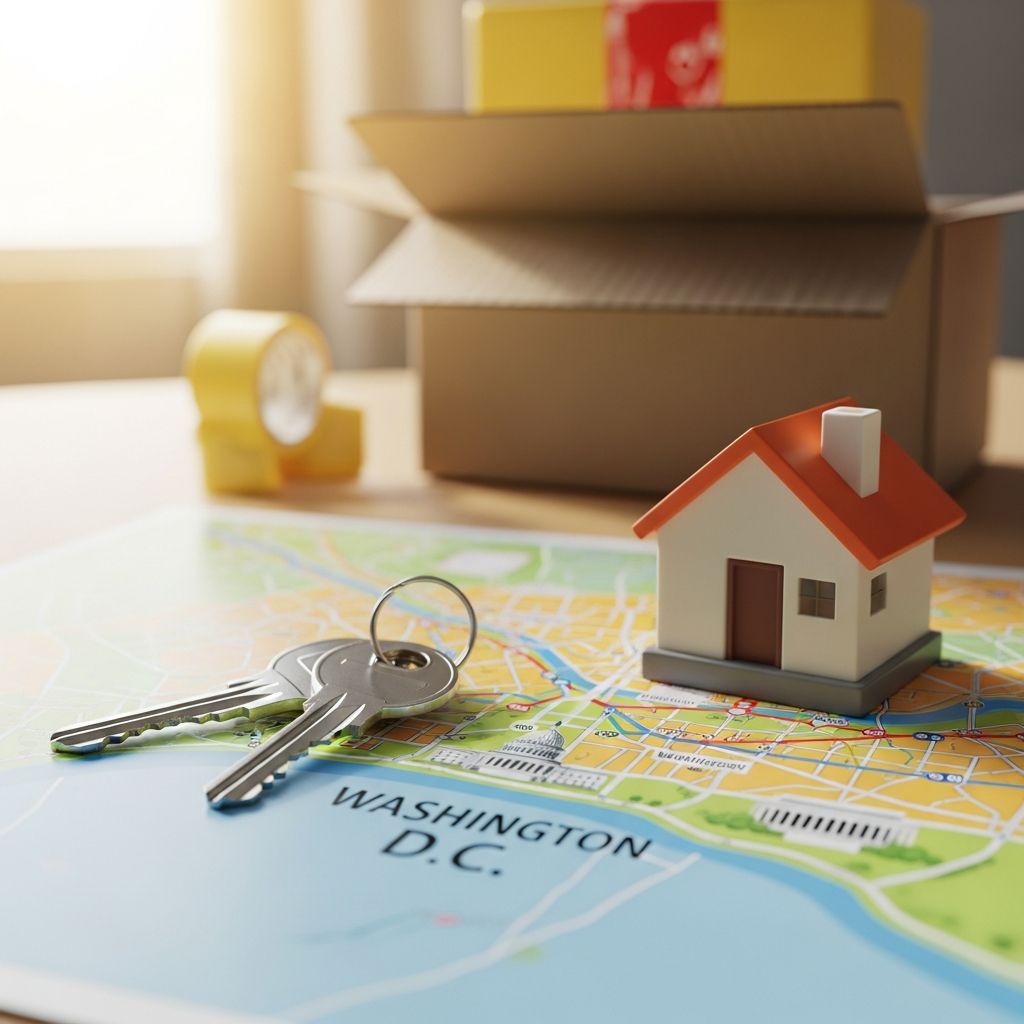
Washington, DC, stands as a dynamic hub of politics, culture, and opportunity, drawing professionals, families, and retirees seeking urban vibrancy paired with residential charm. In 2026, the housing market offers a balanced landscape with increasing inventory and modest price adjustments, creating favorable conditions for buyers. Median home prices hover between $617,000 and $713,000, influenced by neighborhood and property type, with forecasts indicating a slight 0.7%-1% decline—the only softening projected in the Mid-Atlantic region.
Why Choose Washington, DC for Your Next Home
The capital’s allure extends beyond government landmarks to diverse communities, green spaces, and robust job markets in sectors like federal employment, tech, and nonprofits. Homeownership here promises stability amid career growth, with access to world-class museums, parks like Rock Creek, and efficient Metro transit. However, high demand necessitates strategic planning, especially for first-time buyers navigating competitive listings and financing hurdles.
Active listings have surged 33% year-over-year, projected to rise another 14% through 2026, easing the once-tight supply. This shift favors purchasers, allowing more negotiation room compared to peak pandemic years.
Prime Neighborhoods for Homeownership in 2026
DC’s neighborhoods vary widely in price, safety, and lifestyle, catering to singles, families, and retirees. Below are standout areas based on median prices, safety metrics, and demographic appeal.
| Neighborhood | Median Home Price | Safety (Safer Than % of DC) | Ideal For |
|---|---|---|---|
| Adams Morgan | $529,538 | 68% | Singles, young professionals |
| Brightwood | $600,254 | 41% | Singles, families, retirees |
| Capitol Hill | $587,596 | 24% | Singles, families |
| Cleveland Park | $759,100 | 88% | Singles, families, retirees |
| Columbia Heights | $549,242 | 29% | Students, singles, families |
Adams Morgan: Vibrant and Accessible
This neighborhood, just north of downtown, blends historic Art Deco rowhouses with a bustling 18th Street corridor of international eateries and nightlife. Its affordability and safety make it prime for young professionals entering DC’s social scene.
Brightwood: Green and Historic Haven
Along Georgia Avenue, Brightwood offers Tudor and Colonial homes near parks and Fort Stevens—a Civil War landmark. Families appreciate its peaceful vibe with urban conveniences nearby.
Capitol Hill: Iconic and Community-Focused
Famous for rowhouses and Victorian architecture, this area features top schools like Brent Elementary and markets such as Eastern Market. It’s a walkable gem for those loving historic charm.
Cleveland Park: Prestigious and Serene
With the highest safety ranking, Cleveland Park boasts Queen Anne and Tudor Revival homes. Community events foster belonging, appealing to retirees and families seeking elegance.
Columbia Heights: Urban Retail Hub
Mixing condos and rowhouses near DC USA mall, this spot suits budget-conscious buyers with embassy-lined streets adding international flair.
Navigating the 2026 DC Housing Market
The market’s normalization brings opportunities: median list prices sat at $574,999 in late 2025, with inventory growth reducing bidding wars. Sellers face a 1% price dip in the District, but buyers benefit from more choices. Compare costs against your current city, factoring in DC’s higher living expenses for housing, taxes, and utilities.
First-Time Buyer Programs and Financing
DC supports newcomers through the DC Housing Finance Agency (DCHFA), offering tailored loans and assistance.
- Home Purchase Assistance Program (HPAP): Provides up to $202,000 for down payments and $4,000 for closing costs as deferred, interest-free loans for low-to-moderate income buyers.
- DC4ME: For DC government employees, features reduced-rate first mortgages with optional 3% down payment aid via a zero-interest second loan; caps at $1,249,125 with income and credit requirements.
Additional resources include HUD education and nonprofit counseling. Median sale prices demand strong pre-approval to compete.
Step-by-Step Guide to Buying Your DC Home
- Assess Finances: Calculate affordability using DC’s cost-of-living tools. Aim for housing under 30% of income.
- Secure Pre-Approval: Shop lenders for DC-specific programs; this strengthens offers in fast markets.
- Research Neighborhoods: Visit open houses, evaluate schools, transit, and growth like new Metro lines.
- Hire Professionals: Partner with local agents for insider access to listings.
- Inspect Thoroughly: Budget for home inspections to uncover issues in older properties.
- Finalize Purchase: Review contracts, secure financing, and plan closing.
Cost of Living and Budgeting Essentials
DC’s expenses exceed national averages: expect 20-30% higher for housing. Property taxes average 0.56%, with additional transfer taxes. Factor in HOA fees for condos and utilities amid seasonal variances. Use calculators to project mortgage payments at current rates.
Practical Relocation Tips
- Timing: Spring sees peak activity; winter offers deals.
- Moving Logistics: Leverage Metro for urban moves; compare storage if staging.
- Future-Proofing: Prioritize areas with infrastructure upgrades for resale value.
Frequently Asked Questions (FAQs)
What is the median home price in DC for 2026?
Around $617,000-$713,000, varying by area; slight declines expected.
Are there down payment assistance programs?
Yes, DCHFA’s HPAP offers up to $202,000 for eligible first-timers.
Which DC neighborhood is safest for families?
Cleveland Park, safer than 88% of DC areas, with community focus.
How has DC inventory changed?
Up 33% year-over-year, with more growth ahead, aiding buyers.
What steps should first-timers take first?
Get pre-approved and explore DCHFA programs early.
Final Thoughts on Making DC Home
With strategic preparation, DC’s market rewards informed buyers. Leverage rising inventory, targeted assistance, and diverse neighborhoods to find a property aligning with your lifestyle and budget. Consult local experts and official resources for personalized guidance.
References
- 5 Best Places to Buy a Home in Washington, DC in 2026 — Extra Space Storage. 2026. https://www.extraspace.com/blog/city-guides/best-places-to-buy-a-home-in-washington-dc/
- Washington, DC Housing Market Trends 2026: A Seller’s Perspective — The Jamil Brothers. 2026-01. https://www.thejamilbrothers.com/blog/washington-dc-housing-market-trends-2026-sellers-guide
- Washington, D.C. First-Time Homebuyer Guide 2026 — New American Funding. 2026. https://www.newamericanfunding.com/learning-center/guides/washington-d.c.-first-time-homebuyer-guide
- 10 Tips for First-Time Home Buyers in Washington, DC 2026 — LNDC Inc. 2026-01-15. https://www.lndcinc.com/2026/01/15/tips-for-first-time-home-buyers-in-washington-dc/
- 2026 DMV Real Estate Forecast — MarketPro Homebuyers. 2026. https://marketprohomebuyers.com/2026-real-estate-forecast/
Similar Articles








Read full bio of Sneha Tete