Releasing Buyer Contingencies in Real Estate
Strategic guide to waiving contingencies and strengthening your home purchase offer.

Understanding Buyer Contingencies and Their Strategic Release
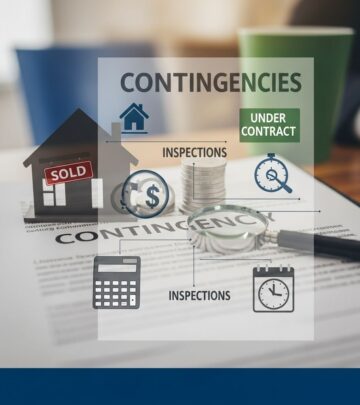
In today’s competitive real estate market, buyers often face a critical decision: whether to release contingencies to make their offers more attractive to sellers. Contingencies are conditions written into a purchase contract that must be satisfied before the sale can proceed, serving as safety nets that allow buyers to withdraw from transactions under specific circumstances without losing their earnest money deposit. Understanding when and how to release these protections requires careful consideration of market conditions, personal finances, and risk tolerance.
Releasing buyer contingencies means waiving the conditions that would normally allow you to back out of a real estate deal. While this strategy can significantly strengthen your offer in a seller’s market, it also exposes you to considerable financial risk. This comprehensive guide explores the nuances of releasing contingencies, the various types of contingencies you might encounter, and the strategic considerations that should guide your decision-making process.
What Are Buyer Contingencies?
Buyer contingencies are protective clauses embedded in purchase agreements that establish specific conditions requiring fulfillment before the transaction becomes fully binding. These conditions typically include requirements related to financing approval, property appraisals, home inspections, and title searches. Contingencies serve as an emergency escape hatch for buyers, allowing them to terminate contracts legally if certain conditions are not satisfied within specified timeframes.
The earnest money deposit held in escrow plays a crucial role in contingency protection. If a buyer defaults on the terms of a real estate contract without a valid contingency, the seller can keep the earnest money. However, if buyers include contingencies in their contract that allow them to terminate legally, they can have their earnest money refunded.
Common Types of Buyer Contingencies
Real estate transactions typically involve several standard contingency types, each protecting different aspects of the purchase:
Financing Contingency
The financing contingency specifies a window of time in which the buyer must obtain mortgage financing to purchase the home. This contingency is particularly important and is required in almost all states. If the buyer doesn’t secure a mortgage loan by the deadline, they can withdraw from the deal without penalty and the seller can find a different buyer. Pre-approval letters help reduce risk for sellers, making this contingency more acceptable in competitive markets.
Appraisal Contingency
Appraisal contingencies allow buyers to back out of property purchase transactions if the property is appraised at less than the purchase price, ensuring buyers are protected from obligations to pay more than the property’s actual value. The appraisal contingency acts as a condition precedent to the buyer’s obligation to complete the purchase, meaning the buyer has the right to cancel if the property appraises at or below a specified value.
Inspection Contingency
Inspection contingencies permit buyers to have a professional home inspector evaluate the property’s condition. If significant issues are discovered, buyers can negotiate repairs, request price reductions, or withdraw from the transaction entirely. This contingency protects buyers from purchasing homes with hidden structural, electrical, or plumbing problems.
Sale Contingency
A sale contingency requires the buyer to sell their current home before they can purchase the new property, creating a chain reaction in the transaction. This contingency carries high risk for sellers, as it introduces uncertainty about whether the buyer’s current home will sell successfully.
Title Contingency
Title contingencies ensure that the seller has clear ownership of the property with no liens, encumbrances, or other claims against it. If title issues are discovered, buyers can request resolution before proceeding with the purchase.
Strategic Reasons for Releasing Contingencies
In competitive real estate markets, particularly seller’s markets where demand exceeds supply, releasing contingencies can make your offer significantly more attractive to sellers. When multiple offers are on the table, sellers often favor contingency-free or lightly contingent offers because they eliminate uncertainty and reduce the likelihood of deal complications.
Making an offer more competitive is often the primary motivation for waiving contingencies. By removing these protective clauses, buyers signal confidence in their financial position and commitment to the purchase, potentially tipping the scales in their favor during bidding wars.
However, there are scenarios where releasing specific contingencies makes strategic sense beyond market competition. Buyers with strong financial positions, those purchasing investment properties, or individuals in urgent situations might find calculated contingency releases appropriate. Understanding your personal circumstances and market dynamics is essential before proceeding.
Risks Associated with Releasing Contingencies
Releasing buyer contingencies exposes you to substantial financial and property-related risks that warrant serious consideration:
Financing Risk
Waiving a financing contingency means committing to complete the purchase even if your mortgage application is denied. This could result in forfeiting your earnest money deposit and facing legal consequences if you cannot close the transaction.
Property Condition Risk
Without an inspection contingency, you forfeit the opportunity to discover and address significant property defects before purchase. Hidden structural damage, mold, outdated electrical systems, or plumbing issues could result in expensive repairs after closing, with no recourse against the seller.
Appraisal Gap Risk
Releasing an appraisal contingency means proceeding with the purchase even if the property appraises below your offer price. This creates an appraisal gap that you must cover with additional funds, potentially straining your finances.
Title Issues
Without title contingency protection, you might purchase a property encumbered by liens or other claims that weren’t properly disclosed, creating legal and financial complications.
When to Consider Releasing Contingencies
Strategic contingency release requires evaluating specific conditions and your personal readiness. Consider releasing contingencies when:
Market Conditions Favor Action
In highly competitive seller’s markets with multiple offers, releasing contingencies might be necessary to remain competitive. Conversely, in buyer’s markets with abundant inventory, contingencies should be maintained as you possess greater negotiating leverage.
Financial Strength is Demonstrated
If you have substantial savings, strong credit, and secure employment, you’re better positioned to absorb unexpected costs or complications. Pre-approval letters from lenders strengthen your position significantly.
Property and Market Knowledge
Releasing inspection contingencies makes more sense if you’re purchasing a new construction property with builder warranties, or if you’ve had a trusted inspector pre-screen the property. Similarly, waiving appraisal contingencies is more reasonable if your offer price is conservative relative to comparable properties.
Investment or Urgent Circumstances
Investors purchasing rental properties might strategically waive contingencies after thorough due diligence. Similarly, buyers relocating for time-sensitive employment might justify contingency releases given their urgent circumstances.
Balancing Protection with Offer Attractiveness
A large number of contingencies can make your home offer less appealing to the seller, especially in very competitive markets, so exercising restraint is important. Rather than an all-or-nothing approach to contingencies, consider strategic partial releases that balance protection with competitiveness.
Work closely with your agent when determining what contingencies to ask for or accept. If you’re not happy with a contingency term, ask to revise it. You might shorten the inspection contingency timeframe, for example, or propose an earlier deadline for financing contingencies to demonstrate commitment while maintaining essential protections.
Negotiating Contingency Terms
Rather than outright waiving contingencies, consider negotiating more favorable terms that balance buyer protection with seller certainty:
Shortened Contingency Periods
Instead of the standard 10-14 days for inspections, propose a 7-day window to demonstrate efficiency and commitment while maintaining inspection rights.
Specific Contingency Conditions
Rather than leaving contingencies vague, specify exact conditions. For example, limit appraisal contingencies to situations where the appraisal comes in more than 5% below the offer price, or restrict inspection contingencies to structural or safety issues rather than cosmetic concerns.
Pre-Contingency Actions
Conduct pre-offer inspections and appraisals, then include contingencies only for verifying findings rather than conducting full evaluations. This reduces contingency scope while maintaining protection.
Frequently Asked Questions
Q: Is there an optimal number of contingencies to include in an offer?
A: There’s no universal optimal number. The homebuyer’s lender may require certain contingencies, like those for appraisal price and securing homeowners insurance, while other contingencies cover inspections and property sales. However, too many contingencies can make your offer less competitive, especially in seller’s markets. Your real estate agent or attorney can help create an appropriate contract that protects you while remaining competitive.
Q: What happens if I release a contingency and then encounter problems?
A: If you’ve released a contingency and the corresponding issue occurs, you typically have limited recourse. For example, without an inspection contingency, you cannot back out due to discovered defects. However, you might pursue legal action against the seller for non-disclosure of known issues, depending on your state’s laws.
Q: Can I partially release contingencies?
A: Yes, many real estate contracts allow partial contingency modifications. You might maintain inspection and appraisal contingencies while removing a sale contingency, or shorten timeframes rather than eliminating contingencies entirely. This approach balances protection with competitiveness.
Q: How does releasing contingencies differ between buyer’s and seller’s markets?
A: In seller’s markets with limited inventory, releasing contingencies significantly strengthens your offer. In buyer’s markets with abundant homes for sale, you hold negotiating power and should maintain contingencies to protect yourself. Market conditions heavily influence the strategic value of contingency releases.
Q: Should I always keep a financing contingency?
A: Financing contingencies are standard and often required by lenders in most states. Waiving this contingency is risky unless you have substantial cash reserves or are an all-cash buyer. Maintaining financing contingency protection is generally advisable for most homebuyers.
Q: What’s the difference between contingent and pending offers?
A: A contingent offer means an offer has been accepted but still depends on specific conditions being met. A pending offer means contingencies have been satisfied and the transaction is proceeding toward closing.
Q: How can I strengthen my offer without releasing contingencies?
A: Consider increasing your earnest money deposit to demonstrate seriousness, offering a higher purchase price, reducing contingency timeframes, or including an escalation clause. Pre-approval letters and personal letters to sellers can also strengthen offers without eliminating protections.
Key Considerations Before Releasing Contingencies
Before making the decision to release any contingencies, conduct thorough self-assessment and due diligence. Evaluate your financial stability, employment security, credit score, and available savings for unexpected expenses. Consider working with experienced real estate professionals who understand your local market dynamics and can provide nuanced guidance.
Additionally, research the specific property thoroughly, understand local market conditions, and consider obtaining professional inspections and appraisals before making contingency release decisions. Finally, ensure you understand your state’s real estate laws, as contingency requirements and implications vary by jurisdiction.
References
- Common Real Estate Contingencies And What They Mean — Bankrate. 2024. https://www.bankrate.com/real-estate/contingency-clause/
- What is a “Contingency” in real estate? (Civ. Code § 1436.) — California Lawyers Association. 2024. https://calawyers.org/real-property-law/what-is-a-contingency-in-real-estate-civ-code-%C2%A7-1436/
- What Is a Real Estate Contingency? — Business Insider. 2024. https://www.businessinsider.com/personal-finance/mortgages/real-estate-contingencies
- A Seller’s Guide to Buyer Contingencies — Advantage Real Estate. 2024. https://www.advantagerealestate.com/blog/a-sellers-guide-to-buyer-contingencies.html
- What Are Real Estate Contingencies? — Zillow. 2024. https://www.zillow.com/learn/real-estate-contingency/
- Contingent vs. Pending: Understanding the Differences — PNC Insights. 2024. https://www.pnc.com/insights/personal-finance/borrow/contingent-vs-pending.html
Similar Articles








Read full bio of medha deb