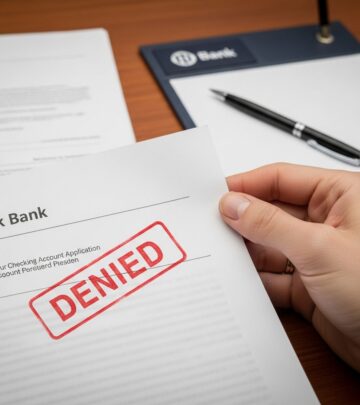
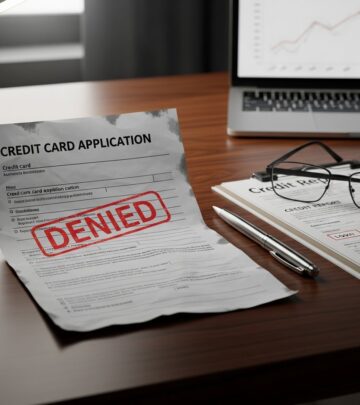
Rejected for a Checking Account? Understand Why
Discover the hidden factors behind checking account denials and learn actionable steps to secure banking access despite banking history issues.

Opening a checking account is a fundamental step toward managing daily finances, yet many applicants face unexpected denials. Banks evaluate more than just credit scores; they scrutinize banking behavior through specialized systems. This article breaks down the primary causes of rejection, verification processes, and practical solutions to regain access to traditional banking services.
Primary Reasons Banks Turn Down Checking Account Applications
Banks deny checking accounts based on risk assessments derived from applicant data. Unlike credit checks for loans, these evaluations focus on past banking conduct, identity verification, and regulatory compliance. Understanding these triggers empowers individuals to address issues proactively.
- Negative Banking History Reports: Systems like ChexSystems flag prior problems such as unpaid overdraft fees or frequent bounced checks, signaling potential risk to the bank.
- Fraud or Suspicious Activity: Accounts linked to unauthorized transactions or identity theft attempts often result in automatic denials to protect the institution.
- Incomplete or Failed Identity Verification: Mismatched personal details or lack of required documents prevent approval during the Know Your Customer (KYC) process.
- Regulatory Restrictions: Sanctions lists or criminal records can block applications under federal banking laws.
These factors stem from banks’ need to minimize losses from non-sufficient funds (NSF) incidents and fraud, which cost U.S. financial institutions billions annually.
How Banks Screen Applicants Before Approval
The application process involves multiple layers of review. Upon submission, banks pull reports from consumer reporting agencies specialized in banking data. This differs from FICO scores used for credit products.
| Screening Type | What It Checks | Common Impact |
|---|---|---|
| ChexSystems Report | Overdrafts, unpaid fees, account closures | Denial if score below threshold |
| Early Warning Services (EWS) | Fraud alerts, deposit account fraud | Blocks high-risk applicants |
| Government Watchlists | OFAC sanctions, criminal flags | Immediate rejection |
| Identity Verification | ID docs, address proof, SSN match | Delays or denials for mismatches |
About 68% of banks use ChexSystems for applicant screening, making a clean report crucial. Approval typically requires no unresolved negative items within the past few years.
Decoding Your ChexSystems Report: The Biggest Hurdle
ChexSystems compiles data on checking and savings accounts over a 5-year lookback period. Negative entries include involuntary closures due to overdrafts exceeding $5 or repeated NSF occurrences. Even voluntary closures after fee disputes can appear.
To access your report:
- Visit ChexSystems.org and request a free annual disclosure.
- Review for accuracy; disputes must be filed within 60 days of notification.
- Pay outstanding balances to banks directly, as this updates the report.
Reports show a ChexSystems score from 1-100; scores under 500 often lead to denials at major banks. Resolving issues can take 30-45 days to reflect.
Fraud Flags and Identity Theft: Clearing Your Name
Fraud notations arise from confirmed unauthorized activities or uncollected returned items. Victims of identity theft may unknowingly inherit these flags. Banks report to EWS or TeleCheck for deposit fraud.
Steps to resolve:
- File a police report and FTC identity theft affidavit.
- Contact reporting agencies to place fraud alerts.
- Provide evidence to the original bank for removal.
Resolution timelines vary; EWS entries last up to 5 years unless disputed successfully.
Documentation Shortfalls: What Banks Require for Verification
Strict KYC rules mandate two forms of ID and address proof. Common pitfalls include expired documents or non-matching names.
Required items typically include:
- Government-issued photo ID (driver’s license, passport).
- SSN or ITIN.
- Proof of address (utility bill under 60 days old, lease).
- Minimum opening deposit ($25-$100 at many institutions).
For joint accounts, all parties must submit docs simultaneously. Online applications scan these via mobile upload.
Overcoming Denials: Second-Chance and Alternative Banking Options
Not all banks deny based on ChexSystems; second-chance accounts cater to those with blemished histories. These feature restrictions like no checks or overdraft protection but build positive history.
| Account Type | Key Features | Providers |
|---|---|---|
| Second-Chance Checking | Fee waivers after 12 months, no ChexSystems pull | Chime, Varo, Wells Fargo Clear Access |
| Prepaid Debit Cards | Direct deposit, bill pay, no credit check | Netspend, Green Dot |
| Credit Union Options | Lower fees, flexible policies | Local NCUA members |
Building history: Maintain positive balance for 12 months to graduate to standard accounts.
Steps to Successfully Open a New Checking Account
After addressing report issues, target lenient institutions. Prepare thoroughly:
- Research banks waiving ChexSystems (e.g., online neobanks).
- Gather pristine docs; use state ID if no driver’s license.
- Opt for in-person applications for disputed cases.
- Fund with exact minimum deposit.
Post-approval, enable alerts and link savings for overdraft protection to avoid repeats.
Preventing Future Rejections: Best Practices for Account Management
Proactive habits ensure long-term approval odds. Opt into overdraft protection, monitor balances daily via apps, and reconcile statements monthly. Avoid check-writing if prone to errors; use digital payments instead.
Financial education resources from FDIC highlight budgeting tools to prevent NSF fees.
FAQs: Checking Account Denials Answered
Does a credit score affect checking account approval?
No, banks rarely pull credit reports for deposit accounts, focusing on banking-specific histories instead.
How long do negative ChexSystems entries last?
Up to 5 years, but paid balances drop off sooner upon verification.
Can I open an account without SSN?
Limited options exist with ITIN for non-citizens; some neobanks accept alternatives.
What if denied multiple times?
Switch to second-chance providers or prepaid cards to rebuild history.
Are online banks more lenient?
Many skip ChexSystems, but verify policies individually.
In summary, checking account denials often trace to fixable issues like unpaid fees or verification gaps. By obtaining reports, resolving disputes, and selecting appropriate providers, most individuals restore banking access within months.
References
- How to open a checking account, what you’ll need and more — Citizens Bank. 2025. https://www.citizensbank.com/learning/how-to-open-a-checking-account.aspx
- What you need to open a checking account — HSBC USA. 2025. https://www.us.hsbc.com/checking-accounts/what-do-you-need-to-open-a-checking-account/
- What Do You Need to Open a Bank Account? — PNC Insights. 2025. https://www.pnc.com/insights/personal-finance/spend/what-do-you-need-to-open-a-bank-account.html
- Essential Requirements for Opening a Bank Account in 2025 — Business Insider. 2025. https://www.businessinsider.com/personal-finance/banking/what-do-i-need-to-open-a-bank-account
- What Do You Need to Open A Bank/Checking Account? — Huntington Bank. 2025. https://www.huntington.com/learn/checking-basics/what-do-i-need-to-open-a-bank-account
- What Do You Need to Open a Bank Account? — Chase. 2025. https://www.chase.com/personal/banking/education/basics/what-you-need-to-open-a-bank-account
Similar Articles








Read full bio of Sneha Tete