How to Regrow Vegetables From Kitchen Scraps
Transform kitchen scraps into fresh vegetables and save money while reducing food waste.
Regrowing vegetables from kitchen scraps is an easy way to get the perks of a veggie garden without the work and expense. Instead of tossing out vegetable ends and roots, you can transform them into fresh produce right on your kitchen countertop or in a small garden space. This money-saving practice not only reduces food waste but also provides you with a continuous supply of fresh vegetables throughout the year. Whether you’re a seasoned gardener or a complete beginner, regrowing vegetables is a simple and rewarding way to extend the life of your groceries.
Why Regrow Vegetables From Scraps?
Regrowing vegetables offers multiple benefits that make it worth the minimal effort required. First, it’s incredibly economical—you’re essentially getting free vegetables from scraps you would normally discard. Second, it reduces household food waste, contributing to environmental sustainability. Third, you’ll have access to fresh produce without the expense of buying new plants or seeds. Finally, it’s an educational and engaging activity for families, teaching children where food comes from and how plants grow.
Best Vegetables to Regrow From Kitchen Scraps
Potatoes
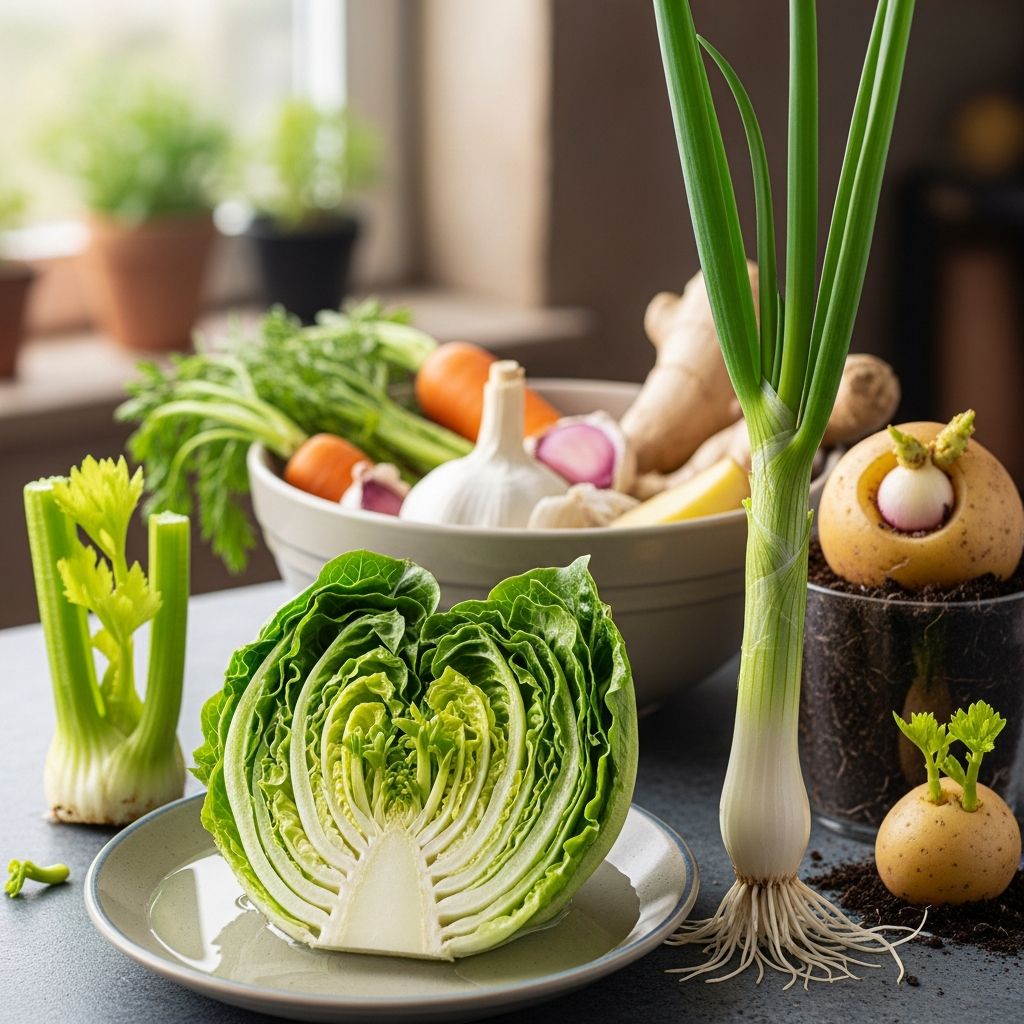
Potatoes are considered one of the very best vegetables to regrow from scraps. Unlike true root vegetables such as carrots and beets, tubers actually regrow from pieces of themselves, making them exceptionally productive. When a potato has sprouted in your pantry, don’t throw it out—those sprouts are the beginning of the plant regrowing itself. Every single one of the eyes on a potato is capable of creating a new plant that will grow approximately 5 to 8 more potatoes. If you’re looking to get substantial food yields from your grocery store scraps, potatoes are the vegetable for you.
To regrow potatoes, simply plant the sprouted pieces in soil and provide adequate moisture and sunlight. Within weeks, you’ll have new potatoes ready for harvest.
Green Onions
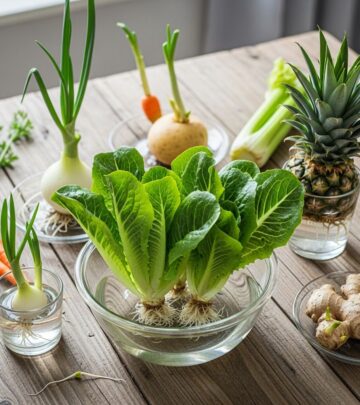
Green onions are among the easiest vegetables to regrow from kitchen scraps. Simply place the white root ends in a glass of water on your windowsill. Within days, new green shoots will emerge from the center. Change the water every couple of days to keep the scraps fresh, and you’ll have an ongoing supply of fresh green onions for your cooking needs.
Celery
Like romaine lettuce, celery regrows from the heart. The celery you buy from the store is usually a bunch of stalks with the leaves removed, but you may find some little leaves in the very center. If you cut off all the stalks and stick the base in some water, new leaves will form in the middle as the plant gets ready to photosynthesize. Place the celery base in a shallow dish of water and position it in a sunny location for best results.
Lettuce
Lettuce plants can regrow leaves from their base, though the results may not be exactly what you started with. The regrown leaves are often bitter and won’t form another full head. However, you can still harvest tender young leaves for salads. Place the lettuce root base in water and watch new growth emerge from the center.
Garlic
Garlic cloves can be regrown into full bulbs with patience and proper care. Plant individual cloves in soil with the pointed end facing up, and they’ll develop roots and shoots. Over time, these will form new garlic bulbs ready for harvest.
Ginger
If you have a hand of ginger from the store, each of the fingers on that hand has little nodules that are capable of producing sprouts. These sprouts become leafy growth aboveground, and once those leaves send energy back down to the root, the plant will produce new rhizomes. If your ginger has eyes with greenish tips, you’re already on your way to homegrown ginger. However, note that you will need a heat mat to regrow this veggie scrap, as ginger is a tropical plant and you have to trick it into thinking it’s somewhere warm for it to sprout.
Basil and Cilantro
Herbs like basil and cilantro readily regrow from stem cuttings. Simply place the cut stems in water, and within days, roots will form. Once roots develop, you can either keep them in water or transplant them to soil for continued growth.
Sweet Potatoes
Sweet potatoes can be regrown similarly to regular potatoes. Plant sprouted pieces in soil and provide warmth, moisture, and sunlight. You’ll be able to harvest new sweet potatoes within several months.
Vegetables That Are Not Worth Regrowing
While many vegetables can technically be regrown, some are simply not worth the effort. Scraps of root crops like carrots and beets, for instance, can only be grown for their leafy tops. These leafy tops may be nutritious but won’t provide the substantial harvests that other vegetables offer. Similarly, onions and mushrooms require more specialized conditions and longer growing periods, making them less practical for home regrowing projects.
Essential Tips for Successful Vegetable Regrowing
- Start with organic produce: You’ll get better results if you start with organic produce from the store or farmers’ market. Non-organic produce has usually been treated with chemicals to prevent sprouting.
- Use minimal water: Most scraps only need about 1 inch (2.5 cm) of water to regrow their roots.
- Change water regularly: Change the water every couple of days so that your scraps stay fresh.
- Provide adequate sunlight: Place your regrowing vegetables in a sunny windowsill or under grow lights for optimal growth.
- Monitor for mold: If you notice mold developing, change the water immediately and ensure proper air circulation.
- Be patient: Different vegetables have different growth rates. Some may regrow within days, while others take weeks or months.
- Transition to soil: For long-term growth, eventually transplant your water-rooted vegetables to soil for more robust development.
Step-by-Step Guide to Regrowing Vegetables in Water
What You’ll Need
- Vegetable scraps (green onion roots, celery bases, lettuce roots, etc.)
- Glass or jar with water
- Sunny windowsill or grow light
- Water (filtered or tap water left out overnight)
Instructions
- Prepare your scraps: Rinse the vegetable scraps thoroughly under running water to remove any dirt or debris.
- Fill container with water: Add approximately 1 inch of water to your glass or jar.
- Place scraps in water: Position the vegetable scraps in the water, root-side down, ensuring the roots are submerged but the top remains above water.
- Position in sunlight: Place the container in a sunny windowsill where it receives at least 6 hours of indirect sunlight daily.
- Change water regularly: Every 2-3 days, pour out the old water and replace it with fresh water to prevent bacterial growth and mold.
- Monitor growth: Within days to weeks, you should see new roots forming and green shoots emerging.
- Harvest or transplant: Once sufficient growth occurs, either harvest the fresh greens or transplant to soil for continued development.
Transitioning From Water to Soil
While water-based regrowing works well for short-term harvests, transitioning your vegetables to soil allows for more robust, long-term growth. Once your vegetable scraps have developed a substantial root system in water (typically 1-2 inches of roots), prepare a pot with nutrient-rich potting soil. Gently transplant the rooted scrap into the soil, keeping it moist but not waterlogged. Place the pot in a sunny location and care for it as you would a regular houseplant. With proper care, your regrown vegetables will thrive in soil and produce multiple harvests.
Common Mistakes to Avoid
- Using non-organic produce: Chemically treated vegetables often won’t sprout. Opt for organic options when possible.
- Overwatering: Too much water can lead to rot and mold. Stick to approximately 1 inch of water.
- Neglecting water changes: Stagnant water promotes bacterial and fungal growth. Change it every 2-3 days.
- Insufficient sunlight: Most regrowing vegetables need 6+ hours of sunlight daily. A sunny windowsill is ideal.
- Expecting full harvests: Regrown vegetables may not produce exactly what you started with. Adjust expectations accordingly.
- Ignoring mold: If mold develops, immediately change the water, clean the container, and ensure better air circulation.
Frequently Asked Questions
Q: How long does it take to regrow vegetables from scraps?
A: Timeline varies by vegetable. Green onions and lettuce may show growth within 3-5 days, while potatoes and garlic may take several weeks to months before producing harvestable yields.
Q: Can I regrow vegetables indefinitely in water?
A: While some vegetables can survive indefinitely in water (like green onions), most produce better, longer-term results when transitioned to soil after developing roots.
Q: What’s the best location for regrowing vegetables indoors?
A: A sunny south-facing windowsill is ideal, as it provides 6+ hours of natural sunlight daily. If natural light is limited, consider using a grow light positioned 6-12 inches above the plants.
Q: Do I need special equipment to regrow vegetables?
A: Most equipment you likely already have—jars, glasses, bowls, and water. The exception is ginger, which requires a heat mat to simulate tropical growing conditions.
Q: Can children participate in regrowing vegetables?
A: Absolutely! Regrowing vegetables is a safe, educational activity that teaches children about plant biology and sustainability. Kids can help prepare scraps, fill containers with water, and monitor growth.
Q: Is regrowing vegetables truly cost-effective?
A: Yes. You’re using scraps you would normally discard, requiring minimal additional investment beyond what you already spent on the original vegetables. Over time, savings accumulate significantly.
Q: What should I do if my regrown vegetables develop a bad smell?
A: A foul odor indicates bacterial overgrowth. Immediately replace the water, clean the container thoroughly, and increase the frequency of water changes moving forward.
Getting Started With Your Vegetable Regrowing Journey
Regrowing vegetables from kitchen scraps is an accessible, rewarding practice that combines money-saving benefits with environmental responsibility. Whether you’re motivated by reducing expenses, minimizing food waste, or simply enjoying the satisfaction of growing your own food, this hobby offers something for everyone. Start with easy vegetables like green onions or celery, master the basic techniques, and gradually expand to more challenging varieties. Within weeks, you’ll be amazed at how your kitchen scraps transform into fresh, homegrown produce. Begin today by saving your next handful of vegetable scraps and discovering the remarkable potential hidden in what you would normally throw away.
References
- 6 Veggies That Are Worth Regrowing from Scraps (and 9 That Are Not) — Gardenary. 2024. https://www.gardenary.com/blog/regrowing-veggie-scraps
- 9 Foods You Can Regrow From Kitchen Scraps — The Penny Hoarder. https://www.thepennyhoarder.com/save-money/foods-you-can-regrow-from-kitchen-scraps/
- 9 Foods You Can Regrow From Kitchen Scraps — AOL. https://www.aol.com/9-foods-regrow-kitchen-scraps-174250101.html
Similar Articles








Read full bio of Sneha Tete