Regional Variations in Auto Insurance Costs
Understanding why your state's car insurance premiums differ dramatically from others.
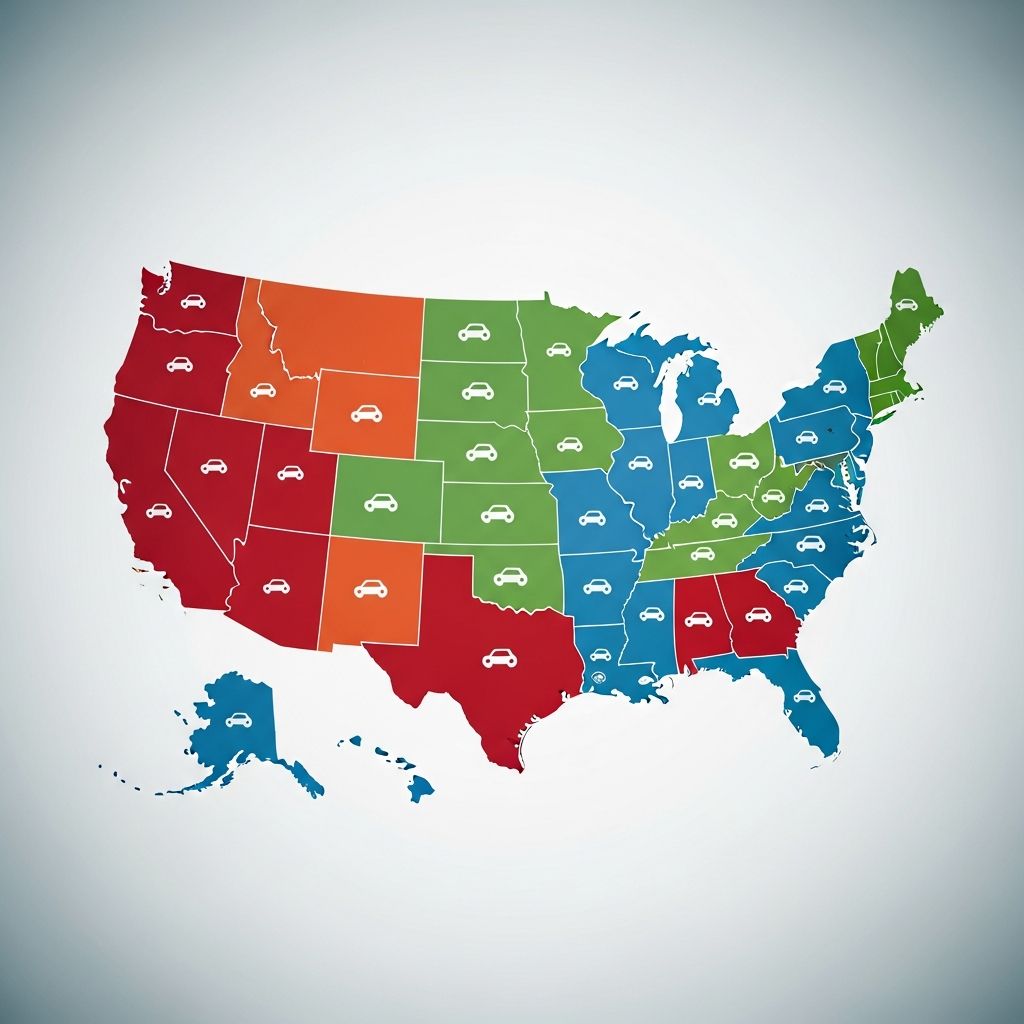
Understanding the Geographic Divide in Vehicle Insurance Premiums
Vehicle insurance represents one of the largest recurring expenses for American drivers, yet the amount individuals pay varies dramatically depending on their location. The disparity between the most expensive and least expensive states creates a significant financial burden for residents in high-cost regions. This geographic variation stems from numerous interconnected factors including population density, weather patterns, traffic infrastructure, regulatory environments, and accident frequency rates.
The Current Landscape of State-by-State Insurance Pricing
As of 2026, the United States exhibits considerable variation in automobile insurance premiums across different states. Nevada leads the nation with an average monthly premium of $335 for full coverage insurance, while Vermont offers the most competitive rates at approximately $128 per month. This represents nearly a three-fold difference between the most and least expensive states, translating to potential annual savings or additional costs exceeding $2,400 for drivers switching between these regions.
Beyond these extremes, multiple states cluster in the high-cost category. Louisiana and Florida consistently rank among the top three most expensive states, with Louisiana averaging around $327 monthly and Florida approximately $311 monthly for full coverage. Other expensive states include Connecticut, Delaware, and Rhode Island, each commanding premium rates exceeding $270 per month. Conversely, several northern and rural states maintain substantially lower insurance costs, providing their residents with more affordable coverage options.
Premium Variations Across Major Expense Categories
When examining the complete cost of vehicle ownership beyond insurance alone, different states present unique financial profiles. Several states emerge as particularly expensive when considering all automotive expenses combined, including insurance, fuel, maintenance, and registration fees.
- Delaware: Ranks as the most expensive state for total car ownership at $7,452 annually, driven by high gas costs ($2,687) and substantial insurance premiums ($2,149)
- Georgia: Features the nation’s highest auto insurance premiums individually at $2,912 yearly, despite possessing the lowest registration fee ($20) in America
- New Mexico: Combines elevated insurance premiums ($2,160) with above-average fuel expenses ($1,569) for a total annual cost of $5,474
- Mississippi: Burdens drivers with the nation’s highest registration fee ($719), alongside significant maintenance costs ($2,064) from above-average annual mileage
- Arizona: Imposes a registration fee ($564) tied to vehicle value and age, combined with substantial insurance costs ($1,628)
The Role of Insurance as a Primary Cost Driver
Among all vehicle ownership expenses, insurance premiums represent the most volatile component across different states. While fuel costs and maintenance expenses show relatively consistent patterns nationwide, insurance pricing demonstrates extreme regional variation reflecting unique market conditions and regulatory frameworks.
Full coverage automobile insurance averages $208 monthly nationally, serving as a baseline for comparison. States significantly exceeding this average typically experience elevated premiums due to specific regional characteristics that increase insurance company risk assessments and claims frequency.
Geographic Factors Influencing Premium Determinations
Multiple interconnected geographic and demographic factors contribute to the significant variation in insurance premiums across different states. Understanding these determinants provides insight into why residents of certain regions face substantially higher insurance costs than their counterparts elsewhere.
Urban density and traffic patterns: Nevada’s position as the most expensive state reflects the concentration of population in congested metropolitan areas such as Las Vegas and Reno. High-density urban environments generate elevated accident rates, vehicle theft incidents, and comprehensive claims, which insurance companies incorporate into their risk models.
Weather and natural disasters: States prone to hurricanes, flooding, or severe winter weather experience higher comprehensive and collision claim frequencies. Florida’s elevated premiums partially stem from hurricane-related damage and weather-related accidents, while northern states with harsh winters face increased accident risk during adverse conditions.
Population age demographics: States with younger populations statistically experience higher accident rates, leading to increased insurance premiums. Conversely, regions with older, more established populations often maintain lower insurance costs due to demonstrated safer driving records.
Regulatory and legal environment: State-specific insurance regulations, liability laws, and judicial systems significantly impact insurance pricing. States with more litigious environments or higher medical cost benchmarks typically maintain elevated insurance premiums.
Combined Household Insurance Expense Analysis
Examining the total financial burden when combining both home and auto insurance provides a more comprehensive understanding of regional insurance costs. Certain states emerge as particularly expensive when evaluating combined household insurance obligations.
| Rank | State | Avg Home Premium (Annual) | Avg Auto Premium (Annual) | Combined Total (Annual) | Monthly Average |
|---|---|---|---|---|---|
| 1 | Florida | $7,136 | $3,852 | $14,840 | $1,237 |
| 2 | Louisiana | $5,986 | $4,180 | $14,346 | $1,196 |
| 3 | Colorado | $4,963 | $3,222 | $11,407 | $951 |
| 4 | Oklahoma | $5,010 | $2,705 | $10,420 | $868 |
| 5 | Kansas | $5,260 | $2,410 | $10,080 | $840 |
This analysis reveals that Florida and Louisiana residents face combined household insurance expenses exceeding $14,000 annually, representing substantial financial commitments for state residents. The compounding effect of both high home and auto insurance premiums creates significant economic pressure in these regions.
Individual State Insurance Premium Profiles
Full coverage automobile insurance costs demonstrate significant variation when examining individual state premiums. The following states represent the most expensive markets for vehicle insurance protection:
- Florida: $3,950 annually for full coverage, substantially exceeding the national average
- New York: $3,848 annually, reflecting dense urban populations and litigious regulatory environment
- Louisiana: $3,626 annually, driven by hurricane exposure and regional risk factors
- Nevada: $3,564 annually, influenced by concentrated Las Vegas population and traffic patterns
- Michigan: $3,375 annually, reflecting no-fault insurance requirements and regional risk profiles
- Colorado: $3,200 annually, driven by urban concentration in Denver metropolitan area
Minimum Coverage Requirements and Their Impact
State-mandated minimum liability coverage limits vary considerably across the nation, influencing overall insurance costs and financial risk exposure. States establishing higher minimum coverage requirements typically see corresponding increases in baseline insurance costs.
Coverage requirements range from relatively modest mandates in some states to comprehensive requirements in others. For example, New York mandates minimum coverage of 25/50/10 (bodily injury and property damage limits), while some states require higher thresholds. Drivers selecting minimum coverage rather than full coverage can significantly reduce their premiums, though accepting substantially higher personal financial risk in accident scenarios.
Strategies for Managing Insurance Expenses in High-Cost States
Residents of expensive insurance states can implement several strategies to mitigate their insurance costs and improve overall affordability without compromising essential protection.
- Compare multiple insurance providers and obtain competitive quotes regularly, as pricing varies substantially between companies
- Bundle auto and home insurance policies to access multi-policy discounts from insurers
- Increase deductible amounts to lower premium costs, provided emergency funds exist to cover potential deductible obligations
- Maintain clean driving records by avoiding violations and accidents that substantially increase insurance rates
- Inquire about available discounts including safe driver discounts, defensive driving course discounts, and usage-based insurance programs
- Consider usage-based insurance programs that monitor driving habits and reward safe driving with premium reductions
- Evaluate whether full coverage remains necessary for older vehicles where collision and comprehensive coverage costs may exceed vehicle value
The Economics of Vehicle Ownership Across Regions
Total vehicle ownership costs extend significantly beyond insurance premiums alone, encompassing fuel, maintenance, registration fees, and depreciation. Regional variation in these combined costs creates substantially different financial impacts on residents across different states.
States with expensive insurance premiums often compound these costs with additional factors. High fuel prices in certain regions, elevated vehicle registration fees, or above-average annual mileage requirements due to geographic dispersal all contribute to inflated total ownership costs.
Frequently Asked Questions About Regional Insurance Variations
- Why does Nevada have the highest insurance rates despite not having extreme weather?
- Nevada’s elevated rates stem primarily from concentrated urban populations in Las Vegas and Reno, where traffic congestion, high accident rates, and vehicle theft incidents elevate insurance company risk assessments.
- Can drivers reduce insurance costs by relocating to cheaper states?
- While relocating offers potential insurance cost reductions, the comprehensive financial analysis should include housing costs, employment opportunities, and quality of life factors that often offset insurance savings.
- Why do some states require minimum liability coverage higher than others?
- State legislatures establish minimum coverage requirements based on historical claims data, accident frequencies, and policy decisions regarding consumer protection and financial responsibility standards.
- Does homeowners insurance cost correlate with auto insurance expenses?
- Significant correlation exists in many states, as geographic factors like weather exposure and natural disaster risk affect both property and vehicle insurance underwriting decisions.
Looking Forward: Evolving Insurance Cost Trends
Vehicle insurance pricing continues evolving as insurance companies refine risk assessment models, incorporate telematics data, and respond to changing driver demographics and accident patterns. Technological advances including autonomous vehicle systems may ultimately reshape insurance pricing structures, though substantial geographic variation will likely persist due to fundamental differences in state regulatory environments and demographic profiles.
Consumers residing in high-cost insurance states should maintain awareness of their insurance costs, regularly review available options, and implement strategies to optimize their coverage decisions based on individual circumstances and financial situations.
References
- Car Insurance Rates by State 2026 — ValuePenguin. ValuePenguin. 2026. https://www.valuepenguin.com/car-insurance-by-state
- Car Insurance Rates by State: 2026 Comparison — World Population Review. World Population Review. 2026. https://worldpopulationreview.com/state-rankings/car-insurance-rates-by-state
- Most Expensive States to Own a Car in 2026 — MoneyGeek. MoneyGeek. 2026. https://www.moneygeek.com/living/driving/most-expensive-states-to-own-a-car/
- The 10 Most Expensive States for Home and Auto Insurance in 2026 — Trailstone Insurance. Trailstone Insurance. 2026. https://trailstoneinsurance.com/blog/the-10-most-expensive-states-for-home-and-auto-insurance-in-2026
- Car Insurance Rates by State for 2026 — Bankrate. Bankrate. 2026. https://www.bankrate.com/insurance/car/states/
- How Much Car Insurance Costs in Every US State for 2026 — MotorBiscuit. MotorBiscuit. 2026. https://www.motorbiscuit.com/heres-how-much-car-insurance-costs-in-every-us-state-for-2026-and-why-yours-is-so-high/
Similar Articles








Read full bio of Sneha Tete