Refreshing Your Credit Report Balances
Discover effective strategies to ensure your credit report displays the most current account balances and boost your financial profile swiftly.

Your credit report serves as a financial snapshot, influencing everything from loan approvals to interest rates. Accurate balance information is crucial because it directly affects your credit utilization ratio, a key factor in scoring models. Lenders typically report balances monthly, often reflecting the statement balance at cycle end, even if you’ve paid it off afterward. This guide explores how to monitor, correct, and accelerate updates to keep your report current.
Understanding Credit Report Update Cycles
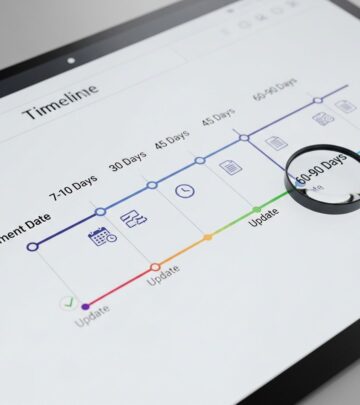
Credit reports from major bureaus like Experian, Equifax, and TransUnion receive updates from lenders on varying schedules, usually every 30 to 45 days. Each creditor chooses its own reporting date, meaning your report can evolve daily as new data arrives. For instance, a credit card issuer might submit balances mid-month, while a mortgage servicer reports at month-end.
This asynchronous process explains why a zero balance after payment might not appear immediately. The reported figure is typically the billing statement amount, not real-time activity. Changes like new purchases can also sustain a visible balance until the next cycle.
- Lenders report payment status and outstanding amounts monthly.
- Updates vary by creditor and bureau, creating ongoing changes.
- Statement balances, not current payoffs, often appear first.
Accessing Your Credit Reports Regularly
Monitoring is the first step to spotting discrepancies. Federal law mandates free weekly reports from AnnualCreditReport.com, covering all three bureaus. Experian offers free daily access online or via app, providing instant insights. If a lender denies credit citing your report, request a free copy promptly.
Regular checks reveal if balances lag behind your records. Download apps for notifications on changes, ensuring you’re proactive about accuracy.
| Method | Frequency | Bureaus Covered |
|---|---|---|
| AnnualCreditReport.com | Weekly | All three |
| Experian Website/App | Daily | Experian only |
| Post-Denial Request | As needed | Disclosing bureau |
Steps to Correct Inaccurate Balance Data
If balances don’t match your statements, act swiftly. Start by contacting the creditor to confirm reporting and request immediate updates. Provide proof like payment confirmations.
Next, file a dispute with the bureau via online portals, mail, or phone. Include supporting documents such as bank statements or creditor letters. Bureaus must investigate within 30 days, contacting the lender for verification. If validated, corrections appear quickly.
- Review your report for outdated or wrong balances.
- Gather evidence of correct amounts.
- Submit dispute online for fastest processing.
- Follow up if no resolution in 30 days.
Disputes are free and effective for errors like unreported payoffs or clerical mistakes.
Expedited Updates with Rapid Rescoring
For urgent needs, like mortgage applications, rapid rescoring bypasses standard cycles. Lenders submit verified changes—such as paid debts—to bureaus for updates in 2-5 business days. This service incurs fees paid by the lender, not you.
Not all lenders offer it, so inquire early. Provide documentation like payoff letters. It’s ideal for time-sensitive loans where fresh data could secure better terms.
- Updates in days, not weeks.
- Boosts scores for qualifying events like debt payoffs.
- Lender-initiated only.
Enhancing Your Credit Profile Beyond Balances
While fixing balances, address other score influencers. Payment history weighs most heavily, with lates lingering seven years. Pay dues promptly to avoid damage.
Reduce utilization below 30% by paying down revolving debt. Tools like Experian Boost add positive utility and streaming payments instantly, potentially lifting scores. Paid collections may drop from newer models entirely.
Frequently Asked Questions
How long until my payoff shows on the report?
Typically next cycle, 30-45 days, unless disputed or rapid rescored.
Can I update balances myself directly?
No, contact creditors or dispute via bureaus; rapid rescoring needs lender.
Why does my zero-balance card still show debt?
Reported statement balance; new charges delay zeroing out.
Does disputing hurt my score?
No, inquiries from disputes don’t count against you.
How often should I check reports?
Weekly via free services for ongoing vigilance.
Proactive Strategies for Optimal Credit Health
Prevent issues by aligning payments with statement dates, automating them early. Negotiate with creditors for favorable reporting. Use score simulators to predict impacts before changes hit.
For homebuyers, time payoffs pre-application and request rapid rescoring. Businesses monitor commercial reports similarly, though cycles differ.
Technology aids: Alerts flag changes; aggregators compile bureau views. Stay informed on FCRA rights for free disputes and notices.
In summary, timely updates hinge on understanding cycles, swift disputes, and lender tools. Consistent monitoring empowers better financial outcomes.
References
- How to Update Balance Information on Your Credit Report — Experian. 2023-10-15. https://www.experian.com/blogs/ask-experian/updating-balance-information/
- How to Update Your Credit Report Quickly (Rapid Rescoring) — Self Inc. 2024-05-20. https://www.self.inc/blog/rapid-rescore
- How to Update Your Credit Report Quickly Using Rapid Rescore — The Muse. 2024-02-12. https://www.themuse.com/advice/how-to-update-credit-report-quickly
- How Often Is a Credit Report Updated? — Experian. 2023-11-08. https://www.experian.com/blogs/ask-experian/credit-information-is-updated-continuously/
- When Do Credit Scores Update? — Chase. 2024-01-22. https://www.chase.com/personal/credit-cards/education/credit-score/when-credit-scores-update
Similar Articles








Read full bio of Sneha Tete