Refinancing Home Equity Loans: Complete Guide
Learn how to refinance your home equity loan for better rates and terms.

Refinancing a Home Equity Loan: Why and How to Do It
A home equity loan allows you to borrow against the value of your home, and like any loan, refinancing can be an effective financial strategy. Refinancing a home equity loan involves applying for a new loan to replace your existing one, typically to secure better interest rates, adjust loan terms, or access additional funds. Understanding when and how to refinance can help you save money and achieve your financial goals.
Key Takeaways About Home Equity Loan Refinancing
Before diving into the details, here are the essential points to understand about refinancing a home equity loan:
- Refinancing can lower your monthly payments and allow you to lengthen or shorten your loan term based on your preferences
- Drawbacks include prepayment penalties and closing costs that can range from 1-5% of your loan principal
- You must meet specific qualification criteria including adequate equity, good credit score, and acceptable debt-to-income ratio
- If you don’t qualify for traditional refinancing, alternatives like personal loans, equity sharing agreements, and reverse mortgages exist
- You can refinance a home equity loan into a HELOC or conduct a cash-out refinance simultaneously with your primary mortgage
Steps to Refinancing Your Home Equity Loan
Assess Your Position
The first step in refinancing is determining whether it actually benefits you financially. This involves comparing current interest rates with your existing rate and calculating potential savings over time. A crucial consideration is how long you plan to stay in your home—you need enough time to break even, meaning your interest savings must outweigh the upfront costs of refinancing. For example, if refinancing will cost $3,000 in closing costs but save you $200 monthly, you’d need 15 months just to recover your initial investment.
Equity Check
Calculate your current equity stake in your home. Home equity equals your home’s current market value minus all outstanding debts secured by the property. For instance, if your home’s value has increased from $350,000 to $400,000, and you’ve paid down your mortgage and home equity loan to a combined total of $200,000, you have $200,000 in equity, representing a 50 percent equity stake. Most lenders require you to maintain a combined loan-to-value (CLTV) ratio of no more than 85 percent, meaning you must own at least 15 percent of your home free and clear.
Credit Score Review
Your credit score significantly impacts the interest rates lenders will offer and whether you’ll qualify for refinancing at all. Pull your credit report and check your score before applying. If you’ve substantially improved your credit since obtaining your original home equity loan, you may qualify for a considerably lower interest rate, making refinancing worthwhile. Most lenders require a minimum credit score of 620 to 640 for home equity loan refinancing, though better rates typically require scores of 740 or higher.
Shop for Lenders
Don’t accept the first offer you receive. Reach out to multiple lenders—banks, credit unions, and online lenders—to compare rates and terms. One lender might offer an 8.5 percent interest rate with no closing costs, while another offers 8.25 percent with closing costs included. When comparing offers, examine the annual percentage rate (APR), which includes all fees and gives a truer picture of the loan’s total cost than the interest rate alone.
Decide on Type of Refinance
Based on your financial goals, choose between three main options: a fixed-rate home equity loan, a variable-rate home equity line of credit (HELOC), or a cash-out refinance. A HELOC offers flexibility if you prefer accessing your equity gradually rather than receiving a lump sum. A fixed-rate loan provides payment predictability. A cash-out refinance typically offers a lower interest rate but involves replacing your current primary mortgage, requiring more extensive qualification.
Do the Application
Complete the formal application, providing comprehensive documentation including proof of income (pay stubs, tax returns, W-2s or 1099s), employment verification, bank and financial statements, current homeowners insurance policy, mortgage statements, and a complete list of assets and debts. Many lenders require a new property appraisal to assess your home’s current market value, which typically costs $300-$500.
Review Offers
Carefully examine all offer details, paying particular attention to APRs rather than just interest rates. If refinancing into a HELOC, understand how often rates will fluctuate and the maximum increase allowed per year. Compare closing costs, prepayment penalties, and any other fees before making your final decision.
How to Qualify for a Home Equity Loan Refinance
Having an existing home equity loan doesn’t automatically make you eligible for refinancing. Lenders have specific qualification requirements you must meet:
Adequate Amount of Equity
Your home serves as collateral, so lenders want assurance that your equity cushion is sufficient. Most require a combined loan-to-value ratio of no more than 85 percent, meaning all your outstanding home-backed debts combined cannot exceed 85 percent of your home’s total value. This ensures you retain at least 15 percent equity as a buffer against declining home values.
Sufficient Credit Score
A minimum credit score is essential. Most lenders require at least 620 for conventional refinancing, though some may accept scores in the mid-600s. However, the higher your credit score, the better interest rates you’ll receive. If you’ve improved your credit significantly since obtaining your original loan, refinancing may yield substantial savings.
Acceptable Debt-to-Income Ratio
Lenders typically won’t approve refinancing if your debt-to-income (DTI) ratio exceeds 43 percent. This ratio compares your total monthly debt payments to your gross monthly income. Calculate it by adding all monthly debt obligations (mortgage, car loans, credit cards, student loans, and the new refinanced home equity loan) and dividing by gross monthly income.
Solid Repayment Record
Lenders review your payment history on your existing home equity loan and other debts. Late payments, defaults, or charge-offs can disqualify you or result in higher interest rates. Maintaining on-time payments for at least 12 months before applying strengthens your application significantly.
Refinancing Your Mortgage and Home Equity Loan Simultaneously
Yes, you can refinance both your primary mortgage and home equity loan at the same time, typically through a cash-out refinance. This strategy involves taking out a larger mortgage than your current one, receiving the difference as cash, which you then use to pay off your home equity loan. This approach consolidates your debts into a single payment and may result in a lower overall interest rate since first mortgages typically carry better rates than home equity loans.
However, this approach requires meeting qualification standards for both loans and involves higher closing costs since you’re refinancing both debts. Consider whether the potential savings justify the combined costs before proceeding.
Common Questions About Home Equity Loan Refinancing
Q: Can you refinance a home equity loan into your primary mortgage?
No. Your home equity loan is a second mortgage that remains separate from your first mortgage. It cannot replace your primary mortgage. However, if you want to refinance your home’s existing mortgage while tapping into its equity, a cash-out refinance is the appropriate solution.
Q: Can you refinance a home equity loan into a HELOC?
Yes, you can refinance a home equity loan into a home equity line of credit. A HELOC provides revolving access to your equity, similar to a credit card, rather than a fixed lump sum. However, you must carefully weigh the benefits of flexibility against drawbacks such as variable interest rates and potential payment increases.
Q: What documentation do I need to refinance?
When refinancing, prepare proof of income (pay stubs, tax returns, W-2s or 1099s), proof of employment, bank and financial statements, your current homeowners insurance policy, latest mortgage and home equity loan statements, and a complete list of assets and debts.
Q: Can I still take out a home equity loan after refinancing?
Yes, it’s possible to take out a home equity loan after refinancing, provided you’ve built sufficient equity in your home. Lenders typically require 15 to 20 percent equity before approving additional home equity loans, based on the property’s current value and combined outstanding debts.
Q: What are prepayment penalties?
Some home equity loans include prepayment penalties—fees charged if you pay off the loan early. These penalties can range from a percentage of the remaining balance to a flat fee. Always review your existing loan’s terms to understand potential penalties before refinancing.
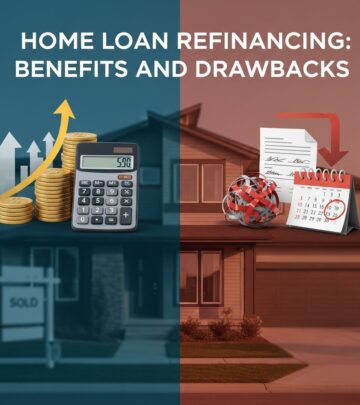
Benefits and Drawbacks of Refinancing
| Benefit/Drawback | Description |
|---|---|
| Lower Interest Rates | If rates have dropped since you obtained your original loan, refinancing can significantly reduce your interest burden |
| Adjusted Loan Terms | Refinancing allows you to shorten your loan term to pay off debt faster or lengthen it to reduce monthly payments |
| Consolidation | You can consolidate multiple debts into a single payment through cash-out refinancing or a debt consolidation loan |
| Closing Costs | Refinancing typically involves 1-5% of the loan principal in closing costs, which must be recovered through savings |
| Prepayment Penalties | Your existing loan may include penalties for early payoff, reducing net refinancing benefits |
| Extended Debt Timeline | Lengthening loan terms means paying more interest over time, even if monthly payments decrease |
Alternative Options if Refinancing Isn’t Possible
If you don’t qualify for traditional home equity loan refinancing, several alternatives exist:
Personal Loans
Unsecured personal loans don’t require home equity collateral, making them accessible to borrowers who’ve lost equity or prefer not to risk their home. Interest rates on personal loans are typically higher than home equity loans but may still be lower than credit cards.
Equity Sharing Agreements
In these arrangements, a third party provides capital in exchange for a percentage of future home equity appreciation. This option doesn’t involve taking on traditional debt but does mean sharing future gains.
Reverse Mortgages
For homeowners 62 or older, reverse mortgages allow you to convert home equity into cash without making monthly payments. The loan is repaid when you sell the home or pass away, making it suitable for retirees with substantial equity.
Cash-Out Refinance of Primary Mortgage
If you can’t refinance your home equity loan alone, refinancing your primary mortgage with a cash-out option may allow you to access equity while paying off the home equity loan simultaneously.
Important Considerations Before Refinancing
Before pursuing home equity loan refinancing, consider these important factors. First, calculate your break-even point—the time required for interest savings to exceed refinancing costs. If this period exceeds how long you plan to stay in your home, refinancing may not make financial sense. Second, review your current loan for prepayment penalties that could significantly impact savings. Third, consider rate trends—if rates are historically low, refinancing into a fixed rate may be wise, whereas if rates are rising, you might wait. Finally, ensure your employment and financial situation are stable, as major changes during the refinancing process can jeopardize approval.
Conclusion
Refinancing a home equity loan can be an excellent strategy for lowering monthly payments, adjusting loan terms, or consolidating debt. Success requires careful assessment of your financial position, thorough comparison of lender offers, and honest evaluation of whether potential savings justify refinancing costs. By following the steps outlined and understanding qualification requirements, you can make an informed decision about whether refinancing aligns with your financial goals. If traditional refinancing isn’t possible, explore alternative options that may provide the financial relief or flexibility you need.
References
- Refinancing A Home Equity Loan: Why And How To Do It — Bankrate. 2024. https://www.bankrate.com/home-equity/can-you-refinance-home-equity-loans/
- How To Refinance When You Have A Second Mortgage — Bankrate. 2024. https://www.bankrate.com/mortgages/refinance-second-mortgage/
- Mortgage Refinancing: What Is It And How Does It Work — Bankrate. 2024. https://www.bankrate.com/mortgages/how-does-refinancing-a-mortgage-work/
- Cash-Out Refinancing: What It Is, How It Works — Bankrate. 2024. https://www.bankrate.com/mortgages/cash-out-refinancing/
- Cash-Out Refinances Vs. Home Equity Loans — Bankrate. 2024. https://www.bankrate.com/home-equity/refinance-vs-home-equity-loans/
- How Much Equity Do You Need To Refinance — Bankrate. 2024. https://www.bankrate.com/mortgages/refinance-home-equity-is-important/
Similar Articles








Read full bio of medha deb