Refinance: Definition, Types, and Strategic Benefits
Master refinancing strategies to lower costs, improve terms, and optimize your loans.

What Is Refinancing?
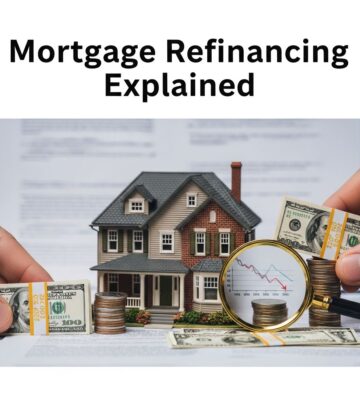
Refinancing is the financial process of replacing an existing loan with a new loan, typically offered by a different lender or the same lender with revised terms. The primary objective of refinancing is to obtain more favorable loan conditions, which may include a lower interest rate, reduced monthly payments, a shorter loan term, or access to cash through equity. When a borrower refinances, they essentially pay off the original debt with proceeds from the new loan, transferring the obligation from the old lender to the new one.
The concept of refinancing applies across various types of debt, including mortgages, auto loans, student loans, and personal loans. Refinancing decisions are typically driven by changes in market interest rates, improvements in the borrower’s credit score, shifts in financial circumstances, or strategic financial planning objectives. Understanding refinancing is essential for borrowers seeking to optimize their financial positions and reduce long-term debt obligations.
Key Reasons to Consider Refinancing
Borrowers pursue refinancing for several compelling reasons:
- Lower Interest Rates: The most common motivation is securing a lower interest rate, which reduces the total amount paid over the loan’s lifetime and decreases monthly payments.
- Improved Credit Score: If your creditworthiness has improved since obtaining the original loan, refinancing allows you to benefit from better rates reserved for higher-credit borrowers.
- Shortened Loan Term: Refinancing to a shorter term accelerates debt payoff and reduces total interest paid, though it increases monthly payments.
- Cash Access: Borrowers can extract equity from assets through cash-out refinancing to fund major expenses, consolidate debt, or invest.
- Changed Circumstances: Job changes, income increases, or life events may warrant refinancing to adjust loan terms accordingly.
- Rate Type Conversion: Switching from adjustable-rate to fixed-rate loans (or vice versa) provides payment predictability or flexibility.
Types of Refinancing
Rate-and-Term Refinancing
Rate-and-term refinancing, also called a “no cash-out” refinance, involves replacing an existing loan with a new one that has different interest rates and repayment terms, while maintaining the same loan amount. This type of refinancing does not provide additional funds to the borrower. The new loan pays off the old loan entirely, and the borrower begins making payments on the new loan with revised terms.
Rate-and-term refinancing is particularly attractive when interest rates decline, as borrowers can lock in lower rates and reduce their monthly obligations. This approach also works well when refinancing to a shorter term, allowing faster equity building and interest savings. The primary advantage is simplicity—no cash is extracted, making the process straightforward and often involving lower fees.
Cash-Out Refinancing
Cash-out refinancing enables borrowers to take out a new loan for more than the outstanding balance on their existing loan and receive the difference in cash. This approach requires the borrower to have built substantial equity in the asset, typically a home. For example, if a homeowner owes $250,000 on a mortgage with a home valued at $400,000, they could potentially refinance for $300,000, receiving $50,000 in cash while paying off the original mortgage.
Borrowers commonly use cash-out refinancing proceeds for home improvements, debt consolidation, education expenses, business investments, or emergency reserves. However, this type of refinancing increases the loan amount and extends the repayment period, which means paying more interest over time. Additionally, extracting equity reduces the ownership stake in the asset and increases financial risk if property values decline.
Streamline Refinancing
Streamline refinancing, also known as “simple” or “streamlined” refinancing, is a specialized program designed to simplify the refinancing process and reduce documentation requirements. These programs are often offered through government-backed loans, such as FHA (Federal Housing Administration), VA (Veterans Affairs), and USDA loans, to help borrowers quickly refinance to better terms with minimal paperwork and reduced closing costs.
Streamline programs typically require no new appraisal, minimal income verification, and faster approval timelines compared to traditional refinancing. These options are particularly beneficial for borrowers who may not qualify for conventional refinancing due to recent job changes, credit issues, or declining home values. The trade-off is that streamline refinancing often has restrictions on how much the interest rate can be reduced and may not allow cash-out options.
When Refinancing Makes Financial Sense
Determining whether to refinance requires analyzing several financial factors:
Break-Even Analysis
Calculate your break-even point by dividing refinancing costs (closing costs, appraisal fees, origination fees) by the monthly savings. This reveals how many months must pass before accumulated savings exceed upfront expenses. If you plan to stay in the home or keep the loan longer than the break-even period, refinancing is typically worthwhile.
Interest Rate Considerations
Financial experts traditionally recommend refinancing when interest rates drop 1% to 1.5% below your current rate, though lower drops may still be beneficial depending on circumstances and costs involved. Current market conditions, lender offerings, and your credit profile influence optimal refinancing decisions.
Loan Age Factor
Early-stage loans have payments weighted heavily toward interest, making refinancing particularly beneficial when done early. However, refinancing later in a loan term extends the repayment period, potentially increasing total interest paid unless refinancing to a significantly lower rate over a shorter timeline.
Refinancing Process and Costs
Application and Documentation
The refinancing process begins similarly to obtaining an original loan. Borrowers complete applications, provide financial documentation (tax returns, pay stubs, bank statements), authorize credit checks, and submit property information. Lenders evaluate creditworthiness, verify income, and assess property value.
Associated Fees and Costs
- Origination Fees: Charged by lenders for processing and underwriting, typically 0.5% to 1% of the loan amount.
- Appraisal Fees: Required to establish current property value, ranging from $300 to $700 depending on location and property type.
- Title Search and Insurance: Verify property ownership and protect against title defects, costing $200 to $400.
- Inspection and Survey Fees: Optional services that ensure property condition and boundary accuracy.
- Closing Costs: Attorney fees, recording fees, and other administrative costs, typically 2% to 5% of the loan amount.
Refinancing Different Loan Types
Mortgage Refinancing
Home mortgage refinancing is the most common refinancing type. Homeowners refinance to reduce interest rates, shorten repayment periods, convert between fixed and adjustable rates, tap home equity, or consolidate debt. The home serves as collateral, and refinancing affects the homeowner’s equity and long-term wealth building.
Auto Loan Refinancing
Vehicle owners refinance auto loans to secure lower interest rates, reduce monthly payments, shorten loan terms, or remove co-signers. Auto refinancing requires the vehicle to be in good condition with reasonable mileage. Credit improvements since the original loan’s origination are primary motivators for auto loan refinancing.
Student Loan Refinancing
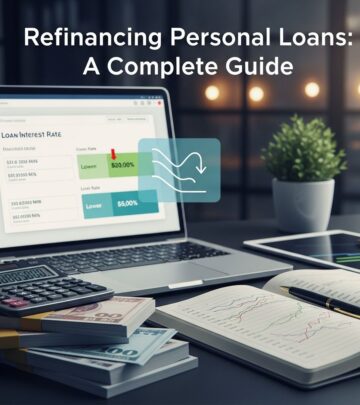
Federal and private student loan borrowers refinance to reduce interest rates, consolidate multiple loans into one, extend repayment periods for lower monthly payments, or accelerate payoff with shorter terms. However, refinancing federal student loans into private loans sacrifices federal protections like income-driven repayment plans and loan forgiveness programs.
Advantages and Disadvantages of Refinancing
Potential Benefits
- Significant interest savings over the loan’s remaining term
- Reduced monthly payment obligations
- Faster debt elimination through shorter loan terms
- Access to cash for emergencies or investments
- Improved payment predictability through rate type changes
- Simplified finances by consolidating multiple debts
Potential Risks and Drawbacks
- Substantial upfront closing costs may offset savings
- Extended loan terms increase total interest paid
- Hard inquiry impacts credit score temporarily
- Qualified borrowers may not achieve desired terms
- Cash-out refinancing reduces asset equity
- Income verification and credit review requirements
Frequently Asked Questions
Q: What is the difference between refinancing and taking out a new loan?
A: Refinancing replaces an existing loan with a new one, paying off the old debt completely. Taking out a new loan creates an additional debt obligation. Refinancing is strategic debt management, while new loans add to total debt.
Q: How does refinancing affect my credit score?
A: Refinancing causes a temporary credit score dip due to the hard inquiry and new account opening. However, the score typically rebounds within a few months as you make on-time payments on the new loan.
Q: Can I refinance if I have bad credit?
A: Bad credit makes refinancing more difficult and expensive, as lenders offer higher rates to compensate for increased risk. However, government-backed streamline programs sometimes accommodate lower credit scores with reduced documentation requirements.
Q: How long does the refinancing process take?
A: Traditional refinancing typically takes 30 to 45 days from application to closing. Streamline refinancing programs may complete faster, sometimes in 7 to 14 days with minimal documentation.
Q: Is refinancing worth it if I only have a few years left on my loan?
A: Refinancing late in a loan term is often less beneficial unless securing significantly lower rates or extracting needed cash. Calculate your break-even point to ensure savings justify costs.
Q: What is the typical interest rate difference that makes refinancing worthwhile?
A: Financial advisors often suggest refinancing when rates drop 1% to 1.5% below your current rate, though lower drops may be beneficial depending on costs, remaining term, and individual circumstances.
References
- Federal Reserve: Mortgages and Refinancing — Board of Governors of the Federal Reserve System. 2024. https://www.federalreserve.gov/
- Consumer Financial Protection Bureau: Refinancing Your Home Loan — U.S. Consumer Financial Protection Bureau. 2024. https://www.consumerfinance.gov/
- Federal Housing Administration: Streamline Refinancing — U.S. Department of Housing and Urban Development. 2024. https://www.hud.gov/
- Veterans Affairs: VA Loan Refinancing Programs — U.S. Department of Veterans Affairs. 2024. https://www.va.gov/
- StudentLoan.gov: Refinancing Student Loans — U.S. Department of Education. 2024. https://studentaid.gov/
- National Association of Realtors: Home Buyers and Sellers Guide — National Association of Realtors. 2024. https://www.realtor.org/
Similar Articles








Read full bio of medha deb