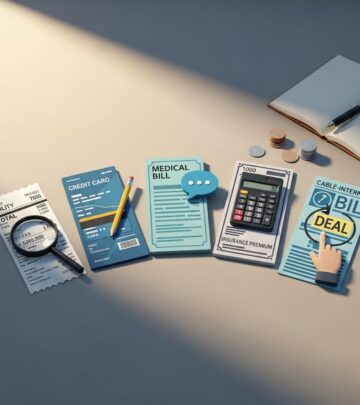
Reducing Your Utility Expenses Through Strategic Negotiation
Master the art of negotiating lower utility bills and unlock significant monthly savings.

Utility bills represent a significant portion of monthly household expenses, yet many consumers accept their current rates without questioning whether better terms are available. The reality is that utility providers frequently possess flexibility in their pricing structures and willingly negotiate with customers who approach the conversation strategically. By understanding the negotiation process and implementing proven tactics, homeowners and renters can substantially reduce their energy and water expenses.
Understanding the Landscape of Utility Negotiations
The fundamental principle underlying utility bill negotiation is recognizing that companies invest considerably in customer acquisition and retention. When a customer indicates they may switch providers or cancel service, utility companies often have entire departments dedicated to preventing this loss of business. These retention specialists typically have broader authority to offer discounts, adjust rates, or modify service terms compared to standard customer service representatives.
The negotiation environment varies significantly depending on your location. In deregulated utility markets, consumers have genuine choice between multiple suppliers, which creates natural competitive pressure that benefits the customer. Conversely, in regulated markets where a single utility monopoly controls service delivery, the leverage is more limited, though negotiation opportunities still exist through time-of-use plans, efficiency programs, and ancillary charges.
Foundation: Research and Information Gathering
Successful negotiation begins long before any conversation with your utility provider. The preparation phase determines whether you enter negotiations from a position of strength or weakness.
Analyzing Your Current Usage Patterns: Begin by thoroughly reviewing your utility bills from the past twelve months, noting seasonal variations, average monthly consumption, and any unexpected spikes. This historical data reveals your actual usage patterns and helps identify whether your current plan aligns with your consumption profile. Understanding when you use the most energy—whether concentrated in summer months for air conditioning or winter for heating—informs discussions about alternative rate structures.
Identifying Unnecessary Charges: Modern utility bills often contain ancillary fees beyond the base energy cost. These might include service charges, maintenance fees, billing administration costs, or technology surcharges. Many of these fees are negotiable or can be eliminated through plan changes. Scrutinize each line item and research whether similar providers charge comparable fees.
Documenting Your Payment History: Compile evidence of your reliability as a customer. Providers value customers with consistent, on-time payment records, and this becomes valuable leverage during negotiations. If you’ve been with the company for several years, this longevity is a negotiating asset.
Researching Competitor Offerings: In deregulated markets, document specific rates and terms offered by competing providers. Even in regulated markets, research what other customers in different service areas pay for comparable usage. This competitive intelligence demonstrates that you’ve done your homework and prevents providers from using information asymmetry against you.
Strategic Communication: Setting the Stage for Success
How you communicate during bill negotiations dramatically affects outcomes. The psychological and tactical elements of your approach matter as much as the facts you present.
Tone and Demeanor: Approach the conversation with courtesy and professionalism rather than frustration or anger. Representatives respond more favorably to respectful inquiries than to complaints or accusations. Your goal is to position yourself as a valuable customer worth retaining, not as an adversary demanding concessions.
Personalization and Connection: Begin the conversation by briefly personalizing yourself as an individual rather than remaining an account number. Mentioning how long you’ve been a customer, your reliability, or your commitment to the company humanizes the interaction and appeals to the representative’s desire to help rather than merely enforce policies.
Requesting the Right Department: Standard customer service representatives often lack authority to modify rates or remove charges. Explicitly request transfer to the customer retention or cancellations department, which typically has broader discretionary power. Phrasing this professionally—such as, “I’d like to explore options to stay with you; who would be the right person to discuss this?”—works better than demands.
Tactical Approaches During Negotiation
Several proven tactics increase your likelihood of securing concessions from utility providers.
Anchoring Your Position with Specificity: Rather than vaguely requesting “a better deal,” arrive with concrete targets. For example, state you want to reduce your monthly bill by twenty dollars or eliminate a specific fee. This specificity demonstrates seriousness and gives the provider a clear goal to work toward.
Strategic Anchoring and Concession Movement: Begin by requesting more favorable terms than your actual target, allowing room for negotiation and compromise. This creates psychological space where both parties can move toward a middle ground, making the representative feel they’ve achieved something for their company while you achieve your actual objective.
The Leverage of Departure Threat: Explicitly state that you’re considering switching providers or canceling service due to cost. This statement, when credible and stated calmly, activates the provider’s retention machinery. However, use this leverage authentically—representatives can detect insincerity.
Exploring Alternative Arrangements: Beyond simple rate reductions, discuss loyalty programs, bundle discounts, automatic payment incentives, paperless billing credits, or time-of-use rate structures. Some providers offer these benefits reluctantly until asked, and creative combinations may provide more overall savings than a simple rate decrease.
Negotiation Tactics by Utility Type
| Utility Type | Market Structure | Primary Negotiation Levers | Success Factors |
|---|---|---|---|
| Electricity | Deregulated (varies by region) | Competitive supplier rates, time-of-use plans, loyalty discounts | Research competitor offers; demonstrate willingness to switch |
| Natural Gas | Deregulated (varies by region) | Competing supplier terms, efficiency rebates, contract length | Highlight usage patterns; ask about seasonal discounts |
| Water | Usually regulated municipal | Conservation rebates, efficiency programs, leak adjustments | Emphasize conservation; request fee review |
| Internet/Bundled Services | Competitive | Promotional pricing, bundle combinations, speed tier adjustments | Reference competitor offers; request retention department |
Managing Challenges and Objections
Not every negotiation yields immediate success. Providers may initially decline your requests or offer limited concessions. Persistence and alternative approaches help overcome these obstacles.
Persistence Through Multiple Contacts: Different representatives possess different levels of authority and motivation to help. If your first call doesn’t produce results, try again another time. You may reach someone with greater flexibility or who approaches the situation differently.
Escalation Pathways: If initial representatives cannot help, ask for supervisors or managers. Each level of escalation typically brings individuals with greater decision-making authority and often greater motivation to retain your business.
Written Confirmation Requirements: Once you reach agreement, insist on written confirmation via email detailing the new rate, start date, duration of the promotional period, and any terms or conditions. This prevents misunderstandings and protects you from rates reverting without notice.
Long-Term Optimization and Ongoing Management
Successful bill negotiation is not a one-time event but an ongoing process. Market conditions, your usage patterns, and company promotions constantly evolve.
Scheduled Reviews: Mark your calendar to review utility bills quarterly and renegotiate annually or when promotional periods end. This prevents rate increases from going unaddressed simply through inattention.
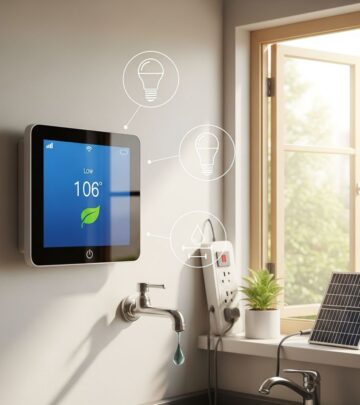
Complementary Energy Efficiency Measures: Combine negotiation tactics with practical efficiency improvements. Upgrading to programmable thermostats, improving insulation, fixing water leaks, or adjusting usage patterns reduces consumption independent of rate negotiations, creating compounding savings.
Staying Informed of Market Changes: In deregulated areas, monitor changes in available suppliers and rates. Regulatory agencies and consumer advocacy groups often publish this information. In regulated markets, track any rate case filings or regulatory decisions affecting your provider.
Special Considerations and Edge Cases
Multi-Unit Properties: Apartment dwellers and those in multi-unit buildings may have less direct negotiation access since building management typically contracts with utilities. However, discussing concerns with management and highlighting bulk negotiation opportunities may create leverage.
Budget Billing Programs: Some customers benefit from utility providers’ budget billing plans, which average costs across months to reduce bill volatility. Negotiating entry into these programs without enrollment fees can provide both cost certainty and savings.
Hardship Programs: Utility companies in many jurisdictions operate hardship programs for customers facing financial difficulties. These may include rate reductions, extended payment terms, or deferred payment options. If applicable, this represents a legitimate negotiation path.
Frequently Asked Questions
Is negotiating utility bills actually possible, or will providers refuse?
Utility companies retain entire departments focused on customer retention because acquiring new customers costs substantially more than retaining existing ones. Most companies remain willing to negotiate, particularly when customers demonstrate genuine consideration of leaving. Success depends on approaching negotiations professionally and with realistic expectations.
What if I live in a regulated utility market with no competition?
Even regulated monopoly markets offer negotiation opportunities through time-of-use rate structures, energy efficiency programs, conservation rebates, and ancillary fee adjustments. Leverage differs from competitive markets, but it still exists. Focus on demonstrating loyalty, requesting assistance from retention departments, and exploring alternative rate structures.
How often should I attempt to renegotiate my utility bills?
Annual negotiation represents a reasonable baseline, with additional attempts when promotional periods expire or when market conditions shift significantly. Setting calendar reminders prevents important renewal dates from passing unnoticed.
What should I do if my first negotiation attempt fails?
Failure on first attempt does not mean negotiation is impossible. Contact the provider again, potentially speaking with a different representative or requesting the retention department explicitly. Ask to speak with management if frontline support proves unhelpful.
Can I negotiate water and sewer bills?
While local governments typically set water rates through regulatory processes, you can inquire about conservation rebates, leak adjustment programs, and efficiency incentives. Water bill negotiation differs from electricity or gas but remains worthwhile exploring.
Conclusion: Taking Action on Your Utility Costs
Utility bill negotiation represents a practical, accessible method for reducing monthly expenses without sacrificing service quality or comfort. The process requires research, strategic communication, and persistence, but these investments consistently yield measurable financial returns. By understanding your current usage, researching alternatives, communicating professionally with the right departments, and maintaining ongoing attention to your bills, you position yourself to capture and retain substantial savings over time. The key is recognizing that utility rates are not immutable constants but rather starting points for negotiation with companies motivated to retain your business.
References
- How To Negotiate Your Utility Bills Down — The Black Swan Group. https://www.blackswanltd.com/newsletter/how-to-negotiate-your-utility-bills-down
- 9 Essential Tips to Negotiate for The Best Deals With Utility Providers — University of Georgia Online Education. https://open.online.uga.edu/nexera/part/9-essential-tips-to-negotiate-for-the-best-deals-with-utility-providers/
- Save Money on Bills: 2025 Guide to Negotiate and Cut Costs — FinHabits. https://www.finhabits.com/save-money-on-bills/
- The 5-Step Negotiation Process I Use To Lower My Monthly Bills — Riskology. https://www.riskology.co/negotiate-your-bills/
- How to Negotiate Your Way to Lower Monthly Bills — Guthrie Federal Credit Union. https://guthriefcu.org/negotiate-your-way-to-lower-monthly-bills/
Similar Articles








Read full bio of Sneha Tete