Reduce, Reuse, Recycle: Earth-Friendly Ways to Save Money
Discover 11 practical ways to reduce waste, reuse items, and recycle smartly while saving significant money on everyday expenses.
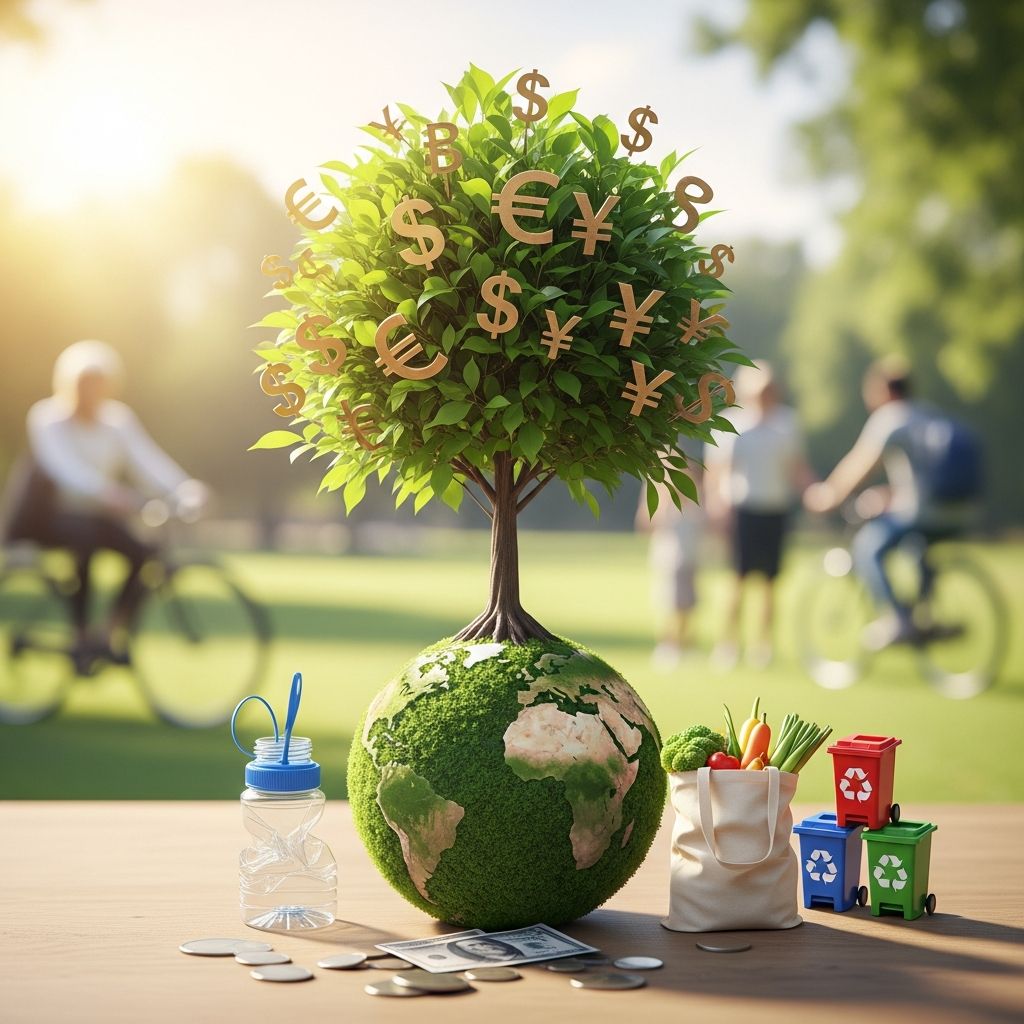
Embracing the principles of reduce, reuse, and recycle isn’t just good for the planet—it’s a smart strategy for your wallet. By making mindful choices in consumption, repurposing everyday items, and recycling correctly, you can slash household expenses while minimizing waste. This guide covers 11 practical tips drawn from proven money-saving tactics, helping you live sustainably without sacrificing convenience.
Reduce
The first R—reduce—focuses on consuming less to avoid unnecessary purchases and waste. Cutting back on what you buy directly lowers spending and landfill contributions.
1. Buy Only the Food You Need and Use What You Buy
Food waste is a major expense, with American households throwing away about 30% of their groceries. Plan meals weekly, check your pantry before shopping, and use apps to track expiration dates. Freeze leftovers immediately to extend usability. This habit can save a family of four up to $1,500 annually by preventing spoilage.
2. Before You Buy It, Make Sure You Need It
Impulse buys drain budgets. Adopt a 30-day rule: add non-essential items to a wishlist and revisit after a month. Ask if it solves a real problem or if you already own something similar. This curbs retail therapy, potentially saving hundreds on unused gadgets and clothes.
3. Choose Items With Less Packaging
Excess packaging adds to costs passed onto consumers. Opt for bulk bins at grocery stores, farmer’s markets, or brands like those offering shampoo bars over bottled versions. Buying in larger quantities or package-free reduces spending by 20-50% per unit and cuts plastic waste.
Reuse
Reuse extends the life of items, turning trash into treasure. Repurposing saves money on replacements and fosters creativity in daily routines.
4. Repurpose Household Items Creatively
Transform everyday discards: use toilet paper tubes as cord organizers, produce nets as soap savers, or old jars as storage. Holiday cards become gift tags, and cardboard boxes serve as drawer dividers. These zero-cost hacks replace $20+ organizational tools.
- Toilet paper tubes: Bundle cables or start seedlings.
- Produce boxes: Line drawers or store toys.
- Netted bags: Scrubbers for veggies or baths.
5. Switch to Reusable Products
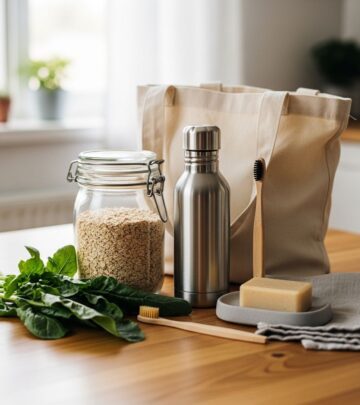
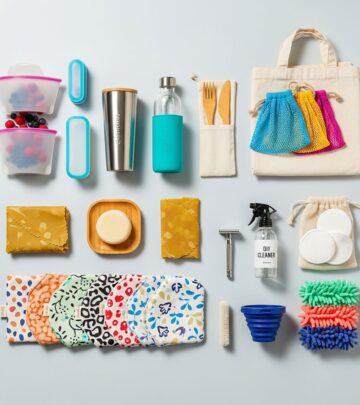
Disposable items like plastic bags, razors, and K-Cups add up. Invest in reusables: cloth produce bags ($10 set lasts years), safety razors (under $30, blades $0.20 each), and silicone food covers. Studies show reusables pay off in 3-6 months, with long-term savings exceeding 70%.
6. DIY Cleaning Supplies
Store-bought cleaners cost $5-10 per bottle. Mix vinegar, baking soda, and essential oils at home for pennies. A gallon of white vinegar ($3) replaces multiple products, saving $200 yearly while avoiding harsh chemicals.
7. Refill and Reuse Containers
Take empties to refill stations for detergents or join zero-waste shops. Reusable water bottles cut bottled water expenses from $1,000/year to nearly zero. Libraries lend tools, reducing buy needs for one-time projects.
Recycle
Proper recycling turns waste into resources, but only clean, sorted items qualify. Recycling saves energy equivalent to powering homes and reduces raw material costs.
8. Know Your Local Recycling Rules
Rules vary: rinse cans, flatten boxes, remove tape from paper. Check municipal sites for accepted plastics (usually 1-7). Wrong sorting contaminates loads, costing facilities millions—recycle right to keep systems efficient.
9. Compost Food Scraps
Composting diverts 30% of trash from landfills. Backyard bins ($40) or worm systems yield free fertilizer. Apartment dwellers use countertop units. Saves on trash fees and gardening costs up to $100/year.
10. Sell or Donate Unwanted Goods
Platforms like Facebook Marketplace or apps like OfferUp turn clutter into cash. Donate to thrift stores for tax deductions (average $150-500). This clears space and funds necessities.
11. Upcycle into Gifts or Decor
Turn pallets into furniture or wine corks into trivets. Custom gifts impress without high costs. Holiday tip: use recycled paper for wrapping, saving $50/season on supplies.
Cost Savings Breakdown
| Tip Category | Annual Savings Estimate | Environmental Impact |
|---|---|---|
| Reduce Food Waste | $1,000 – $1,500 | Reduces methane emissions |
| Reusables | $300 – $800 | Cuts plastic pollution |
| DIY Cleaners | $150 – $250 | Less chemical runoff |
| Composting | $50 – $150 | Enriches soil naturally |
| Total Potential | $1,500 – $2,700 | Significant waste diversion |
These estimates are conservative; diligent application yields higher returns.
Frequently Asked Questions (FAQs)
What is the most effective way to start reducing waste?
Begin with food planning and a shopping list to tackle the largest waste source immediately.
Do reusable products really save money long-term?
Yes, most break even within months and save 50-80% thereafter, as shown in comparative studies.
How do I find local recycling guidelines?
Visit your city’s waste management website or use apps like RecycleNation for precise rules.
Is composting feasible in small spaces?
Absolutely—countertop or balcony vermicomposting systems handle scraps for 1-4 people effectively.
Can I get tax benefits from donating?
Yes, itemize non-cash donations over $500 for deductions; get receipts and use IRS guidelines.
Bonus Tips for Maximum Impact
- Track progress with a waste journal to stay motivated.
- Join buy-nothing groups for free reusables.
- Teach kids these habits for lifelong savings.
Implementing these 11 strategies transforms your lifestyle into a cycle of savings and sustainability. Start small, build habits, and watch your bank balance and environmental footprint improve.
References
- Reducing Food Waste Through Consumer Education and Behavior Change — United States Environmental Protection Agency (EPA). 2023-06-15. https://www.epa.gov/sustainable-management-food/reducing-wasted-food-home
- National Overview: Facts and Figures on Materials, Wastes and Recycling — United States Environmental Protection Agency (EPA). 2024-11-20. https://www.epa.gov/facts-and-figures-about-materials-waste-and-recycling/national-overview-facts-and-figures-materials
- Reusable Products: Environmental and Economic Benefits — European Commission, Directorate-General for Environment. 2023-04-10. https://environment.ec.europa.eu/topics/circular-economy/reusable-products_en
- Composting At Home — United States Environmental Protection Agency (EPA). 2024-02-28. https://www.epa.gov/recycle/composting-home
- Household Waste Recycling Rules — U.S. Government Accountability Office (GAO). 2022-09-14. https://www.gao.gov/products/gao-22-105286
Similar Articles








Read full bio of Sneha Tete