Reduce Driving to Cut Car Insurance Costs
Discover practical strategies to drive fewer miles and secure substantial savings on your auto insurance premiums through smarter habits and policy tweaks.
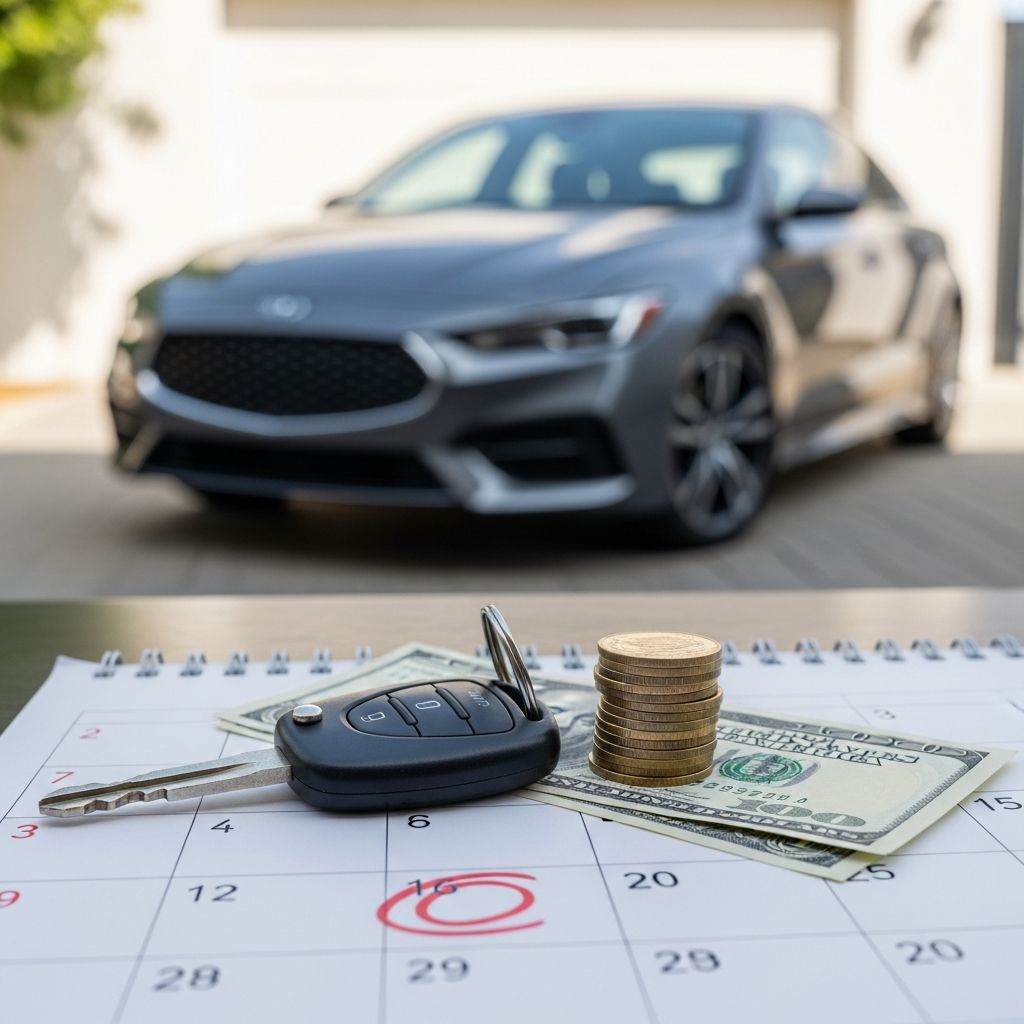
Minimizing time on the road directly influences auto insurance premiums, as insurers base rates on expected risk tied to annual mileage. Drivers who log fewer miles often qualify for reduced rates, reflecting lower exposure to accidents and theft. This approach combines lifestyle adjustments with policy optimizations to achieve meaningful savings without sacrificing coverage quality.
Understanding the Link Between Mileage and Premiums
Insurance companies categorize policies by estimated driving distance, typically assuming 12,000 miles per year for full-time commuters. Falling below this threshold signals lower risk, prompting discounts. For instance, programs verifying odometer readings can unlock additional reductions for those under 10,000 miles annually.
Low-mileage drivers benefit because statistical data shows fewer incidents per mile driven. Insurers adjust premiums accordingly, often through self-reported estimates or telematics verification. Updating your policy with accurate, lower mileage upon renewal ensures precise pricing.
Practical Ways to Cut Down on Driving
Implementing daily changes can steadily reduce annual mileage while maintaining mobility. Consider these strategies:
- Embrace remote work: If your job allows, negotiate fewer office days to eliminate commutes, potentially halving weekly miles.
- Combine errands: Plan shopping and appointments into single trips, optimizing routes with apps for efficiency.
- Opt for public transit: Use buses, trains, or rideshares for longer distances, reserving your car for essentials.
- Cycle or walk locally: Short trips under two miles suit non-motorized options, improving health alongside savings.
- Carpool regularly: Share rides with colleagues or neighbors to divide mileage attribution across participants.
Tracking progress with odometer photos or apps provides evidence for insurers, strengthening discount claims. Over time, these habits compound, often dropping drivers into the lowest risk brackets.
Enrolling in Low-Mileage Insurance Programs
Specialized plans reward verified low usage. Usage-based insurance (UBI), including pay-per-mile options, monitors actual driving via apps or devices. Safe, infrequent drivers see premiums drop significantly; for example, Progressive’s Snapshot program bases rates on tracked habits like braking and mileage.
These programs differentiate pay-as-you-drive (focusing on distance) from pay-how-you-drive (emphasizing behavior). Low-mileage enrollees, especially under 12,000 miles yearly, gain the most. However, risky patterns could raise rates, so suitability varies.
| Program Type | Key Focus | Potential Savings | Best For |
|---|---|---|---|
| Pay-Per-Mile | Distance Tracked | Up to 40% off | Infrequent drivers |
| Telematics UBI | Behavior + Miles | 20-50% discounts | Safe, low-mileage users |
| Self-Reported | Annual Estimate | 10-30% reduction | Verified low usage |
Before enrolling, review terms; some require ongoing tracking, while others use one-time verifications.
Leveraging Discounts for Maximum Savings
Beyond mileage, stackable discounts amplify reductions. Safe driving courses qualify many for 5-15% off, teaching hazard avoidance. Bundling auto with home or multi-vehicle policies yields 10-25% savings by consolidating risk.
- Good student discounts for teens with high GPAs.
- Military, senior, or employer group rates.
- Vehicle safety features like anti-theft systems.
A 2016 study in The Geneva Risk and Insurance Review noted wealthier, low-claim drivers receive larger discounts, underscoring the value of clean records.
Maintaining a Spotless Driving History
A violation-free record prevents hikes and unlocks preferred rates. The Zebra’s 2022 report found clean-record drivers save 36.7% versus at-fault accident holders and 61.9% over DUI offenders. Avoid minor claims to preserve this status, as frequent filings signal risk.
Defensive courses not only discount premiums but foster habits reducing violations. States often mandate these offers, enhancing accessibility.
Optimizing Policy Choices
Raising deductibles lowers premiums by shifting small-claim costs to you, with savings of $464-$525 yearly per Consumer Reports. Drop collision/comprehensive on older cars if their value is low.
Select cheaper-to-insure vehicles next purchase, prioritizing safety ratings over luxury. Shop quotes annually, as rates fluctuate.
Additional Cost-Cutting Tactics
Improve credit scores, as they correlate with claims likelihood. Pay premiums upfront or go paperless for minor discounts. Park securely to minimize theft risk.
For families, multi-vehicle bundling simplifies management and cuts per-car costs. Regularly audit policies to capture new eligibility.
Potential Challenges and Solutions
UBI privacy concerns arise from tracking; opt for app-based over plug-in devices. Verify mileage accurately to avoid audits. Balance higher deductibles with emergency funds.
Solution: Start small—update mileage first, then test UBI. Compare providers specializing in low-mileage plans.
Real-World Savings Examples
A commuter switching to remote work thrice weekly might cut 6,000 miles yearly, qualifying for 20% off. Adding bundling and a safe course could total 40% savings on a $1,500 premium, or $600 annually.
Low-mileage retirees often halve rates via pay-per-mile, per insurer data.
Frequently Asked Questions
What counts as low mileage for discounts?
Typically under 10,000-12,000 miles yearly; verify with your insurer and provide odometer proof.
Does UBI affect rates negatively?
Only if habits are risky; safe drivers save, risky ones may pay more—trial periods help assess.
How often should I update mileage?
At renewal or life changes like job shifts; accuracy prevents overpayment.
Are defensive courses worth it?
Yes, for 5-15% discounts plus skill gains; many states require insurers to offer them.
Can bundling save the most?
Often 10-25%, especially with multi-policies; compare total costs.
Steps to Implement Changes Today
- Log current annual mileage via odometer.
- Contact insurer to report lower estimate.
- Explore UBI or low-mileage programs.
- Shop 3-5 quotes incorporating discounts.
- Enroll in a defensive course.
These steps position you for immediate and sustained reductions.
References
- 17 Ways to Lower Your Car Insurance Rate — LA Insurance. 2023. https://lainsurance.com/blog/17-ways-to-lower-your-car-insurance-rate
- 7 Ways to Lower Your Car Insurance Rate — Progressive. 2025-02-01. https://www.progressive.com/answers/lower-car-insurance-rates/
- Proven Ways to Save on Car Insurance Even If You’re a Safe Driver — Consumer Reports. 2024-06-15. https://www.consumerreports.org/money/car-insurance/how-to-save-big-on-your-car-insurance-a5155263103/
- 10 Effective Ways to Lower Your Car Insurance Rate — GEICO. 2025-01-20. https://www.geico.com/information/aboutinsurance/auto/lower-car-insurance/
- Nine ways to lower your auto insurance costs — Insurance Information Institute (III). 2024-11-10. https://www.iii.org/article/nine-ways-to-lower-your-auto-insurance-costs
Similar Articles




Read full bio of Sneha Tete