Redress Vs Known Traveler Numbers: Essential Guide For 2025
Discover the differences between redress and known traveler numbers to simplify air travel and minimize hassles at security checkpoints.

Navigating airport security and check-in processes can be frustrating, especially when name mismatches or frequent security checks slow you down. Two important identifiers—a redress number and a known traveler number—help resolve these issues. The redress number corrects booking problems caused by common names, while the known traveler number grants access to faster screening lanes through programs like TSA PreCheck.
Why These Numbers Matter in Today’s Air Travel
Air travel has grown more secure since 9/11, with systems like Secure Flight requiring exact passenger data matches. Mismatches can lead to delays, extra screening, or denied boarding. A redress number, issued by the Department of Homeland Security (DHS), addresses false positives on watchlists. Meanwhile, a known traveler number (KTN), managed by U.S. Customs and Border Protection (CBP), identifies low-risk travelers for expedited processing.
Using these numbers correctly can save hours per trip. Frequent flyers benefit most, as they reduce watchlist flags and provide perks like keeping shoes on during security.
Understanding the Redress Number
A redress number is a unique 7-digit code designed to fix travel disruptions from name similarities to individuals on no-fly lists. If your name matches someone flagged, airlines deny boarding or subject you to intensive checks. The redress number links your profile to cleared status in DHS databases.
- Common triggers: Names like John Smith or ethnic names prone to matches.
- Process: Submit redress request online via DHS TRIP (Traveler Redress Inquiry Program).
- Timeline: Approval takes weeks; once issued, add it to all future bookings.
Unlike other IDs, it’s not for screening perks but purely for clearance. Airlines transmit it with Secure Flight Passenger Data (SFPDR) to verify you’re not a risk.
Decoding the Known Traveler Number
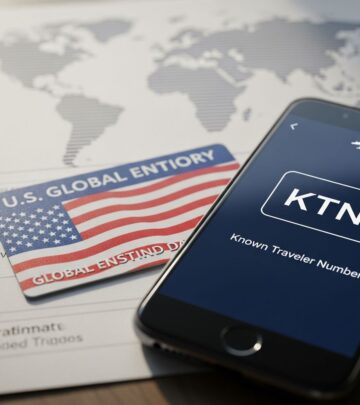
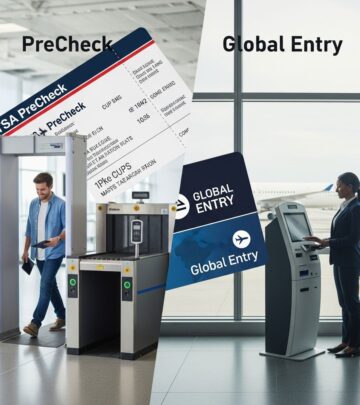
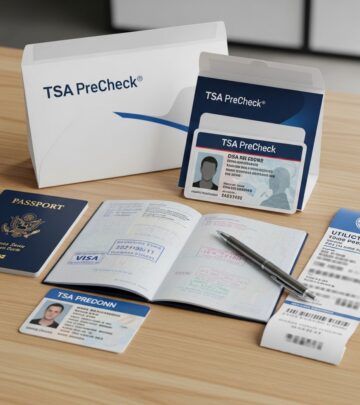
The known traveler number, often called KTN or PASSID, is a 9-digit identifier for trusted traveler programs. It signals TSA and CBP that you’ve passed a background check, qualifying you for TSA PreCheck (domestic expedited screening) or Global Entry (international re-entry).
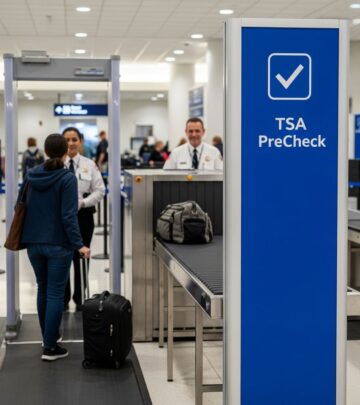
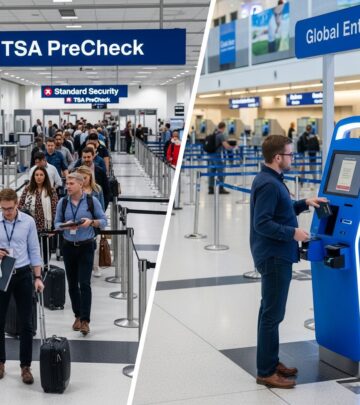
- TSA PreCheck: Shorter lines, no shoe/jacket removal, laptops stay in bags.
- Global Entry: Includes PreCheck plus fast customs kiosks.
- Other programs: NEXUS (U.S.-Canada), SENTRI (U.S.-Mexico).
Obtain it by applying through TSA or CBP, paying fees ($70–$100), and completing interviews. Membership lasts 5 years.
Key Differences: A Side-by-Side Comparison
| Aspect | Redress Number | Known Traveler Number |
|---|---|---|
| Purpose | Resolve watchlist mismatches and booking denials | Access expedited screening and trusted traveler perks |
| Length | 7 digits | 9 digits |
| Issuing Agency | DHS TRIP | TSA/CBP (PASSID) |
| Cost | Free | $70–$100 application fee |
| Duration | Permanent (unless updated) | 5 years |
| Where to Add | Secure Flight field in reservations | Same field; also loyalty profiles |
This table highlights how redress fixes problems while KTN prevents them through pre-vetting.
Step-by-Step: Getting Your Redress Number
- Visit DHS TRIP website.
- Create account and select “Redress Control Number” option.
- Provide personal details, travel incident description, supporting docs (ID, boarding passes).
- Submit; check status online (4–6 weeks average).
- Once approved, receive number via email; print confirmation.
No interview required, but patience is key during peak times.
Applying for a Known Traveler Number
Choose your program:
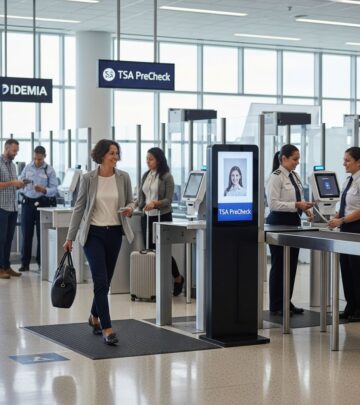
- TSA PreCheck: Apply via authorized providers (IDEMIA/Clear). Fee: $78 online. Interview at 500+ locations.
- Global Entry: CBP website enrollment. Fee: $100. Interview at airports/centers.
Approval: 2 weeks to months. Add KTN to airline profiles (e.g., United, Delta) and bookings. Airlines like Southwest auto-apply if in profile.
Best Practices for Using Both Numbers
Always enter them in the “Known Traveler Number” or “Secure Flight Passenger Data” field during booking. For redress, it’s crucial even without PreCheck.
- Verify spelling/case sensitivity.
- Update frequent flyer profiles.
- For families: Kids under 18 often get PreCheck free with parent KTN.
- International flights: Global Entry KTN works for PreCheck lanes outbound.
Pro tip: Use Chase Travel portal for bookings—enhanced points and seamless number integration with Sapphire cards.
Common Mistakes and How to Avoid Them
Travelers often confuse fields or forget updates:
- Mistake: Entering redress in passport field. Fix: Use Secure Flight box.
- Mistake: Expired KTN. Fix: Renew early (90 days before expiration).
- Mistake: Not adding to third-party sites (Expedia). Fix: Input manually each time.
Double-check confirmations; contact airline if no PreCheck indicator on boarding pass.
Benefits for Chase Cardholders and Frequent Flyers
Chase Sapphire Preferred and Reserve cards amplify travel perks. Earn 5x/10x points on Chase Travel bookings, redeem at boosted value (1.25–1.5¢/point). Pair with KTN for stress-free trips—auto rental coverage, trip delay insurance included.
Global Entry credit: Sapphire Reserve reimburses $100 fee every 4 years.
Frequently Asked Questions
Can I use my redress number for TSA PreCheck?
No, redress doesn’t grant expedited screening; get a separate KTN for that.
What’s my redress number if I don’t have one?
Apply via DHS TRIP if flagged; otherwise, none needed.
Does Known Traveler Number work internationally?
KTN aids U.S. departures; Global Entry covers returns.
How do I find my KTN?
Check approval letter, TSA/CBP account, or program card.
Can I have both numbers?
Yes—enter redress first if space-limited, then KTN.
Real Traveler Stories: Lessons Learned
John, a business traveler, was repeatedly delayed due to name match. After getting redress, his issues vanished. Sarah, a mom of three, added her Global Entry KTN—family now zips through PreCheck.
These anecdotes show proactive steps pay off.
Future of Traveler Identifiers
DHS expands facial recognition and REAL ID mandates (enforced 2025). Numbers remain vital backups. Mobile digital IDs emerging, but KTN/redress integrate with them.
Stay updated via TSA.gov and CBP.gov.
References
- Traveler Redress Inquiry Program (TRIP) — Department of Homeland Security. 2025-01-15. https://trip.dhs.gov
- TSA PreCheck® Frequently Asked Questions — Transportation Security Administration. 2025-11-20. https://www.tsa.gov/precheck
- Global Entry — U.S. Customs and Border Protection. 2025-10-01. https://www.cbp.gov/travel/trusted-traveler-programs/global-entry
- Secure Flight Program — Transportation Security Administration. 2024-05-10. https://www.tsa.gov/for-industry/secure-flight
- Chase Sapphire Preferred® Card Benefits Guide — Chase Bank. 2021-08-15. https://static.chasecdn.com/content/services/structured-document/document.en.pdf/card/benefits-center/product-benefits-guide-pdf/BGC10979_SapphirePreferred_VisaSignature.pdf
Similar Articles








Read full bio of Sneha Tete