Recreational Vehicle Buying Guide: Choose Class A, B, Or C
Navigate motorhome and trailer options to find your perfect RV match.
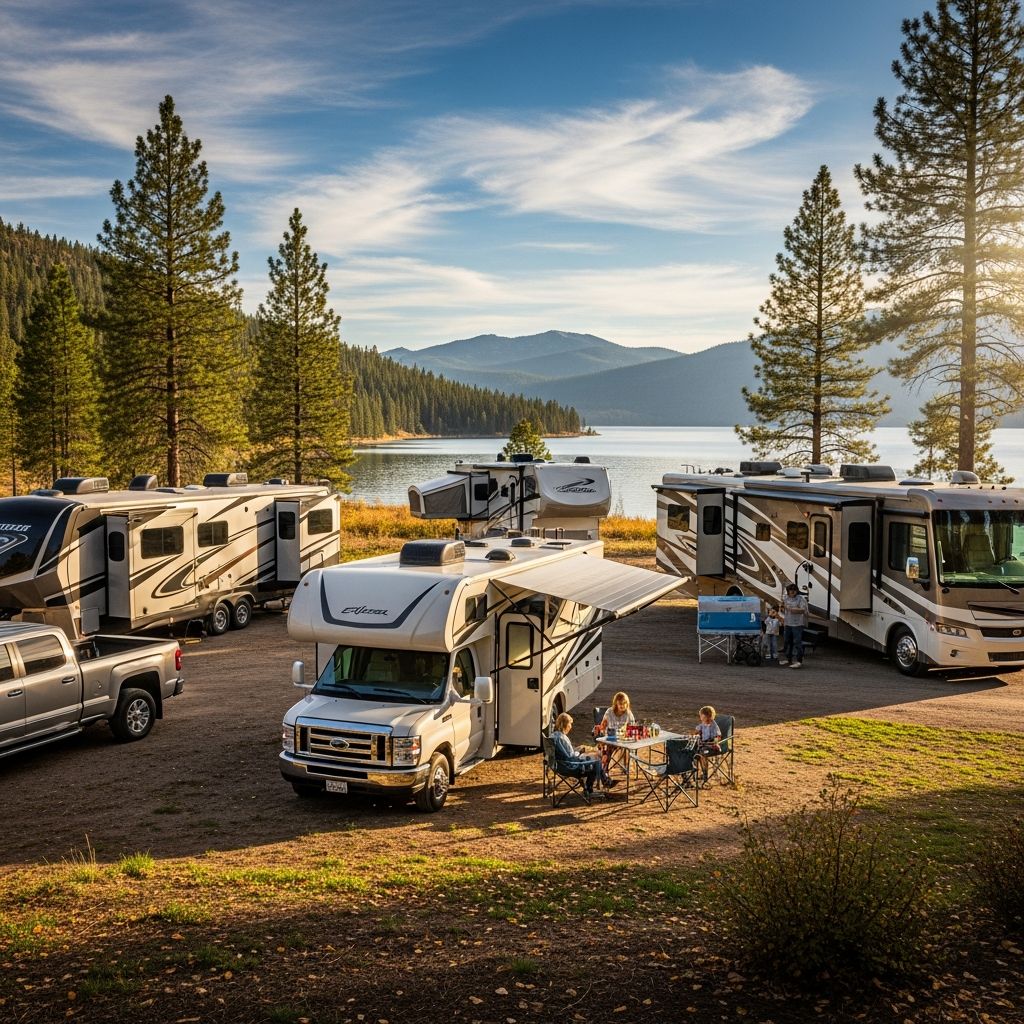
Selecting the right recreational vehicle represents a significant investment and lifestyle decision. The market offers numerous options ranging from compact camper vans to expansive motorhomes and various towed trailers. Understanding the distinctions between these categories, evaluating their strengths and limitations, and aligning your choice with your travel patterns and budget are essential steps in the purchasing process.
Understanding the Motorhome Categories
Motorhomes fall into three primary classifications based on size, design, and drivability. Each class serves different travel needs, comfort preferences, and skill levels for drivers. The distinctions between these categories influence not only the initial purchase price but also ongoing fuel costs, maintenance requirements, and camping flexibility.
Class A Motorhomes: Premium Space and Luxury
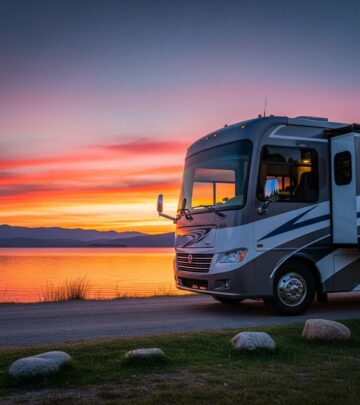
Class A motorhomes represent the largest and most opulent segment of the drivable recreational vehicle market. These vehicles typically measure between 22 to 49 feet in length and weigh between 15,000 to 30,000 pounds. Built on substantial truck chassis frames, Class A units feature a distinctive bus-like silhouette that immediately distinguishes them from other motorhome types.
The construction of Class A motorhomes provides manufacturers with considerable flexibility in interior design and amenities. These vehicles come equipped with two engine options: gasoline engines in lighter models and diesel engines in heavier, more spacious configurations. The spacious interiors accommodate extensive living quarters with comfortable seating arrangements, multiple sleeping areas, and ample storage compartments, making them ideal for individuals planning to spend significant portions of the year traveling.
Advantages of Class A motorhomes include:
- Substantial interior living space with multiple rooms and flexible layouts
- Comprehensive amenities comparable to permanent residences
- Superior ride quality and driving comfort
- Enhanced storage capacity for extended journeys
- Ability to tow additional vehicles or equipment
- Maximum comfort for full-time travelers
Drawbacks to consider:
- Significantly higher purchase prices compared to other motorhome classes
- Poor fuel efficiency due to substantial weight and size
- Challenging maneuverability in congested areas or narrow camping spaces
- Higher maintenance and operational expenses
- Expensive repairs requiring specialized technicians
Class B Motorhomes: Agility and Affordability
Class B motorhomes, commonly referred to as camper vans, represent the most compact and maneuverable drivable RV option available. These vehicles are constructed from automotive van platforms, measuring approximately 17 to 19 feet in length. The camper van movement has popularized this category among younger travelers and those seeking a balance between mobility and basic amenities.
Built on standard automotive chassis, Class B units offer exceptional parking flexibility, fitting comfortably in regular parking spaces while retaining functional living accommodations. The compact footprint accommodates up to four adults and typically includes a modest kitchen, creatively designed sleeping zones, and optional bathroom facilities.
Key advantages of Class B motorhomes:
- Nimble handling and excellent maneuverability in tight spaces
- Ability to park in standard-sized parking areas
- Superior fuel economy compared to larger motorhome classes
- Lower purchase price, generally between $60,000 to $140,000
- Ideal for couples or small families traveling part-time
- Easy maintenance through standard automotive dealerships
- Simplified driving mechanics without specialized training
Limitations of Class B units:
- Restricted interior space and amenities
- Limited sleeping capacity
- Minimal storage for extended trips
- Reduced towing capability
- Small kitchen and bathroom facilities
Class B Plus: The Middle Ground Option
Class B Plus motorhomes bridge the gap between compact camper vans and mid-sized Class C units. These vehicles leverage larger chassis platforms than standard Class B models, offering enhanced vertical and horizontal interior dimensions while maintaining superior fuel efficiency compared to Class C motorhomes.
The Class B Plus design eliminates the traditional over-cab sleeping compartment found on Class C units, instead utilizing that space for entertainment systems or additional storage. This aerodynamic approach provides increased interior living space without sacrificing the drivability advantages of smaller units. However, this premium engineering typically commands higher prices than comparably-sized Class C motorhomes.
Class C Motorhomes: The Balanced Choice
Class C motorhomes occupy the middle position in the motorhome hierarchy, offering a practical balance between spacious interiors and manageable driving dynamics. These vehicles typically range from 20 to 41 feet in length and feature a distinctive raised sleeping or storage compartment positioned above the driver’s cab. The construction utilizes van or cutaway truck chassis, retaining the original cab for driver and passenger seating.
Most Class C motorhomes operate on gasoline engines, though some premium models incorporate diesel powerplants. The gas-powered engines provide sufficient power for handling heavy loads while maintaining reasonable performance on inclines and hills.
Benefits of Class C motorhomes:
- Purchase prices typically range from $50,000 to $100,000 or more, making them more affordable than Class A units
- Significantly larger interior than Class B motorhomes with similar luxury amenities as Class A models
- Increased living and sleeping space with often one or more expandable slide-out sections
- Spacious internal and external storage areas
- Serviceable at numerous automotive dealerships rather than specialized RV technicians
- Easier temperature control compared to Class A due to smaller windshield areas
- Most frequently rented RV type, indicating popularity and reliability
Challenges associated with Class C models:
- Reduced towing capacity relative to Class A motorhomes
- Less maneuverable than Class B units in confined spaces or remote locations
- Fuel consumption higher than Class B but better than Class A
- Heavier operational costs compared to smaller motorhomes
Alternative Motorhome Options
Recreational Utility Vehicles (RUVs)
Recreational Utility Vehicles represent an emerging category combining elements from Class A, B, and C motorhomes. These vehicles typically measure 23 to 28 feet in length and offer a unique blend of comfortable living quarters, spacious interiors, and exceptional maneuverability. The compact dimensions make RUVs easier to operate than full-size Class A units while providing more interior comfort than Class B options. This category appeals to travelers planning short to medium-duration trips seeking balance between comfort and operational ease.
Towable Recreation Vehicle Options
Travel Trailers and Fifth-Wheel Trailers
Beyond motorized options, the RV market includes multiple categories of towed units. Fifth-wheel trailers serve enthusiasts planning extended campground residency. These pull-behind units feature a distinctive raised forward section called a gooseneck connector, creating a multi-level interior layout with enhanced working, living, and sleeping arrangements. Fifth-wheel trailers typically range from $36,000 to $135,000 in price.
Pop-Up Campers and Hybrid Trailers
Pop-up campers represent excellent starter recreational vehicles for couples or small families. These compact units feature fold-out ends that expand sleeping capacity while remaining collapsible when not in use. The collapsible design significantly reduces aerodynamic drag during towing, making them more fuel-efficient to pull than traditional trailers. Their smaller size allows them to be towed by vehicles with modest towing capacity.
Key Purchase Considerations
Evaluating Your Travel Patterns
The appropriate recreational vehicle selection depends fundamentally on your anticipated travel frequency and duration. Individuals planning full-time residence in an RV benefit from the spacious interiors and comprehensive amenities of Class A motorhomes. Conversely, those undertaking occasional weekend excursions may find Class B or pop-up camper solutions more economical and practical. Seasonal travelers often discover that Class C motorhomes provide an optimal balance of comfort, cost, and operational simplicity.
Budget Assessment
Purchase price represents only one component of total ownership expenses. Fuel consumption varies dramatically between motorhome classes, with Class A units consuming significantly more fuel per mile than Class B options. Insurance premiums, maintenance costs, campground fees, and storage expenses accumulate over time. Establishing a comprehensive budget encompassing these ongoing costs helps prevent financial strain during your recreational journey.
Storage and Parking Requirements
Consider your home storage capacity before purchasing. Class A motorhomes require secure parking in RV facilities or spacious driveways. Class B units, conversely, fit in standard parking spaces and may be stored in regular garage facilities in some cases. Assess available parking options and associated storage fees in your area.
Driving Comfort and Capability
Vehicle operation varies considerably between motorhome types. Class A motorhomes require specialized driving skills and familiarity with large vehicle dynamics. Class B units operate similarly to standard automobiles, making them accessible to drivers with typical licensing and experience. Class C motorhomes occupy a middle position, requiring some specialized knowledge but less skill than Class A units. First-time RV purchasers often find Class B or C motorhomes more approachable.
Comparative Features Table
| Feature | Class A | Class B | Class C | Fifth-Wheel |
|---|---|---|---|---|
| Length Range | 22-49 feet | 17-19 feet | 20-41 feet | Varies |
| Typical Price | $100,000+ | $60,000-$140,000 | $50,000-$100,000+ | $36,000-$135,000 |
| Fuel Efficiency | Poor | Excellent | Moderate | Depends on tow vehicle |
| Maneuverability | Difficult | Excellent | Good | Moderate-Good |
| Interior Space | Expansive | Compact | Spacious | Good |
| Amenities | Comprehensive | Basic | Moderate-Comprehensive | Comprehensive |
| Parking Flexibility | Limited | Excellent | Good | Requires tow vehicle |
First-Time Buyer Recommendations
New RV purchasers frequently find Class B or Class C motorhomes represent optimal choices. Both categories offer self-driving capability, eliminating the learning curve associated with towing mechanics and physics required for trailer operation. Class B motorhomes appeal to those seeking affordable entry into RV ownership with minimal size-related complications. Class C units suit purchasers desiring increased interior comfort and space without the substantial investment and operational challenges of Class A ownership.
Visiting RV shows provides invaluable opportunities to examine multiple models, interact with various configurations, and develop practical understanding of space utilization and feature accessibility before committing to a purchase.
Frequently Asked Questions
What RV type offers the best fuel economy?
Class B motorhomes deliver superior fuel efficiency due to their lightweight construction and automotive-based powertrains. Pop-up campers and hybrid trailers also provide excellent fuel economy when towed by moderately-sized vehicles.
Which motorhome class suits families best?
Class C motorhomes frequently represent the ideal family option, offering substantial interior space for comfortable group travel while maintaining reasonable maneuverability and operational costs. Larger families may require Class A units for enhanced sleeping and living arrangements.
Are recreational vehicles suitable for full-time living?
Class A motorhomes specifically address full-time living requirements, providing comprehensive amenities, spacious interiors, and comprehensive storage capacity necessary for permanent residence. Some individuals successfully live full-time in Class C units or fifth-wheel trailers when personal possessions are minimized.
What maintenance costs should I anticipate?
Maintenance expenses correlate with vehicle size and complexity. Class A motorhomes require specialized technicians and expensive repairs. Class B and C units often service at standard automotive facilities, reducing costs. Budget annual maintenance at 1-2% of the vehicle’s purchase price as a conservative estimate.
Moving Forward with Your Purchase
Selecting an RV requires balancing multiple factors including intended travel frequency, budget constraints, comfort preferences, and operational comfort levels. Class A motorhomes suit those prioritizing spacious comfort and full-time travel capabilities. Class B options serve economy-conscious travelers valuing maneuverability and parking flexibility. Class C motorhomes provide versatile middle-ground solutions for diverse traveler types. Towable alternatives offer flexibility through separate tow vehicle selection. Thoroughly researching options, visiting RV facilities, and consulting with experienced owners helps ensure your final selection aligns with your specific requirements and enhances your recreational travel experience.
References
- Types of RVs — Lippert. Accessed 2026. https://www.lippert.com/blog/types-of-rvs
- The 9 Different RV Types Explained — RVezy. Accessed 2026. https://www.rvezy.com/blog/rv-types
- RV Class Guide: How to Choose the Perfect RV — Clemson RV. Accessed 2026. https://clemsonrv.com/rv-class-guide/
- Side-by-Side Comparison: Class B Motor Homes, RV’s and Trailers — Classic Vans. Accessed 2026. https://www.classicvans.com/comparison-of-rv-types/
- Types of RVs: Pros & Cons to Consider When Buying an RV — Extra Space. Accessed 2026. https://www.extraspace.com/blog/outdoor-recreation/types-of-rvs-guide/
- Class A, B, C Motorhomes & Travel Trailers – RV Rentals — RVshare. Accessed 2026. https://rvshare.com/blog/rv-classes/
- What are the differences between a Class A, B & C Motorhome? — Canadian RV Association. Accessed 2026. https://crva.ca/what-are-the-differences-between-a-class-a-b-c-motorhome/
Similar Articles








Read full bio of Sneha Tete