Recovering Money Sent to Wrong Person via Payment Apps
Learn how to recover funds sent to the wrong person on digital payment platforms
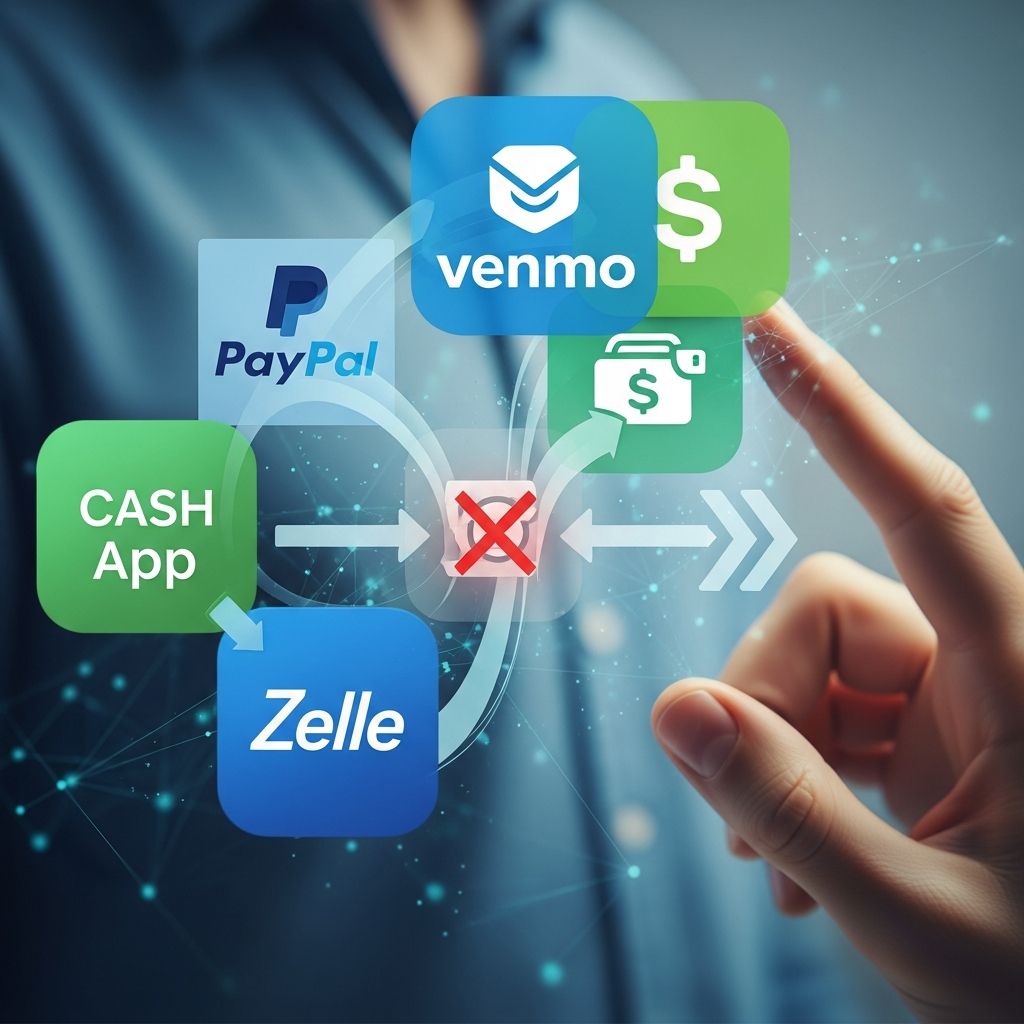
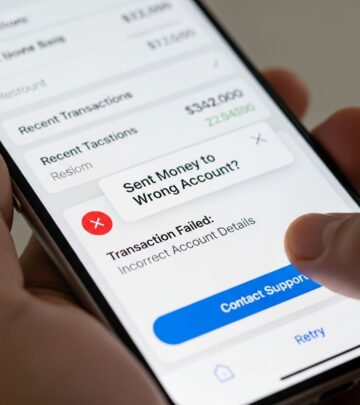
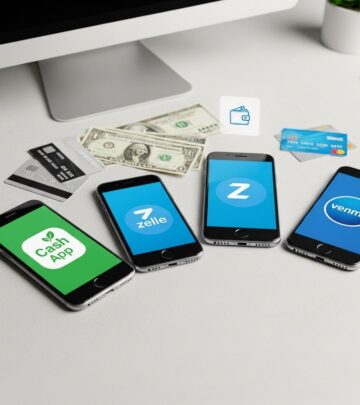
Digital payment platforms have revolutionized how we transfer money between individuals, offering unprecedented speed and convenience. However, this same instantaneous nature that makes these services so appealing also creates a significant problem when mistakes occur. Sending funds to an incorrect recipient through apps like Venmo, Zelle, Cash App, or Apple Pay can happen in seconds, leaving many users scrambling to recover their money. The unfortunate reality is that retrieving mistakenly sent funds is far more complicated than preventing the error in the first place.
Understanding the Challenge of Reversing Digital Transfers
The fundamental architecture of peer-to-peer payment applications presents an inherent obstacle to fund recovery. Unlike traditional banking systems with built-in safeguards and longer processing windows, mobile payment platforms prioritize speed and efficiency. When you initiate a transfer on these applications, the funds move from your account to the recipient’s account nearly instantaneously. This near-immediate settlement means that by the time you realize an error has occurred, the money has already been deposited into another person’s account.
This technical reality creates a legal and practical barrier to recovery. Financial institutions and payment app operators generally cannot simply retrieve funds from a recipient’s account without proper authorization or legal intervention. The recipient owns those funds the moment they arrive, making unauthorized retrieval impossible. This differs fundamentally from traditional bank transfers, which operate on different timelines and regulatory frameworks.
Recovery Options Across Major Payment Platforms
Venmo’s Limited Recovery Framework
Venmo, one of the most widely used peer-to-peer payment applications, offers minimal recovery options once a transaction completes. If you sent money using an email address or phone number that isn’t registered with a Venmo account, the transaction may remain in a pending state, allowing for cancellation. However, if the recipient has already claimed the payment or is an active Venmo user, the transaction cannot be reversed through the application’s standard mechanisms.
When money reaches an active Venmo account holder, your only realistic recourse involves direct contact with that person. If you know the recipient, you can send them a message with details about the mistake and request a voluntary refund. For transfers sent to someone you don’t know, Venmo’s support team may assist you in reaching out to the recipient, though they cannot force a refund.
Zelle’s Enrollment-Based Restrictions
Zelle, the payment system operated by major U.S. banks, has specific rules regarding transaction reversal based on recipient enrollment status. If the person you sent money to is not an enrolled Zelle user, there’s a possibility of canceling the transaction before they enroll and claim the funds. Once a Zelle user accepts a payment, however, reversal becomes virtually impossible through normal channels.
If the recipient is enrolled in Zelle and has accepted your payment, your options narrow significantly. You can attempt to contact the recipient directly for a voluntary refund, or you can contact your bank’s customer service department to file a formal dispute. However, banks often cannot recover funds that were successfully transferred to an enrolled user, as the transaction is considered complete and irreversible.
Apple Pay’s Acceptance-Based Recovery Window
Apple Pay offers a slightly more favorable recovery window compared to some competitors. The critical factor determining whether you can cancel a payment is whether the recipient has accepted it. If the payment remains unaccepted, you may be able to cancel it through the application. Once the recipient accepts the payment, however, you lose the ability to use Apple Pay’s cancellation feature.
After a payment is accepted, the only path forward involves contacting the recipient directly and requesting they send the money back voluntarily. If they agree and process a refund, Apple Pay typically requires one to three business days for the funds to appear back in your original account.
Cash App’s Completed Transaction Policy
Cash App maintains a straightforward policy: once a payment is completed and delivered to the recipient’s account, the application cannot cancel or refund the transaction. This represents perhaps the most restrictive policy among major payment platforms, offering no window for reversal regardless of circumstances.
Your only option with Cash App involves requesting the recipient return the funds using the Request feature available on your Cash App home screen. This sends a notification to the recipient asking them to send the money back, but it remains entirely voluntary on their part.
Working with Your Financial Institution
When direct recovery through the payment app proves unsuccessful, your next step involves contacting your bank or credit card company. Financial institutions can investigate transactions and, in certain circumstances, may be able to dispute or reverse payments. This option works best if you sent the money using a credit card rather than a debit card or direct bank transfer, as credit card companies typically have stronger fraud protection and dispute resolution processes.
To file a dispute, provide your financial institution with comprehensive documentation including the transaction ID, timestamp, recipient information, and a detailed explanation of the error. The bank will investigate and determine whether recovery is possible. However, their success rate depends heavily on the specific circumstances and the payment platform used.
Direct Contact Strategies with Recipients
When technical and institutional recovery options are exhausted, direct communication with the recipient becomes essential. The approach differs significantly depending on whether you know the person.
Contacting Known Recipients
If you sent money to someone you know, whether a friend, family member, or business associate, reaching out through multiple channels increases your chances of successful recovery. Begin by explaining the situation clearly and apologetically, providing specific details about the transaction including the date, amount, and platform used. Most people will understand that mistakes happen and are willing to help by sending the money back if they have the means.
Reaching Unknown Recipients
Contacting someone you don’t know requires significantly more caution. Payment app support teams can sometimes assist in making initial contact, which provides more credibility than direct outreach from a stranger. When communicating with an unknown recipient, avoid sharing excessive personal information beyond what’s necessary to explain the situation and request their assistance.
Be aware that unknown recipients may be hesitant to engage with unexpected messages from strangers, even when the message explains an honest mistake. They might fear scams or fraudulent activity themselves, making them reluctant to participate in any transaction reversal.
Prevention Strategies for Future Transactions
Verification Protocols
The most effective defense against misdirected payments involves implementing thorough verification practices before confirming any transaction. Mistyping email addresses, phone numbers, or unique usernames happens more frequently than most people realize, particularly when rushing or using mobile devices with smaller screens.
Before hitting the send button, take an extra moment to review all payment details. Check that the recipient’s identifier matches your intended recipient, verify the transfer amount, and confirm the payment app you’re using. Reading information aloud to yourself can help catch discrepancies that might otherwise go unnoticed.
Test Transfer Methodology
For payments to people you don’t know well or for unusually large amounts, consider sending a small test transaction first. This confirms that your payment is routing correctly and that the recipient account is valid before committing larger sums. While this approach requires two transactions and takes additional time, it provides valuable insurance against significant losses.
Recipient Verification
When possible, verify the recipient’s identity through channels outside the payment app. A quick text message, phone call, or email confirming their payment app username or contact information adds an important layer of verification. This is particularly valuable for business transactions or payments to new contacts.
Alternative Payment Methods for High-Risk Situations
When sending money to unfamiliar recipients or transferring substantial amounts, considering alternative payment methods provides better protection and recovery options.
ACH Bank Transfers
Bank-to-bank transfers through the Automated Clearing House network typically allow for transaction recall within five business days of initiation. Most financial institutions offer this service for free or at minimal cost. While slower than peer-to-peer apps, ACH transfers provide a meaningful recovery window and stronger institutional support for dispute resolution.
Personal Checks
Though less popular in the modern digital landscape, personal checks offer a unique advantage: you can stop payment on a check even after it has been issued. If a check goes astray or is misdirected, you can contact your bank and request a stop payment order, typically for a small fee. This provides recovery options that digital payments cannot match.
Cash Transactions
For local payments, particularly to people you don’t know well, conducting the transaction in person using physical currency eliminates the risk of digital misdirection entirely. While requiring more logistical coordination, cash transactions provide absolute certainty about who receives the funds.
Protecting Yourself When Receiving Unexpected Payments
The risk of accidental payments flows in both directions. If you receive an unexpected payment from someone you don’t know, exercise caution before taking action. Payment app operators recommend verifying transactions before accepting or interacting with unexpected funds. Contact the payment app’s support team to confirm the legitimacy of the transfer before claiming the money or responding to the sender.
This protective approach helps prevent you from becoming entangled in fraudulent schemes or disputes over misdirected funds.
Frequently Asked Questions
Can payment apps force recipients to return misdirected funds?
No. Payment apps cannot compel recipients to return funds, as those funds legally belong to the recipient once the transaction completes. The only exception occurs if the transaction is still pending or if a court orders the recipient to return the money through formal legal proceedings.
How long do I have to report an error before recovery becomes impossible?
This depends on the platform and the recipient’s actions. For pending transactions, you may have hours or days to cancel. Once accepted, recovery timelines depend on your financial institution’s dispute policies. There’s no universal deadline, but acting quickly improves your chances of success.
Should I pursue legal action to recover misdirected payments?
For small amounts, legal action typically costs more than the disputed funds are worth. For substantial sums, consulting with an attorney about small claims court or other legal remedies may be worthwhile, particularly if you have evidence that the recipient is refusing to cooperate in good faith.
Is sending money through credit cards safer than debit cards for payment apps?
Credit cards generally offer stronger fraud protection and dispute resolution mechanisms than debit cards. If you must use a payment app for uncertain transactions, using a credit card connection provides better recovery options if something goes wrong.
References
- What if I Send an App Payment to the Wrong Person? — Experian. Accessed March 31, 2026. https://www.experian.com/blogs/ask-experian/what-if-i-send-app-payment-to-wrong-person/
- Federal Reserve Regulation E: Electronic Funds Transfers — Board of Governors of the Federal Reserve System. https://www.federalreserve.gov/supervisionreg/regecg.htm
- The Clearing House: ACH Network Overview — The Clearing House Payments Company L.L.C. https://www.theclearinghouse.org/
- Consumer Financial Protection Bureau: Payment Apps Safety — U.S. Consumer Financial Protection Bureau. https://www.consumerfinance.gov/
Similar Articles








Read full bio of medha deb