Record Date: Definition, Importance & How It Works
Understanding record dates: Your guide to dividend eligibility and shareholder entitlements.

What Is a Record Date?
A record date is a critical date in the dividend payment process that determines which shareholders are eligible to receive a company’s dividend distribution. When a company announces a dividend, it establishes a specific date by which investors must be officially registered as shareholders on the company’s books to qualify for the payment. This date serves as the official cutoff point for dividend eligibility and is essential for both investors and companies to understand when managing investment portfolios or administering shareholder distributions.
The record date is set by the company’s board of directors when they declare a dividend and plays a fundamental role in the mechanics of dividend distributions. It is distinct from other important dates in the dividend timeline, including the declaration date, the ex-dividend date, and the payable date. Each of these dates serves a specific purpose in ensuring that dividends are distributed accurately and efficiently to the appropriate shareholders.
Understanding the Record Date in Context
To fully comprehend the importance of the record date, it is essential to understand its relationship with other key dates in the dividend payment timeline. When a company decides to pay a dividend, several dates come into play, each with distinct implications for investors.
Declaration Date: This is the date when the company’s board of directors announces the dividend decision to the public. The announcement includes details about the dividend amount, the record date, and the payable date.
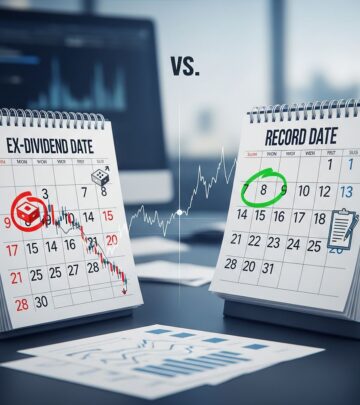
Record Date: This is the date by which you must be officially registered as a shareholder to receive the dividend. Your name must appear on the company’s shareholder registry on or before this date.
Ex-Dividend Date: This date determines whether you can purchase the stock and still receive the dividend. If you buy the stock on or after the ex-dividend date, you will not receive the upcoming dividend payment.
Payable Date: This is when the company actually distributes the dividend payment to eligible shareholders. Payments are typically made via electronic transfer or check.
The Record Date and Ex-Dividend Date Relationship
One of the most important concepts for investors to understand is the relationship between the record date and the ex-dividend date. These two dates are closely linked, and understanding their connection is crucial for making informed investment decisions.
Once the company establishes the record date, stock exchange rules dictate how the ex-dividend date is determined. In most cases, the ex-dividend date is set as the record date itself, or one business day before the record date if the record date falls on a weekend or holiday. This timing ensures that there is sufficient settlement time for stock transactions to be properly recorded on the company’s books.
The significance of the ex-dividend date lies in its impact on your dividend eligibility. If you purchase a stock on its ex-dividend date or after, you will not receive the next dividend payment. Instead, the previous owner retains the right to the dividend. Conversely, if you purchase the stock before the ex-dividend date, you become entitled to the upcoming dividend payment, even if you sell the stock shortly after the ex-dividend date has passed.
How the Record Date Works: Practical Examples
To illustrate how the record date functions in practice, consider two common scenarios that demonstrate the mechanics of dividend distribution.
Example 1: Record Date Falls on a Business Day
On Monday, March 2, 2026, Company XYZ announces a dividend of $1.50 per share, payable on Tuesday, March 17, 2026. The company sets the record date as Monday, March 16, 2026.
Since the record date falls on a Monday (a business day), the ex-dividend date is also set for Monday, March 16, 2026. This means that if you purchase shares of Company XYZ on Monday, March 16, 2026, or any date after, you will not receive the $1.50 dividend payment. However, if you owned shares before March 16, 2026, you will receive the full dividend amount on March 17, 2026.
In this scenario, the settlement of stock transactions that occur before the ex-dividend date will be completed by the record date, ensuring that your ownership is properly recorded on the company’s books.
Example 2: Record Date Falls on a Weekend
On Monday, March 2, 2026, Company XYZ announces the same dividend payable on Tuesday, March 17, 2026. However, this time the company sets the record date as Sunday, March 15, 2026.
Since the record date falls on a weekend, stock exchange rules require that the ex-dividend date be set one business day before the record date. Therefore, the ex-dividend date is set for Friday, March 13, 2026. This adjustment accounts for the fact that stock exchanges do not operate on weekends.
In this scenario, if you purchase shares on Friday, March 13, 2026, or after, you will not be eligible for the dividend. You must own the shares before Friday, March 13, 2026, to qualify for the payment on March 17, 2026.
Special Considerations for Large Dividends
Companies occasionally distribute special dividends that represent significant portions of the company’s stock value. When a dividend equals 25% or more of the stock’s current value, special rules apply to the determination of the ex-dividend date.
In these cases, the ex-dividend date is deferred until one business day after the dividend is actually paid. This deferral protects investors and maintains market stability when substantial distributions occur. Using the earlier example, if Company XYZ were paying a dividend equal to 25% or more of its stock value, the ex-dividend date would be deferred to Wednesday, March 18, 2026 (one business day after the payable date of March 17, 2026).
This special rule exists because the stock price typically falls by the dividend amount on the ex-dividend date, and large special dividends can cause significant price movements that warrant additional settlement time for investors to adjust their positions.
Stock Dividends and Record Dates
While most dividends are distributed in cash, some companies pay dividends in the form of additional shares rather than money. Stock dividends may consist of additional shares in the company itself or shares in a subsidiary being spun off. The procedures for determining the ex-dividend date for stock dividends differ from those used for cash dividends.
For stock dividends, the ex-dividend date is set on the first business day after the stock dividend is paid. This timing is different from cash dividends because shares must first be issued and distributed before the ex-dividend date can be established. The payable date, which marks when the new shares are actually delivered to shareholders, must occur before the ex-dividend date is set.
It is important to note that if you sell your stock before the ex-dividend date for a stock dividend, you are selling away your right to the additional shares. Your broker will provide you with an I.O.U. or “due bill” for the additional shares, creating an obligation for you to deliver those shares to the buyer of your stock. Therefore, when selling shares in anticipation of a stock dividend, you should be aware that you cannot complete a clean sale without this additional obligation until after the ex-dividend date.
Why the Record Date Matters for Investors
Understanding the record date is essential for making informed investment decisions. For income-focused investors who rely on dividend payments, knowing the record date allows them to time their stock purchases strategically to ensure they qualify for upcoming dividend distributions.
The record date also has tax implications. Investors must report dividend income in the tax year in which they are eligible to receive it, which is typically determined by the payable date. However, your ability to qualify for the dividend is determined by the record date and your ownership status at that time.
Additionally, the record date is the official date used by companies to determine who receives proxy statements, annual reports, financial statements, and other shareholder communications. Only shareholders of record on or before the record date are entitled to receive these materials, making it an important date for maintaining your status as an informed shareholder.
The Record Date and Stock Price Movement
Stock prices typically experience adjustment around the ex-dividend date and record date due to the dividend payment itself. On the ex-dividend date, the stock price often falls by approximately the amount of the dividend. This price adjustment reflects the transfer of value from the company to shareholders through the dividend distribution.
For example, if a stock is trading at $100 per share and the company announces a $2 dividend, the stock price would typically be expected to fall by approximately $2 on the ex-dividend date. This adjustment is a normal market phenomenon and does not represent a loss for shareholders who own the stock before the ex-dividend date; they receive the dividend payment that accounts for the price reduction.
Understanding this price movement helps investors recognize that purchasing shares immediately before the record date with the intention of capturing a dividend may not result in a net gain if the stock price falls by the dividend amount.
Frequently Asked Questions
Q: What is the difference between the record date and the ex-dividend date?
A: The record date is the date by which you must be registered as a shareholder to receive a dividend, while the ex-dividend date is the date on which you can no longer purchase the stock and still receive the upcoming dividend. The ex-dividend date is typically the same as the record date or one business day before if the record date falls on a weekend.
Q: Can I purchase a stock after the record date and still receive the dividend?
A: No. If you purchase a stock on or after the ex-dividend date, you will not receive the upcoming dividend payment. The seller of the stock receives the dividend instead. You must purchase the stock before the ex-dividend date to be eligible for the dividend.
Q: Why is the record date important for companies?
A: The record date serves as the official cutoff for determining which shareholders are entitled to receive the dividend and other shareholder communications. It helps companies maintain accurate records of who should receive dividend payments and proxy statements.
Q: How does the record date affect my taxes?
A: Your dividend income is typically reported in the tax year in which it is paid (the payable date), not the record date. However, your eligibility to receive the dividend is determined by the record date and your shareholder status on that date.
Q: Are there different record date rules for special dividends?
A: Yes. When a dividend equals 25% or more of the stock’s value, special rules apply. The ex-dividend date is deferred until one business day after the dividend is paid, rather than being set at or before the record date.
Q: How should I consult with a financial advisor about record dates?
A: If you have specific questions about dividends and how record dates affect your investment strategy, you should consult with a qualified financial advisor who can provide personalized guidance based on your individual financial situation and investment goals.
Key Takeaways
The record date is a critical date in the dividend distribution process that determines which shareholders are eligible to receive dividend payments. Understanding the record date and its relationship to the ex-dividend date is essential for making informed investment decisions. Remember that if you wish to receive an upcoming dividend payment, you must own the shares before the ex-dividend date, ensuring that you are registered as a shareholder on the company’s books by the record date. Companies use the record date for multiple purposes, including determining dividend eligibility and distributing shareholder communications. By staying informed about these important dates, you can better manage your dividend income and investment portfolio.
References
- Ex-Dividend Dates: When Are You Entitled to Stock and Cash Dividends — U.S. Securities and Exchange Commission, investor.gov. https://www.investor.gov/introduction-investing/investing-basics/glossary/ex-dividend-dates-when-are-you-entitled-stock-and
- Record Date Definition — Nasdaq Stock Market. https://www.nasdaq.com/glossary/r/record-date
Similar Articles








Read full bio of Sneha Tete