Recognizing And Overcoming Shopping Addiction
Learn the warning signs of shopping addiction and practical strategies to regain control of your spending and financial life.

Constantly buying things you do not need, hiding purchases, or feeling out of control with money can be more than “liking nice things.” It may be a sign of a shopping addiction—a pattern of compulsive buying that can damage your finances, relationships, and mental health.
This guide explains what shopping addiction is, the most common warning signs, why it happens, and how to start recovering so you can build a healthier relationship with money.
What Is Shopping Addiction?
Shopping addiction, often called compulsive buying disorder, is a repetitive, uncontrollable urge to shop and spend money, even when you know it will cause harm. People with this problem frequently buy things they do not need, cannot afford, or never use, and feel distress, guilt, or shame afterward.
Researchers classify compulsive buying as a behavioral addiction that shares features with substance use disorders, including craving, loss of control, and continued behavior despite negative consequences. It is not officially listed as a separate diagnosis in the DSM-5, but is widely recognized in clinical research and practice.
| Normal Shopping | Shopping Addiction |
|---|---|
| Purchases are mostly planned and budgeted. | Purchases are frequent, unplanned, and hard to stop. |
| Spending aligns with income and goals. | Spending regularly exceeds income or savings capacity. |
| Shopping is occasional entertainment or necessity. | Shopping is a primary way to cope with stress or emotions. |
| Regret is rare and manageable. | Frequent guilt, shame, and anxiety about spending. |
| Finances remain stable. | Debt, late bills, or financial crises appear. |
How Common Is Shopping Addiction?
Estimates vary, but research suggests that around 5% of adults may meet criteria for compulsive buying at some point, with higher rates in high-income countries. Some studies have found higher prevalence among women, though men are also affected and may be underdiagnosed.
Many people experience occasional impulse purchases; a shopping addiction is different because the urge is persistent, intrusive, and difficult to control, and the behavior continues despite serious consequences.
Why Do People Develop a Shopping Addiction?
Shopping addiction usually does not have a single cause. Instead, it often involves a mix of psychological, social, and financial factors.
Common contributors include:
- Emotional regulation: Buying is used to numb or escape feelings such as sadness, anxiety, loneliness, boredom, or low self-esteem.
- Reward and dopamine: Shopping, especially for new or desired items, can trigger the brain’s reward system, creating a short-lived “high.”
- Social pressure and marketing: Constant exposure to advertising, social media, and influencers can normalize overspending and create fear of missing out (FOMO).
- Easy access to credit: Credit cards and “buy now, pay later” services make it simple to spend money you do not have, postponing the pain of payment.
- Underlying mental health conditions: Compulsive buying frequently co-occurs with mood disorders (like depression) and anxiety disorders.
12 Signs You May Have a Shopping Addiction
If you recognize several of the following signs in yourself, it may indicate a problem that goes beyond ordinary spending habits. These signs echo commonly used screening tools for compulsive buying, such as the Bergen Shopping Addiction Scale.
1. You Think About Shopping Almost All the Time
You frequently daydream about what to buy next, browse shopping sites or apps habitually, or mentally plan future purchases, even when you should be focusing on work, school, or other responsibilities.
Warning patterns include:
- Checking retailer apps multiple times a day
- Spending a large portion of your free time on online stores
- Feeling restless or irritable when you cannot browse or shop
2. You Feel a Strong Urge to Buy and Struggle to Resist
When you see something you want—online, in a store, or on social media—the urge to purchase feels overwhelming. You may promise yourself to “just look,” but repeatedly end up buying.
Over time, this can create a cycle of craving, buying, brief relief, and then guilt.
3. Shopping Is Your Main Coping Mechanism
You turn to shopping when you feel stressed, sad, lonely, frustrated, or bored. Instead of solving the underlying problem or using healthy coping strategies, you buy something to change your mood.
Examples include:
- Online shopping after an argument or bad day at work
- Buying gifts or treats for yourself whenever you feel low
- Equating “self-care” primarily with purchasing new items
4. You Frequently Spend More Than You Intended
You go in for “just one thing” and leave with a full cart, or you add extra items to your online order to reach free shipping. You rarely stick to your planned spending amount.
Common experiences:
- Needing to adjust your budget every month to account for overspending
- Being surprised by your credit card bill
- Regularly telling yourself, “I’ll do better next month,” without change
5. Your Spending Is Damaging Your Finances
One of the clearest signs of a shopping addiction is financial harm. You may:
- Carry credit card balances you cannot pay off in full
- Pay bills late because money went to shopping
- Use one card to pay off another
- Dip into emergency funds or savings to cover purchases
These patterns can increase interest costs and financial stress and make it harder to meet long-term goals like building savings, paying off debt, or investing.
6. You Hide Purchases or Lie About Your Spending
You feel embarrassed or afraid of being judged, so you hide shopping bags, remove tags, or downplay how much you spent when talking with a partner, family member, or friend.
Signs of secrecy include:
- Having packages delivered when others are not home
- Stashing items in the car or at work before bringing them inside
- Deleting email receipts or order confirmations
7. You Feel Guilt, Shame, or Regret After Shopping
After the brief pleasure of buying fades, you experience intense guilt, shame, or self-criticism. You may ask yourself, “What is wrong with me?” or feel anxious about how to pay for what you bought.
Despite these feelings, you still find yourself repeating the behavior, which can further damage self-esteem and increase emotional distress.
8. You Own Many Unused or Duplicate Items
Your home, closet, or storage space may be filled with:
- Clothes with tags still on
- Multiple versions of the same item (e.g., similar shoes or gadgets)
- Products you forgot you bought
Buying may be more about the act of purchasing than actually using the items.
9. Shopping Is Damaging Your Relationships
Arguments about money, secrecy around spending, and financial strain can create tension or conflict within couples and families. Partners may feel betrayed or anxious when they discover hidden debt or unpaid bills.
Relationship red flags:
- Frequent fights about credit card statements or budgets
- Ultimatums from a partner regarding your spending
- Avoiding conversations about money altogether
10. You Have Tried to Cut Back but Cannot Stick With It
You have made promises to yourself to “stop shopping,” set strict rules, or attempted a spending freeze—but the change rarely lasts. Eventually, the urge to shop returns, and you slip back into old habits.
This loss of control, even after multiple attempts to cut back, is a hallmark of addictive behavior.
11. You Prioritize Shopping Over Other Responsibilities
You may skip important obligations or neglect tasks because you are shopping or thinking about shopping. For example:
- Browsing stores instead of working or studying
- Missing social events due to shame about finances
- Letting administrative tasks (like paying bills) slide while you shop
12. Your Mood Depends on Buying Something New
You feel a rush of excitement and relief when you buy, but the feeling does not last. Soon you need another purchase to feel okay again, creating a cycle similar to other addictions.
If your sense of worth or happiness hinges on acquiring new things, this may be a sign that shopping is filling an emotional or psychological gap.
The Impact of Shopping Addiction on Your Financial Life
Over time, shopping addiction can seriously undermine your financial stability and goals. Common consequences include:
- High-interest debt: Revolving credit card balances increase interest charges and prolong repayment.
- Damaged credit score: Late payments and high utilization can lower your credit score, making borrowing more expensive in the future.
- Lack of savings: Money that could go toward emergency funds, retirement, or other goals is instead consumed by short-term purchases.
- Financial insecurity: Living paycheck to paycheck, feeling constantly behind, or fearing unexpected expenses.
How to Start Recovering From a Shopping Addiction
It is possible to change your relationship with shopping and money. Recovery may take time and support, but small, consistent steps can make a significant difference.
1. Acknowledge the Problem Without Self-Blame
The first step is honestly recognizing the pattern. Instead of judging yourself, view shopping addiction as a behavior that developed for understandable reasons—like stress, emotional pain, or social pressure—and that can be changed.
Journaling about when and why you shop can help you identify patterns and triggers.
2. Track Your Spending and Make a Simple Budget
Document every purchase for at least 30 days using a notebook, spreadsheet, or app. This transparency can be uncomfortable but is crucial for change.
Next:
- List your net income for the month.
- List fixed expenses (rent, utilities, insurance, minimum debt payments).
- Set realistic amounts for food, transportation, and essentials.
- Create a specific, limited line for “non-essential” or “fun” spending.
3. Reduce Easy Access to Credit and Cash-Draining Triggers
Structural changes can make it harder to overspend:
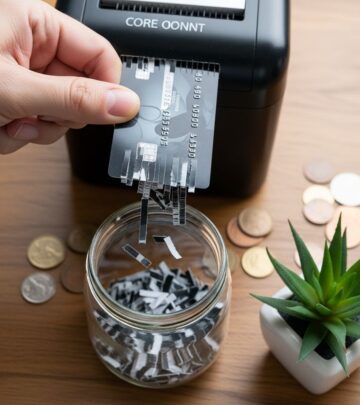
- Store credit cards in a hard-to-access place or consider freezing them, and remove saved card details from online accounts.
- Unsubscribe from marketing emails and text alerts from retailers.
- Unfollow or mute social media accounts that trigger FOMO or urge you to buy.
- Avoid “window shopping” in stores or apps during vulnerable times (tired, upset, bored).
4. Use a Waiting-Period Rule for Non-Essential Purchases
Introduce a personal rule such as a 24-hour or 7-day waiting period before buying non-essential items. During this time, ask:
- Do I truly need this, or is this an emotional purchase?
- Can I afford it without using debt or sacrificing bills and savings?
- Will I still want this in a week or a month?
Many urges will fade with time, reducing impulse purchases.
5. Find Healthier Ways to Cope With Emotions
Because shopping addiction often serves as an emotional coping tool, replacing it with healthier strategies is essential.
Alternatives include:
- Physical activity such as walking or home workouts
- Relaxation techniques like deep breathing or mindfulness meditation
- Talking with a trusted friend or joining a support group
- Engaging in hobbies that do not involve spending (reading, art, music, volunteering)
6. Address Underlying Mental Health Conditions
Shopping addiction frequently overlaps with depression, anxiety, and other mental health challenges. Seeking professional help can greatly improve recovery outcomes.
Consider:
- Consulting a licensed mental health professional (such as a psychologist or clinical social worker) experienced in behavioral addictions.
- Exploring cognitive-behavioral therapy (CBT), which has evidence for treating compulsive buying and related disorders.
- Asking your healthcare provider for a referral if you are unsure where to start.
7. Create a Debt and Savings Plan
Once new spending is under better control, develop a realistic plan to repair your finances:
- List all debts, interest rates, and minimum payments.
- Use a payoff strategy (like the debt snowball or avalanche) to focus on one balance at a time while paying at least the minimum on others.
- Set up automatic transfers to build a small emergency fund to reduce reliance on credit cards.
8. Get Accountability and Support
Change is easier when you are not doing it alone. Helpful options include:
- Sharing your goals with a trusted friend, partner, or family member.
- Joining a peer support group for people dealing with debt or compulsive spending.
- Working with a financial counselor or coach for practical budgeting and debt strategies.
Frequently Asked Questions (FAQs)
Q: Is shopping addiction a real condition or just a lack of willpower?
A: Shopping addiction is recognized in research as a form of compulsive buying, a behavioral addiction characterized by loss of control, craving, and continued behavior despite harm. While personal responsibility matters, this condition is not simply about weak willpower.
Q: How is shopping addiction different from normal overspending?
A: Most people occasionally overspend, especially during holidays or sales. With shopping addiction, urges to shop are persistent and hard to resist, spending leads to significant financial or emotional consequences, and attempts to cut back often fail.
Q: Can shopping addiction be cured?
A: Many people are able to significantly reduce compulsive buying and regain control over time. Evidence-based therapies, support, and practical financial strategies can help people manage urges and build healthier patterns, even if the vulnerability to overspend may remain.
Q: When should I seek professional help?
A: Consider seeking professional help if shopping is causing serious debt, relationship conflict, or emotional distress, or if you have tried to stop on your own and have been unable to do so. A mental health professional can assess for co-occurring issues like depression or anxiety and recommend appropriate treatment.
Q: What first step can I take today?
A: A practical first step is to track every purchase you make for the next two weeks and remove stored card information from your favorite shopping sites. This simple action increases awareness and adds friction to the buying process, making it easier to pause and choose differently.
References
- Compulsive buying disorder: A review and update — Müller A, Mitchell JE. 2011-04-30. https://doi.org/10.1007/s11469-011-9292-7
- Credit card debt and consumer financial stress — Federal Reserve Bank of New York. 2023-11-07. https://www.newyorkfed.org/microeconomics/hhdc
- The epidemiology and phenomenology of compulsive buying — Koran LM et al., American Journal of Psychiatry. 2006-04-01. https://doi.org/10.1176/ajp.2006.163.10.1806
- Using credit cards: Understanding the costs and benefits — Consumer Financial Protection Bureau. 2023-06-15. https://www.consumerfinance.gov/consumer-tools/credit-cards/
Similar Articles








Read full bio of Sneha Tete