Recessions And Mortgage Markets: What Homebuyers Need To Know
Explore how economic downturns influence mortgage rates, home values, and buying opportunities for informed decisions.
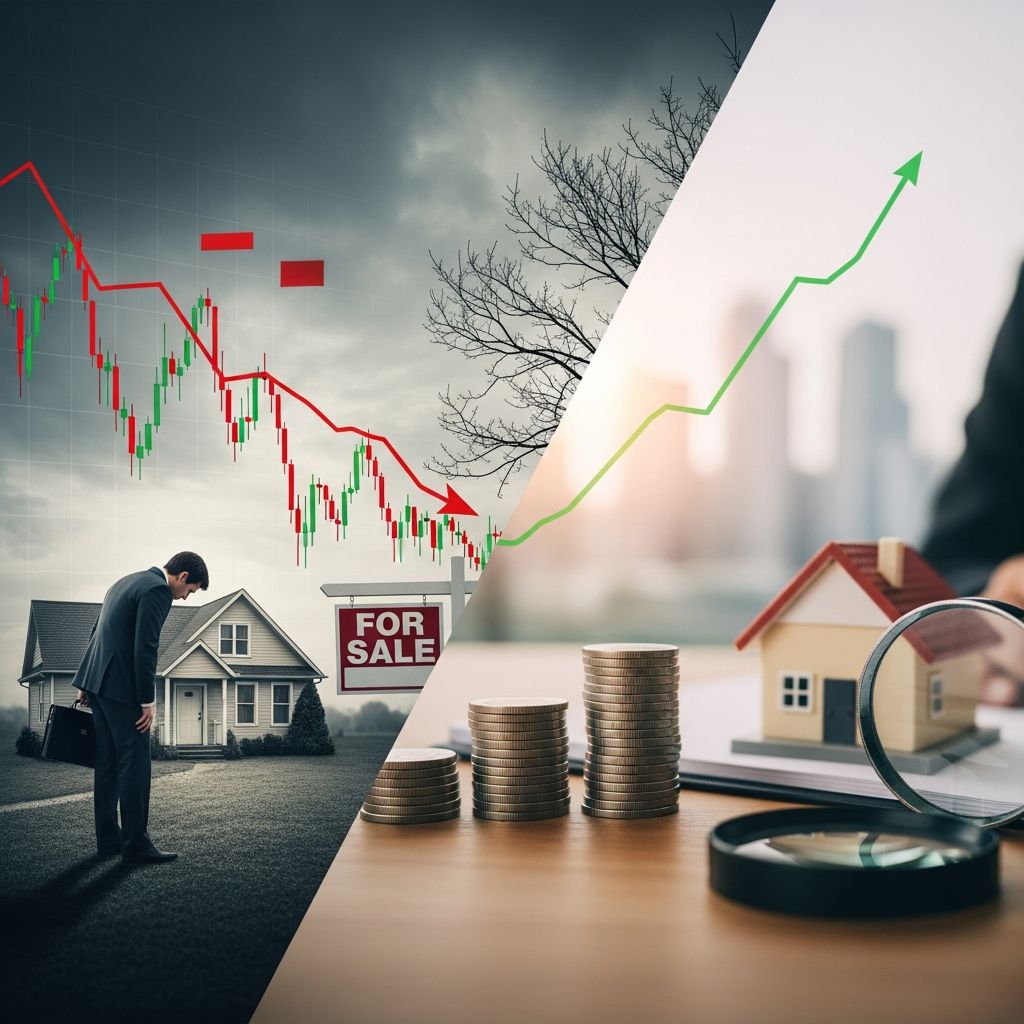
Economic recessions reshape the housing finance landscape by altering interest rates, property values, and lender behaviors. Understanding these dynamics helps prospective buyers and homeowners prepare for volatility.
Understanding Economic Recessions
A recession is defined as a significant decline in economic activity lasting several months, typically marked by falling GDP, rising unemployment, and reduced consumer spending. These periods trigger central bank interventions, such as Federal Reserve rate cuts, to stimulate recovery.
Historically, the Great Recession (2007-2009) exemplified severe impacts, with home prices dropping over 20% nationally from 2007 to 2011 due to subprime lending excesses and mortgage-backed securities failures. Such events highlight how housing markets amplify broader economic distress.
Mortgage Rate Fluctuations During Downturns
Mortgage rates often decline during recessions as the Federal Reserve lowers the federal funds rate to encourage borrowing and spending. For instance, in late 2008, rates for 30-year fixed mortgages fell from around 6.73% to the low 5% range amid aggressive Fed actions, including massive purchases of mortgage-backed securities.
This pattern repeated in the 2020 pandemic recession, where rates dropped from 3.72% in January to 2.65% by early 2021, supporting housing amid lockdowns. Fixed mortgage rates track the 10-year Treasury yield, which falls with reduced demand for credit during slowdowns.
| Recession Period | Pre-Recession Rate | Low During/After | Fed Action |
|---|---|---|---|
| 2007-2009 Great Recession | ~6.73% | Low 4%-mid 5% | Funds rate to 0-0.25%; MBS buys |
| 2020 Pandemic | 3.72% | 2.65% | Rate cuts; QE |
However, rates may not drop immediately, as markets anticipate recessions before official declarations. Post-recession, rates can remain low for years, aiding affordability.
Housing Prices in Recessionary Times
Home prices typically soften or decline when unemployment rises and buyer demand wanes. During the Great Recession, oversupply from foreclosures drove a 19.55% price drop in some periods. Yet, outcomes vary; the early 1990s recession saw prices stabilize with minor dips.
Shorter recessions may limit declines if inventory tightens, as sellers hold off listing amid uncertainty. Investor activity can also buoy prices in select markets.
Shifts in Lending Standards
Recessions prompt lenders to tighten criteria, prioritizing creditworthy borrowers to mitigate defaults. Post-2008, stricter underwriting emerged after subprime excesses eroded bank balance sheets. Scores once sufficient pre-downturn may fall short, demanding larger down payments or reserves.
This caution stems from heightened unemployment risks and past losses on mortgage securities, slowing lending even as rates fall.
Advantages of Purchasing Property in a Downturn
- Reduced Rates: Lower borrowing costs stretch budgets further, lowering monthly payments.
- Price Negotiations: Motivated sellers accept discounts amid slow sales.
- Fewer Rivals: Job fears sideline buyers, easing competition.
- Bargain Opportunities: Foreclosures and short sales offer steep deals, though often as-is.
These factors can make homeownership viable for stable-income buyers eyeing long-term holds.
Challenges and Pitfalls for Buyers
- Scarce Listings: Sellers delay amid low confidence, prolonging searches.
- Tougher Qualifications: Elevated standards exclude marginal applicants.
- Investor Competition: Cash buyers snap up distressed properties for rentals.
- Property Risks: Distressed sales lack warranties or repairs.
- Job Insecurity: Personal finances may suffer from layoffs or wage cuts.
Strategic Approaches for Recession Homebuying
Buyers should bolster finances pre-purchase: build emergency funds covering 6-12 months of expenses, improve credit scores above 700, and save 20% down payments to sidestep PMI.
Target stable sectors less prone to layoffs, like government or healthcare. Opt for fixed-rate mortgages to lock in low rates against future hikes. Consult advisors for personalized options.
Spotting Economic Recovery Signals
Rebounds show through rising mortgage rates, stabilizing sales, climbing prices, and growing residential investment. Steady job reports and consumer spending also signal normalization.
Positioning ahead of recovery—buying low before appreciation—maximizes gains, treating homes as investments aligned with long-term goals.
Historical Lessons from Major Downturns
The 2008 crisis underscored subprime risks, where lax standards fueled a bubble burst, slashing equity and sparking foreclosures. Contrastingly, the brief 2020 downturn preserved much stability via swift Fed support.
These cases illustrate policy responses’ role: quantitative easing sustains housing liquidity when traditional lending falters.
FAQs
Do mortgage rates always fall in recessions?
Historically yes, due to Fed cuts and lower Treasury yields, though timing varies.
Is buying a home during a recession wise?
For those with job security and strong finances, yes—offering deals and low rates. Assess personal risks.
How do recessions impact home prices?
Prices often dip from oversupply and weak demand, but inventory shortages can mute declines.
Will lenders loosen standards in downturns?
No, they tighten to curb defaults, requiring better credit and reserves.
What if unemployment affects me?
Prioritize liquidity; delay buying until stability returns.
References
- The Great Recession and Its Aftermath — Federal Reserve History. 2013-10-21. https://www.federalreservehistory.org/essays/great-recession-and-its-aftermath
- How a recession can affect mortgage rates — Rocket Mortgage. N/A. https://www.rocketmortgage.com/learn/recession-potential
- The Effects of Recessions on Mortgages — Chase. N/A. https://www.chase.com/personal/mortgage/education/financing-a-home/effects-of-recessions-on-mortgages
- Subprime mortgage crisis — Wikipedia (informational). 2024. https://en.wikipedia.org/wiki/Subprime_mortgage_crisis
- What Happens To Mortgage Rates In A Recession? — Bankrate. N/A. https://www.bankrate.com/mortgages/recession-mortgage-rates/
Similar Articles








Read full bio of Sneha Tete