Rebuilding Home Ownership After Bankruptcy
Navigate the path to homeownership after bankruptcy with expert strategies for credit recovery.
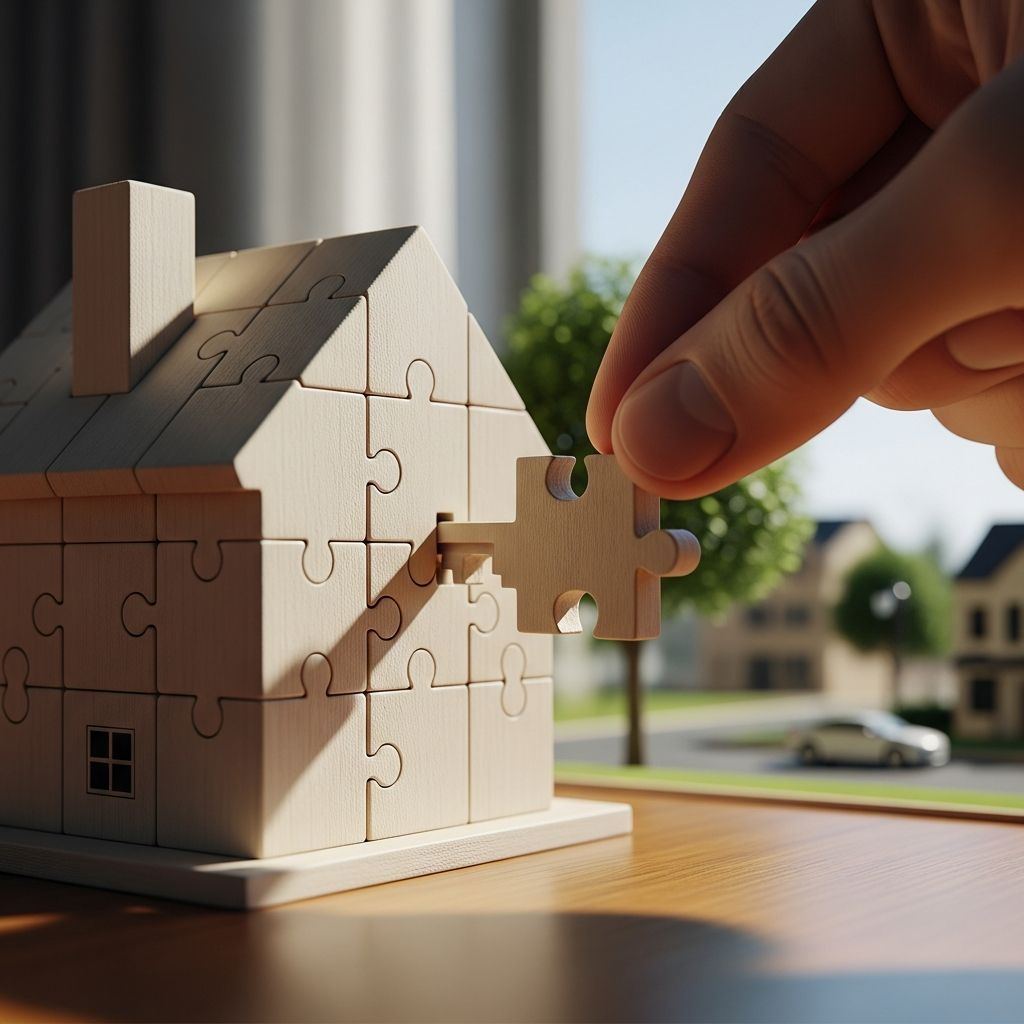
The Road from Bankruptcy Back to Home Ownership
The prospect of homeownership may seem impossible after filing for bankruptcy, but the reality is far more encouraging. Bankruptcy doesn’t permanently close the door to owning a home—it simply means you’ll need to take deliberate steps to rebuild your financial reputation and credit profile. With time, effort, and strategic financial planning, you can successfully navigate the path back to homeownership.
Understanding the Impact of Bankruptcy on Your Credit
When you file for bankruptcy, your credit score will take a significant hit. Most individuals experience a credit score decline of 130 to 200 points, with some experiencing drops of up to 300 points. This substantial decrease reflects the severity of your financial situation and serves as a signal to lenders about your past inability to manage debt effectively.
The type of bankruptcy you file will influence both the impact on your credit and your timeline to mortgage eligibility. Chapter 7 bankruptcy, often called liquidation bankruptcy, involves the sale of non-exempt assets to repay creditors. Chapter 13 bankruptcy, conversely, is a reorganization approach where you work with a court-approved plan to repay debts over three to five years. Understanding these differences is crucial because they affect not only your credit damage but also your ability to qualify for future mortgage loans.
Chapter 7 vs. Chapter 13: What Homebuyers Need to Know
The type of bankruptcy you file has profound implications for your path to homeownership. Each chapter offers different protections and timelines for credit recovery.
Chapter 7 Bankruptcy
Under Chapter 7 bankruptcy, your unsecured debts are discharged, meaning they’re essentially wiped away. However, the trade-off is that non-exempt assets may be liquidated to pay creditors. For homeowners, this creates a more challenging path to future mortgage approval.
Most lenders will not approve conventional mortgage loans within the first two years following a Chapter 7 filing. This waiting period is designed to give you time to demonstrate that you’ve reformed your financial habits and can be trusted with another major loan obligation. After two years, your eligibility gradually improves, but many lenders still view Chapter 7 filers with caution.
Chapter 13 Bankruptcy
Chapter 13 bankruptcy offers more favorable conditions for homebuyers. Instead of liquidating assets, you create a repayment plan with the court to manage your debts over a structured period, typically three to five years. This approach demonstrates your commitment to repaying what you owe rather than having debts wiped out.
Lenders view Chapter 13 filers more favorably because you’re actively working to repay debts rather than walking away from them entirely. Some lenders, particularly those offering Federal Housing Administration (FHA) loans, may approve you as early as one year after your Chapter 13 filing, provided you meet other lending criteria.
Timeline for Mortgage Approval After Bankruptcy
Your path to mortgage eligibility depends heavily on the bankruptcy chapter you’ve filed and the type of loan you’re seeking. Here’s what you can typically expect:
- Conventional Loans After Chapter 7: Generally require a minimum two-year waiting period from your bankruptcy discharge date. Some lenders may be willing to work with you sooner if you’ve demonstrated exceptional credit improvement, but this is rare.
- FHA Loans After Chapter 13: Some lenders may approve FHA loans as early as one year after filing, though this varies by lender and individual circumstances.
- FHA Loans After Chapter 7: Typically require a two-year waiting period, similar to conventional loans.
- VA and USDA Loans: Timelines vary, and you should consult with lenders who specialize in these loan types.
It’s important to note that these are general guidelines, and individual lenders have different policies. You’ll need to contact multiple lenders to discover which ones might be willing to work with you based on your specific circumstances.
Rebuilding Your Credit: The Essential First Step
Bankruptcy won’t keep you from owning a home forever—but rebuilding your credit is the real key to erasing the negative impact of a bankruptcy filing. This process requires dedication and discipline, but it’s absolutely achievable.
Pay Your Bills on Time, Every Time
The foundation of credit repair is establishing a track record of on-time payments. After bankruptcy, every single payment you make—whether it’s a utility bill, rent, or credit card payment—contributes to demonstrating that you’ve changed your financial behavior. Set up automatic payments if possible to eliminate the risk of missing a due date. Even one late payment can significantly damage the progress you’ve made.
Avoid Running Up Credit Card Debt
If you’re able to obtain secured or unsecured credit cards after bankruptcy, use them strategically. The goal isn’t to accumulate debt again but to demonstrate that you can responsibly manage credit. Keep your credit utilization low—ideally below 30% of your available credit limit. Pay off balances in full each month if possible, or at minimum, make payments greater than the minimum required.
Start Fresh with Positive Credit History
One silver lining of bankruptcy is that you get a clean slate. If you’re strategic, your credit score can actually improve post-bankruptcy because your high balances will have been wiped out and you’re starting fresh. This improvement won’t happen overnight, but over time, consistent positive financial behavior will gradually increase your credit score.
Other Factors Lenders Consider Beyond Credit Scores
While your credit score is critically important to mortgage lenders today, it’s not the only factor they evaluate. Here are additional elements that can strengthen your mortgage application after bankruptcy:
- Stable Employment: Demonstrating steady employment over the years following your bankruptcy shows financial stability and reliable income.
- Savings and Down Payment: The larger your down payment, the less risky you appear to lenders. Having accumulated savings also demonstrates financial responsibility.
- Debt-to-Income Ratio: After bankruptcy, your lower debt levels may actually improve your debt-to-income ratio, making you a more attractive borrower.
- Explanation Letter: Some lenders appreciate a brief explanation of what led to your bankruptcy and how your circumstances have changed. This humanizes your application.
Choosing the Right Loan Program
Not all mortgage programs treat bankruptcy equally. Understanding your options can help you find a lender willing to work with you sooner.
FHA Loans
Federal Housing Administration loans are often more accessible to borrowers with bankruptcy histories. If you filed Chapter 13, you may qualify as early as one year after your filing date. After Chapter 7, you’ll typically need to wait two years. FHA loans also require smaller down payments (typically 3.5% to 10%) compared to conventional loans, making homeownership more financially feasible.
Conventional Loans
Traditional mortgage lenders typically maintain stricter requirements, usually enforcing a two-year waiting period after Chapter 7 bankruptcy before considering your application. After this period, focus on maximizing your credit score and down payment to make your application more competitive.
VA and USDA Loans
If you’re eligible for Veterans Affairs or United States Department of Agriculture loans, these programs may have different bankruptcy considerations. Contact lenders who specialize in these loan types to understand their specific policies.
Building Your Down Payment Savings
Saving for a down payment is more challenging but more important than ever after bankruptcy. Demonstrating that you’ve accumulated savings shows lenders that you can discipline your spending and plan for the future. Here are strategies to build your down payment fund:
- Open a dedicated high-yield savings account separate from your regular checking account.
- Automate transfers from each paycheck to reduce temptation to spend the money.
- Track your progress visually to maintain motivation.
- Avoid taking on new debt that could reduce your savings capacity.
- Consider tax refunds and bonuses as opportunities to boost your down payment fund.
Avoiding Common Mistakes After Bankruptcy
As you work to rebuild your financial life, certain pitfalls can derail your progress toward homeownership:
- Taking on New Debt: Resist the temptation to take on new loans, large credit card purchases, or vehicle financing in the years following bankruptcy. Each new debt obligation complicates your mortgage approval.
- Changing Jobs Frequently: Lenders prefer to see stable employment. If possible, remain in your current position or at least demonstrate a consistent career trajectory.
- Co-Signing for Others: Agreeing to co-sign a loan makes you responsible for that debt if the primary borrower defaults. This unnecessary liability can hurt your mortgage prospects.
- Neglecting Credit Monitoring: Check your credit reports regularly for errors. You’re entitled to one free credit report per year from each of the three major bureaus. Dispute any inaccuracies that could damage your score.
- Making Large Purchases Right Before Applying: Lenders pull your credit right before finalizing your mortgage. A large purchase shortly before application can lower your credit score and hurt your chances of approval.
Working with a Mortgage Professional
The mortgage landscape is complex, especially when bankruptcy is involved. Consider working with a mortgage broker or loan officer who has experience with borrowers recovering from bankruptcy. They can:
- Identify lenders most likely to approve your application
- Help you time your application appropriately
- Guide you through required documentation
- Explain your options and help you choose the best loan program
- Answer questions specific to your bankruptcy situation
The Positive Side of Financial Fresh Start
While bankruptcy carries negative connotations, it can actually represent a positive turning point in your financial life. Many people who file for bankruptcy use the experience as a catalyst for better financial decision-making. The period following bankruptcy, while challenging, offers an opportunity to establish healthier financial habits that will serve you for decades.
Your future homeownership is achievable. By understanding the timeline for your specific bankruptcy chapter, committing to credit repair, building savings, and avoiding financial mistakes, you can successfully rebuild your financial profile and qualify for a mortgage.
Frequently Asked Questions (FAQs)
Q: How long does bankruptcy stay on my credit report?
A: Chapter 7 bankruptcy typically remains on your credit report for 10 years from the filing date, while Chapter 13 bankruptcy stays for 7 years. However, your ability to obtain mortgage approval improves significantly before the bankruptcy falls off your report entirely.
Q: Can I keep my home if I file for bankruptcy?
A: Whether you keep your home depends on the bankruptcy chapter and your home equity. Chapter 13 bankruptcy is often more favorable for keeping your home, as it allows you to catch up on missed mortgage payments over the repayment plan. Chapter 7 bankruptcy is riskier if your home equity exceeds your state’s exemption limits.
Q: What credit score do I need to qualify for an FHA loan after bankruptcy?
A: While credit score requirements vary by lender, many FHA lenders accept borrowers with credit scores as low as 580-620 after bankruptcy. However, a higher score will result in better interest rates and terms.
Q: Should I work with a co-borrower to improve my mortgage application?
A: If you have a spouse or partner with strong credit, adding them as a co-borrower can improve your application. However, ensure they’re comfortable sharing responsibility for the mortgage debt.
Q: How much do I need for a down payment after bankruptcy?
A: FHA loans typically require 3.5% to 10% down, while conventional loans may require 5% to 20%. Saving a larger down payment makes you a more attractive borrower and may help offset the bankruptcy on your record.
Q: Can I refinance my mortgage after bankruptcy?
A: Yes, but you’ll typically need to wait a few years. Most lenders require at least one to three years of good payment history post-bankruptcy before considering a refinance.
References
- Will I Lose My House if I File for Bankruptcy? — Money Management Institute. 2024. https://www.moneymanagement.org/blog/lose-house-in-bankruptcy
- The Homeownership Experience of Households in Bankruptcy — U.S. Department of Housing and Urban Development. 2011. https://www.huduser.gov/portal/periodicals/cityscpe/vol13num1/Cityscape_March2011_ref_home_ownership.pdf
- The Road from Bankruptcy Back to Home Ownership — SmartAsset. 2024. https://smartasset.com/personal-finance/the-road-from-bankruptcy-back-to-home-ownership
Similar Articles








Read full bio of Sneha Tete