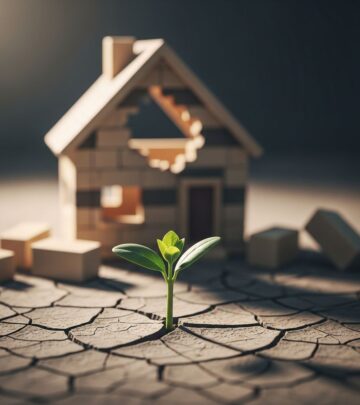
Rebuilding Credit After Bankruptcy: 7 Steps To Recover
Discover proven steps to rebuild your credit score after bankruptcy discharge and regain financial stability.

Filing for bankruptcy provides a fresh financial start by discharging overwhelming debts, but it significantly impacts your credit score, remaining on your reports for 7-10 years depending on the chapter. The good news is that rebuilding is entirely possible with disciplined habits, and many people see substantial improvements within the first 1-2 years post-discharge. Credit scores emphasize recent activity, so consistent positive behaviors like on-time payments can outweigh the bankruptcy over time.
This comprehensive guide covers every step to restore your credit health, drawing from official credit bureau advice and financial experts. Whether you’re post-Chapter 7 or Chapter 13, these strategies apply universally.
Understand How Bankruptcy Affects Your Credit
Bankruptcy appears as a public record on your Equifax, Experian, and TransUnion reports. Chapter 7 stays for 10 years from filing date, while Chapter 13 lasts 7 years. It drops scores by 100-200 points initially, but the impact diminishes as newer positive accounts age. Payment history (35% of FICO score), amounts owed (30%), and credit age/history (15%) become key levers for recovery.
- Chapter 7: Liquidates non-exempt assets to discharge unsecured debts like credit cards; ideal for those with low income/assets.
- Chapter 13: Repayment plan over 3-5 years; better for those with steady income wanting to keep assets like homes.
Post-discharge, focus shifts to building new positive history. Lenders view recent on-time payments more favorably than past negatives.
Step 1: Review and Correct Your Credit Reports
The immediate priority after discharge is obtaining free credit reports from AnnualCreditReport.com (one per bureau annually, or staggered every 4 months for ongoing monitoring). Verify all discharged debts show $0 balances and ‘included in bankruptcy’ status. Errors like open accounts or incorrect balances drag scores down unnecessarily.
If discrepancies appear, dispute online, by mail, or phone with Equifax, Experian, TransUnion. Provide discharge order proof; resolutions take 30 days. Contact your bankruptcy attorney if creditors fail to update. Free tools like Equifax Core Credit offer monthly monitoring.
| Bureau | Free Report Frequency | Dispute Method |
|---|---|---|
| Equifax | Weekly via AnnualCreditReport.com | Online/equifax.com |
| Experian | Weekly | Online/experian.com |
| TransUnion | Weekly | Online/transunion.com |
Accurate reports are foundational; unresolved errors can delay recovery by months.
Step 2: Create a Realistic Budget and Emergency Fund
Avoid repeating past mistakes by building a strict budget covering essentials, debt payments, and savings. Track income/expenses using apps like Mint or spreadsheets. Aim for 3-6 months’ expenses in an emergency fund to prevent future reliance on credit.
- Prioritize needs: housing, food, utilities, transport.
- Cut non-essentials: dining out, subscriptions.
- Allocate 20% income to savings/debt reduction.
Nonprofit credit counseling via NFCC.org provides free budgeting help without scams. Responsible management rebuilds lender trust.
Step 3: Prioritize On-Time Payments
Payment history is 35% of FICO scores—your biggest rebuild tool. Post-bankruptcy, non-dischargeable debts like child support, alimony, or mortgages must be paid promptly. Set autopay/reminders for all bills (utilities, rent, phone), as even one late payment drops scores 100+ points.
Recent 24 months weigh heaviest, so perfect payments here accelerate recovery dramatically. Utilities and telecoms increasingly report positives to bureaus, boosting scores without new debt.
Step 4: Use Secured Credit Cards and Credit-Builder Loans
Once stable (3-6 months post-discharge), open secured cards requiring deposits ($200-$500) as your limit. Use <30% utilization (e.g., $50 charge on $200 limit), pay in full monthly. Issuers like Discover, Capital One report to bureaus, building history.
Credit-builder loans (e.g., Self, Credit Strong) hold payments in savings until term ends; perfect for payment history without temptation to spend. Expect score jumps of 50-100 points in 6-12 months.
- Pros: Low risk, reports positives quickly.
- Cons: Fees/deposits; upgrade to unsecured after 7-12 months good use.
Step 5: Add Diverse Credit Mix Gradually
After 6-12 months of positives, apply for unsecured cards or small loans from subprime lenders (e.g., Avant, Upstart) willing to work with bankruptcy filers. Keep inquiries low (hard pulls cost 5-10 points each). Mix of revolving (cards) and installment (loans) optimizes scores.
Avoid high-interest payday loans; they harm more than help.
Step 6: Keep Credit Utilization Low
Utilization <30% (ideally <10%) impacts 30% of scores. Pay balances before statements close, even if autopay covers minimums. Multiple cards? Total utilization across all matters.
Step 7: Consider Credit Counseling, Avoid Scams
Reputable agencies (NFCC-affiliated) offer debt management plans, budgeting. Skip ‘repair’ companies promising bankruptcy removal—illegal and ineffective. Only time/behavior improves scores lawfully.
Professionals check reports, dispute errors, advise products.
Timeline for Credit Recovery
| Time Post-Discharge | Expected Score Improvement | Key Milestones |
|---|---|---|
| 0-6 Months | +20-50 points | Errors fixed, first secured card payments. |
| 6-12 Months | +50-100 points | Consistent history; possible unsecured upgrade. |
| 1-2 Years | +100-200 points | Prime cards/loans accessible; scores 650+. |
| 2+ Years | Full recovery | Bankruptcy fades; near pre-filing scores possible. |
First 24 months yield fastest gains. Scores start low 500s, reach 700+ with discipline.
Frequently Asked Questions (FAQs)
Can you rebuild credit after Chapter 7 bankruptcy?
Yes, with patience and discipline. Bankruptcy lasts 10 years, but positives from on-time payments outweigh it over time.
How long does it take to rebuild credit after bankruptcy?
Significant improvement in 1-2 years; full recovery 7-10 years. Focus on recent history.
Are secured credit cards good for rebuilding?
Excellent starter tool; deposit secures limit, builds history safely.
Should you close old accounts post-bankruptcy?
No—keeps utilization low, ages history positively.
Do utilities affect credit scores after bankruptcy?
Yes, many report now; on-time payments help without new debt.
References
- Rebuilding Credit After Bankruptcy — American Bankruptcy Institute (ABI). 2023. https://www.abi.org/feed-item/rebuilding-credit-after-bankruptcy-0
- Credit Rebuilding Strategies After Chapter 7 Bankruptcy — San Diego Bankruptcy. 2024. https://www.sandiegobk.com/how-rebuild-credit-score-chapter-7-bankruptcy/
- How to Rebuild Your Credit After Bankruptcy: A Step-by-Step Guide — Bankruptcy Truth. 2024. https://bankruptcytruth.com/blog/how-to-rebuild-your-credit-after-bankruptcy-a-step-by-step-guide/
- How to Rebuild Credit After Chapter 7 Bankruptcy — Hurst Law Firm. 2024. https://hurstlawfirm.com/how-to-rebuild-credit-after-chapter-7-bankruptcy/
- Rebuilding Credit After Bankruptcy: A Centennial Guide — Wagner Law Office. 2025-07-01. https://www.wagnerlawofficepc.com/blog/2025/july/rebuilding-credit-post-bankruptcy-a-centennial-g2/
- How to Repair Credit History After Bankruptcy — Equifax. 2025. https://www.equifax.com/personal/education/personal-finance/articles/-/learn/rebuilding-credit-after-bankruptcy/
- How to rebuild credit after bankruptcy — Bankrate. 2025. https://www.bankrate.com/personal-finance/credit/bankruptcy-timeline-rebuilding-credit/
- How to rebuild your credit — Consumer Financial Protection Bureau (CFPB). 2023. https://files.consumerfinance.gov/f/documents/cfpb_how-to-rebuild-your-credit.pdf
Similar Articles








Read full bio of medha deb