Rebuilding After Bankruptcy: Step-By-Step Guide
Practical steps to restore your financial health and credit score following a bankruptcy filing, with strategies for long-term stability.

Bankruptcy provides a fresh start by discharging overwhelming debts, but the journey to financial stability requires deliberate actions. This guide outlines essential steps to monitor your credit, manage finances wisely, and gradually restore your creditworthiness for a secure future.
Understanding the Bankruptcy Discharge Process
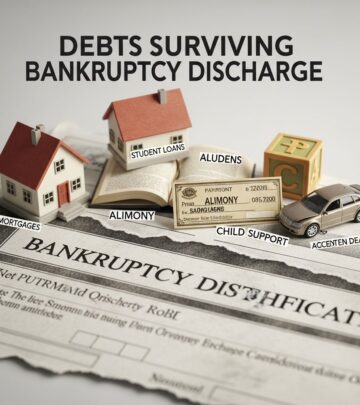
The discharge order from the court legally eliminates your responsibility for most unsecured debts, such as credit cards and medical bills, typically occurring 60 to 90 days after the creditors’ meeting in Chapter 7 cases. In Chapter 13, discharge follows plan completion, often after three to five years. Non-dischargeable debts like student loans, child support, and recent taxes persist, so identify these early to plan accordingly.
Post-discharge, creditors must cease collection efforts. Review the discharge notice carefully to confirm included debts. This milestone marks the transition from debt relief to proactive rebuilding.
Assessing Your Current Financial Position
Start recovery by obtaining free credit reports from AnnualCreditReport.com, available weekly from Experian, Equifax, and TransUnion. For Chapter 7, wait until discharge notification, then 90-120 days for updates to reflect. Chapter 13 filers check after plan completion and 120 days post-discharge to verify zero balances on settled accounts.
Scrutinize reports for inaccuracies, such as lingering debts or incorrect statuses. Dispute errors promptly via each bureau’s process. Accurate reports form the foundation for targeted improvements.
Key Items to Verify on Credit Reports
- Bankruptcy filing date and status (should show as discharged).
- Excluded accounts with current payment history.
- Zero balances on discharged debts.
- Absence of collections for discharged obligations.
Establishing a Solid Budget Foundation
A realistic budget prevents recurrence of debt issues. Track income against expenses using apps or spreadsheets to categorize needs versus wants. Allocate funds for essentials first: housing, utilities, food, transportation, and minimum debt payments.
Aim to build an emergency fund covering 3-6 months of expenses. Cut discretionary spending, like dining out or subscriptions, to free up cash. Certified credit counseling can provide personalized tools for sustainable planning.
| Budget Category | Recommended Allocation | Tips |
|---|---|---|
| Essentials (50%) | 50% of income | Prioritize rent, groceries, bills. |
| Wants (30%) | 30% of income | Limit entertainment, hobbies. |
| Savings/Debt (20%) | 20% of income | Build reserves, pay extras. |
Strategies for Responsible Credit Rebuilding
Rebuilding takes time—Chapter 7 stays on reports for 10 years, Chapter 13 for 7—but positive habits accelerate improvement. Focus on on-time payments, low utilization, and credit mix.
Secured Credit Cards: A Safe Entry Point
Secured cards require a deposit matching your limit, often $200-$1,000, reducing lender risk. Use for small purchases, pay in full monthly. Many report as regular cards, aiding scores without “secured” notation. Graduation to unsecured cards possible after 6-12 months of good use.
Credit-Builder Loans for Steady Progress
These loans hold borrowed funds (up to $1,000) in savings while you make fixed payments over 6-24 months. Funds release upon completion, with interest often retained. Available at credit unions, they build payment history effectively.
Other Credit-Building Tools
- Retail Cards: Store cards with low limits for occasional use.
- Authorized User: Added to a trusted person’s card with good history.
- Utility/Rent Reporting: Services that report on-time payments.
Maintain utilization under 30% and pay on time—35% of FICO score from payment history.
Navigating Major Financial Milestones
Post-bankruptcy, secure employment stability first, as steady income supports rebuilding. Avoid overdrafts by maintaining positive bank balances.
Securing Housing and Transportation
Renters may face scrutiny; provide discharge proof and recent positive references. FHA loans available after 2 years for Chapter 7, 1 year for Chapter 13. Car loans possible soon after discharge if essential, often via credit unions.
Long-Term Goals: Mortgages and Investments
Conventional mortgages require 4 years post-Chapter 7. Start saving for down payments and explore VA/FHA options. Gradually introduce investments once emergency funds are solid.
Common Pitfalls to Avoid
Steer clear of credit repair scams promising instant fixes—none exist. Pay cash where possible initially to build discipline. Don’t max new credit lines; low balances signal responsibility.
Monitor for identity theft, as bankruptcy flags vulnerability. Freeze credit if needed.
Financial Education and Professional Support
Complete post-filing debtor education for skills in money management. Consult non-profit counselors, not for-profits charging high fees. Track progress quarterly via free reports.
Timeline for Credit Score Recovery
| Time Post-Discharge | Expected Actions | Potential Score Range |
|---|---|---|
| 0-6 Months | Monitor reports, start secured card | 500-600 |
| 6-12 Months | Add credit-builder loan, on-time pays | 600-650 |
| 1-2 Years | Diversify credit, low utilization | 650-700+ |
Frequently Asked Questions (FAQs)
How long does bankruptcy stay on my credit report?
Chapter 7 for 10 years from filing; Chapter 13 for 7 years.
Can I get a credit card right after discharge?
Yes, secured options from many issuers.
What debts survive bankruptcy?
Student loans, alimony, recent taxes.
Is renting harder after bankruptcy?
Temporarily, but positive references help.
How soon can I buy a home?
FHA: 2 years post-Chapter 7.
References
- Discharge in Bankruptcy – Bankruptcy Basics — United States Courts. 2023. https://www.uscourts.gov/court-programs/bankruptcy/bankruptcy-basics/discharge-bankruptcy-bankruptcy-basics
- How to Recover from Bankruptcy — Experian. 2024. https://www.experian.com/blogs/ask-experian/how-to-recover-from-bankruptcy/
- What Happens After You File for Bankruptcy? A Step-by-Step Guide — Chris Carouthers Law. 2023. https://www.chriscarouthers.com/what-happens-after-you-file-for-bankruptcy-a-step-by-step-guide
- The Road to Recovery: Legal Steps to Take After Filing for Bankruptcy — Tom Bible Law. 2023-11-01. https://www.tombiblelaw.com/blog/2023/november/the-road-to-recovery-legal-steps-to-take-after-f/
- Life After Bankruptcy | How to Recover — Field Law Office. 2024. https://www.fieldlawoffice.com/bankruptcy/life-after-bankruptcy/
Similar Articles








Read full bio of Sneha Tete