Rebuild Your Financial Reputation: Payment History Guide
Master the strategies to strengthen your payment record and boost credit scores

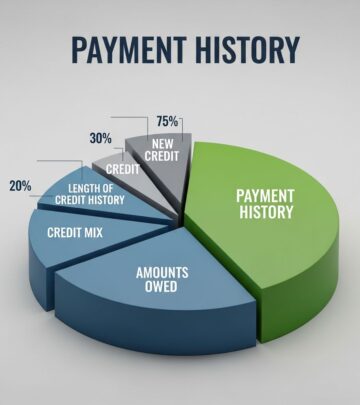
Your payment history stands as one of the most influential factors affecting your credit score, often accounting for a substantial portion of how lenders evaluate your creditworthiness. Whether you’re recovering from past financial difficulties or simply want to strengthen your financial profile, understanding how to systematically improve your payment record is essential. This guide provides practical, evidence-based strategies to help you take control of your payment obligations and build a stronger financial future.
Understanding the Foundation: Why Payment History Matters
Payment history represents your track record of meeting financial obligations on schedule. Credit bureaus track every payment you make—on time, late, or missed—and this information becomes a critical component of your credit reports. When lenders review your creditworthiness, they examine this history to determine the likelihood that you’ll repay borrowed funds reliably.
The impact of payment history on your credit score extends beyond a simple yes or no. Recent late payments typically damage your score more severely than older delinquencies. This means that even if you’ve had payment problems in the past, your current and future behavior can gradually offset that negative history, provided you maintain consistent on-time payments.
Establishing a Sustainable Payment System
Creating a reliable payment infrastructure represents the first critical step toward improving your payment history. Rather than relying on memory or hoping to remember due dates, implementing systematic approaches ensures you never accidentally miss a payment deadline.
Calendar-Based Planning and Organization
Begin by identifying when each of your bills comes due throughout the month. Using a physical calendar or digital scheduling tool, mark these dates clearly. Many people find it helpful to mark payment dates a day or two before the actual due date, providing a buffer to account for processing times. If you use a smartphone, create calendar alerts that notify you several days before each payment is due. This approach transforms payment management from a reactive task into a planned, proactive routine.
Aligning Payments with Your Income Schedule
If your bills cluster into specific weeks or days, creating cash flow strain on your paycheck, contact your creditors directly. Many lenders have flexibility in setting due dates and will accommodate requests to spread payments more evenly throughout the month. This simple conversation can significantly reduce financial stress and eliminate the temptation to delay payments due to temporary cash shortages.
Automating Recurring Obligations
For bills that remain consistent month to month, automated payment systems eliminate the possibility of unintentional delinquency. Setting up automatic payments through your bank or directly with creditors ensures that payments process on schedule without requiring your active participation each month. However, automation requires discipline: you must maintain sufficient funds in the designated account and periodically review payment amounts to ensure they remain accurate as your obligations change.
Budgeting as a Payment History Foundation
A comprehensive budget serves as the backbone of consistent payment performance. By understanding exactly what funds flow into and out of your accounts each month, you can allocate resources strategically to ensure all obligations receive timely payment.
When your monthly expenses remain relatively stable, budgeting becomes more straightforward. You can estimate total obligations with reasonable accuracy and ensure adequate funds remain available for each payment. Some utility companies offer budget billing options, where they charge a fixed monthly amount and reconcile actual usage annually. This predictability simplifies financial planning and reduces the risk of insufficient funds for bill payments.
Strategies for Managing Existing Late Payments
If your credit history already includes late payments or missed obligations, several approaches can help minimize ongoing damage and potentially remove inaccurate reporting.
Identifying and Disputing Inaccurate Information
Begin by obtaining copies of your credit reports from all three major bureaus—Equifax, Experian, and TransUnion. You’re entitled to one free report annually from each bureau. Carefully review each report, comparing the payment information with your personal records. If a late payment appears that you believe was actually paid on time, gather documentation—bank statements, payment confirmations, or cancelled checks—that supports your position.
If you discover inaccurate late payment reporting, contact your creditor first with your supporting documentation. Creditors have an obligation to report information accurately and may correct errors directly with the credit bureaus. If the creditor refuses to assist, file a dispute directly with the credit bureaus. While this process takes time, removing inaccurate late payments can provide meaningful score improvements.
The Goodwill Letter Approach
For accurate late payments—those that legitimately occurred—consider sending a goodwill letter to your creditor. This brief, factual letter explains the circumstances surrounding the late payment, acknowledges your otherwise positive payment history, and requests that the creditor remove the late payment notation as a courtesy. While creditors aren’t obligated to comply, many appreciate long-standing customers who have maintained good standing following a problematic period and may agree to help.
Moving Forward from Collections Accounts
If accounts have been sent to collections, understand that collections entries typically remain on your credit report for seven years plus 180 days from the original delinquency date. While some debt collectors advertise removing entries in exchange for payment (pay-for-delete agreements), credit bureaus may decline to honor such arrangements. Your priority should be disputing any inaccuracies rather than pursuing pay-for-delete options.
Mastering Credit Utilization Through Strategic Payments
Beyond simply making on-time payments, how much of your available credit you use—your credit utilization ratio—also impacts your credit score. Making multiple payments throughout the month, rather than waiting for the statement due date, can help maintain a lower utilization ratio. You don’t need to wait for the official payment deadline; credit card issuers typically allow payments at any time. If you’re approaching your credit limit, making an additional payment reduces the reported balance and can boost your score more quickly than waiting until the statement closing date.
Building Positive Payment Momentum
As you implement these strategies, focus on maintaining perfect payment performance moving forward. The longer you pay all bills on time, the greater the positive impact on your credit history. While older negative information affects scores less severely than recent problems, consistent on-time payment performance gradually outweighs past difficulties.
Make the minimum payment on credit accounts regularly if full payoff isn’t immediately possible. Even minimum payments on time keep accounts current and in good standing, contributing positively to your payment history. As your financial situation improves, you can increase payment amounts, but maintaining minimum on-time payments preserves your score trajectory.
Monitoring Progress and Staying Accountable
Periodically check your credit reports to verify that payment information is being reported accurately and to track your progress. When you see that late payments age and become less prominent, or that your payment history percentage improves, this reinforces the positive behavior changes you’ve implemented.
Set specific, measurable goals for your credit improvement. Rather than vague aspirations to “pay better,” commit to specific objectives like “make 12 consecutive on-time payments” or “reduce credit utilization to below 30 percent.” These concrete targets maintain motivation and provide tangible evidence of progress.
Preventing Future Payment Problems
Once you’ve successfully improved your payment history, protecting that progress requires ongoing attention. Continue using your automation systems, maintain your budget, and set calendar reminders for any accounts that aren’t automated. If you anticipate difficulty making a payment, contact your creditor proactively before the due date rather than waiting for the payment to become late. Many creditors offer one-time courtesy adjustments or deferment options for customers who communicate transparently.
Common Questions About Payment History Improvement
How quickly will my credit score improve after I start making on-time payments?
Credit score improvements don’t occur instantly, but you should see gradual movement within several months of establishing a pattern of on-time payments. Most models show more noticeable improvement after 6-12 months of consistent payment performance.
Will adding new credit accounts improve my payment history?
Adding new accounts creates new payment history opportunities, but won’t directly improve your existing payment history percentage. Each new account with on-time payments does contribute positively to your overall credit profile, but shouldn’t be pursued solely to improve payment history metrics.
Can I negotiate with creditors to remove accurate late payments?
While creditors must report information accurately, some may agree to goodwill adjustments, particularly if you’ve since established consistent on-time payment performance. Results vary by creditor, but respectful communication is always worth attempting.
How long do late payments affect my credit score?
Late payments can impact your score for seven years, but their influence diminishes significantly over time, particularly as you establish more recent positive payment history. Recent payment behavior weighs more heavily than older delinquencies in credit scoring models.
Building Your Path Forward
Improving your payment history requires commitment, organization, and sometimes patience, but the benefits extend far beyond a higher credit score. Better credit access typically means lower interest rates on loans and credit cards, saving you thousands of dollars over time. More importantly, establishing reliable payment habits creates financial stability and reduces stress associated with debt management.
Start by implementing one or two strategies from this guide—perhaps setting up calendar alerts and one automated payment. As these habits solidify, expand your system to encompass all obligations. Over time, on-time payment becomes automatic rather than something requiring conscious effort. This transformation in your financial behavior represents the true power of improving your payment history: it’s not just about satisfying creditors, but about building a sustainable, confident relationship with your own finances.
References
- How to Improve Your Payment History to Get a Better Credit Score — Central Bank. 2024. https://www.centralbank.net/learning-center/how-to-improve-your-payment-history-to-get-a-better-credit-score/
- Payment History and How It Impacts Credit — Capital One. 2024. https://www.capitalone.com/learn-grow/money-management/payment-history/
- Credit Score Savvy: Improving Your Payment History — Savvy Money Education. 2024. https://education.savvymoney.com/credit/credit-score-savvy-improving-your-payment-history/
- How To Remove Late Payments From Your Credit Report — Credit Karma. 2024. https://www.creditkarma.com/credit/i/how-to-remove-late-payments
- Will Paying Off My Credit Card Balance Every Month Improve My Score — Consumer Finance Protection Bureau. 2024. https://www.consumerfinance.gov/ask-cfpb/will-paying-off-my-credit-card-balance-every-month-improve-my-score-en-1293/
Similar Articles








Read full bio of Sneha Tete