Rebound from Holiday Overspending
Practical strategies to assess debt, cut costs, rebuild savings, and prevent future holiday financial pitfalls for lasting stability.

The holiday season often brings joy but also financial strain, with many people facing elevated debt and depleted savings afterward. In 2025, consumer caution was evident as 42% planned to cut back on spending, reflecting broader economic worries like inflation and job market softness. This guide offers a fresh roadmap to regain control, drawing on reliable strategies to assess your situation, lower costs, and prepare for future seasons.
Assess Your Financial Landscape Post-Holidays
Begin recovery by gaining a clear view of your finances. Examine bank statements, credit card balances, and savings accounts to identify where holiday funds originated—whether from credit, savings withdrawals, or unexpected sources.
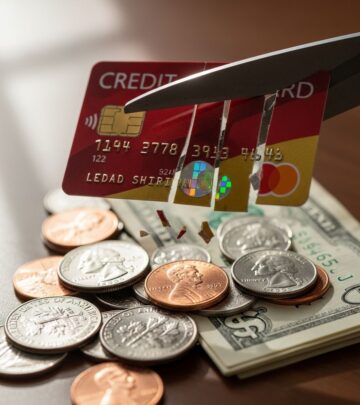
- Check credit card debts first, prioritizing high-interest ones to curb accruing fees.
- Review savings dips and calculate the gap to your emergency fund target, ideally 3-6 months of expenses.
- Track all recent transactions to spot patterns in overspending, such as impulse buys on electronics or gifts.
This evaluation sets the foundation. For instance, if credit debt dominates, allocate extra payments there before restoring savings, minimizing long-term costs.
Strategies to Trim Daily Expenses
Redirecting money from non-essentials accelerates debt payoff and savings growth. January provides an ideal reset moment, akin to wellness check-ins.
| Expense Category | Action Steps | Potential Monthly Savings |
|---|---|---|
| Utilities | Negotiate bundles or switch providers for better rates | $20-50 |
| Subscriptions | Audit and cancel unused streaming or gym services; use libraries | $30-100 |
| Transportation | Opt for public transit over rideshares; carpool | $50-150 |
| Clutter Clearance | Sell unused clothes, gadgets via online marketplaces | $100+ |
Implement a no-spend challenge for essentials only, channeling savings to high-priority debts. Small wins compound: cutting $200 monthly from expenses could eliminate $2,400 in debt annually.
Build a Sustainable Post-Holiday Budget
A realistic budget aligns income with priorities without feeling restrictive. Start by listing fixed costs like rent and groceries, then allocate for debt, savings, and fun.
- Calculate net income minus essentials to find discretionary funds.
- Assign 50% to needs, 30% to wants, 20% to savings/debt (adapted 50/30/20 rule).
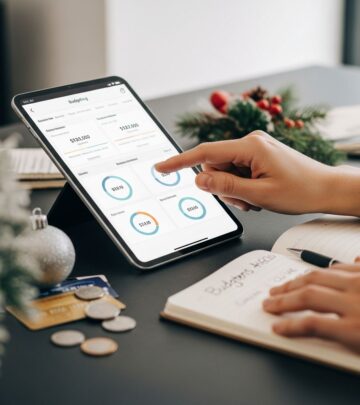
- Use digital tools for tracking, setting alerts for overspending.
Post-holiday, temporarily reduce wants by 20-30% to free cash flow. Review bi-weekly to adjust for surprises like utility hikes.
Prioritize and Eliminate Holiday Debt
Debt from holidays, often on high-APR cards, demands swift action. Average online holiday spend hit record highs in 2025 at $257.8 billion, fueled by deals on big-ticket items.
- Debt Snowball: Pay minimums on all, extra on smallest balance for momentum.
- Debt Avalanche: Target highest interest first for efficiency.
- Explore consolidation via personal loans or balance transfers if rates qualify.
Homeowners might consider HELOCs for lower rates, but weigh risks carefully. Aim for consistent payments: even $50 extra monthly shaves years off repayment.
Rebuild Your Safety Net
Once debt stabilizes, focus on emergency savings. Experts recommend starting small—$30-100 monthly—to build habits.
Automate transfers to high-yield accounts post-paycheck. Target $1,000 initially, then scale to 3-6 months’ expenses. This buffer prevents future borrowing cycles.
Prepare for Smarter Holiday Spending in 2026
Avoid repeats by planning now. With forecasts of restrained spending in 2026 due to economic bifurcation—affluent vs. budget-conscious shoppers—proactive steps matter.
- Set a strict holiday budget, dividing total by 12 months into a dedicated fund.
- Create gift lists early; shop sales year-round for cashback.
- Shift to experiences or group exchanges to cut costs.
- Limit social media exposure to dodge impulse triggers.
Track seasonally: weekly check-ins prevent overruns. A holiday club account automates saving, ensuring funds are ready without credit reliance.
Long-Term Habits for Financial Wellness
Beyond immediate recovery, cultivate discipline. Patience and consistency yield results, per financial advisors. Monitor credit health via free reports, as strong scores unlock better rates.
Address broader trends: rising grocery (30% up pre-pandemic), rent, and healthcare costs demand vigilance. Diversify goals—retirement, healthcare buffers—amid 2026 uncertainties like debt payoff challenges (39% concerned).
Frequently Asked Questions
How long does holiday debt recovery take?
Typically 6-12 months with disciplined payments, depending on balances and income. Consistent $200 monthly extras speed it up.
Should I use savings to pay credit card debt?
Only if emergency fund covers 3 months; otherwise, prioritize high-interest debt while maintaining minimum savings inflows.
What’s the best way to save for next holidays?
Open a dedicated high-yield account; auto-transfer 1/12th of estimated spend monthly starting now.
Are balance transfer cards worth it?
Yes, if 0% APR promo exceeds 12 months and you pay off before it ends, saving hundreds in interest.
How can I avoid impulse buys?
Wait 24-48 hours before purchase; use cash envelopes for categories to enforce limits.
Overcoming Common Recovery Challenges
Motivation wanes, but milestones like “debt-free month” sustain drive. Partner with accountability buddies or apps for nudges. Economic anxiety, with 43% eyeing healthcare costs, underscores resilience building.
In 2025, deal-hunting drove records despite caution, signaling savvy habits work. Apply them year-round for compounding benefits.
References
- 5 steps to recover from holiday overspending (and prevent it next year) — Ally. 2025. https://www.ally.com/stories/spend/recover-from-holiday-overspending/
- The Holiday Hangover is Real — Here’s How to Bounce Back in 2026 — APCU. 2025. https://blog.apcu.com/the-holiday-hangover-is-real-heres-how-to-bounce-back-in-2026
- 5 Trends From Holiday Spending That Will Shape Retail in 2026 — U.S. Chamber of Commerce. 2025. https://www.uschamber.com/co/good-company/launch-pad/black-friday-marketing-trends
- 2 in 5 Americans Plan to Scale Back Holiday Spending—Some Skip Gifts Altogether — Nationwide. 2025. https://news.nationwide.com/2-in-5-americans-plan-to-scale-back-holiday-spending-some-skip-gifts-altogether/
- Holiday shoppers spent a record amount online, searching out deals amid economic anxiety — Los Angeles Times. 2026-01-07. https://www.latimes.com/business/story/2026-01-07/holiday-shoppers-spent-record-amount-online-searching-out-deals-amid-economic-anxiety
- Expert gives tips on reaching financial goals after holiday spending — KJZZ. 2025. https://kjzz.com/news/local/expert-gives-tips-on-how-to-reach-financial-goals-after-holiday-spending
Similar Articles








Read full bio of Sneha Tete